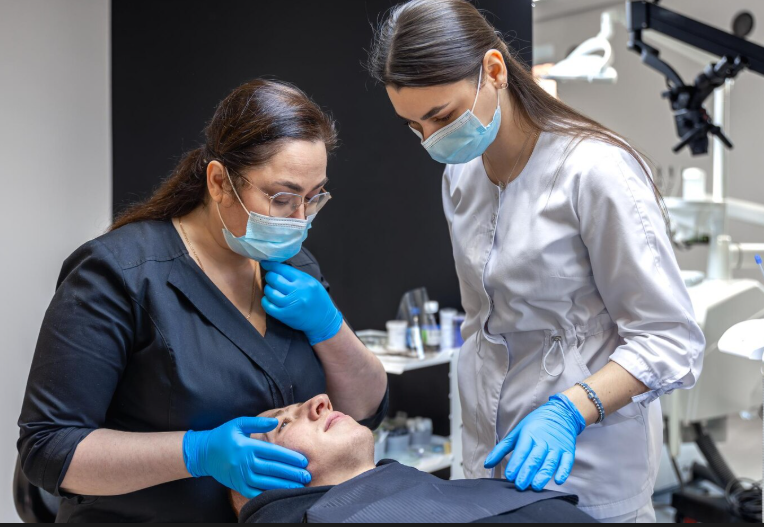



Allergy testing is a fundamental step in identifying the specific substances that trigger allergic reactions. Identifying these allergens helps healthcare providers create targeted treatment plans to help reduce symptoms and improve overall well-being. Here’s more information on what you can expect from allergy testing:
Purpose of Allergy Testing
Allergy testing helps to identify specific substances that trigger your immune system’s response. When your body encounters an allergen, it produces antibodies to fight off what it perceives as a threat. These antibodies remain in your system and activate whenever you encounter the same allergen again.
The testing process helps pinpoint which substances cause your symptoms. Common allergens include pet dander, mold, pollen, certain foods like peanuts and shellfish, bee stings, latex, and specific medications. Each person has a unique allergy profile, so substances that trigger reactions in one individual may be harmless to another.
Types of Allergy Tests
Several allergy testing methods exist to identify allergens. Your healthcare provider will recommend the most suitable option based on your symptoms and medical history. Here are some of them:
- Skin prick testing: A specialist creates small scratches on your skin and introduces minute amounts of potential allergens. If you’re allergic, the area develops redness, swelling, or raised bumps within 15-20 minutes.
- Blood tests: These measure the amount of specific antibodies in your bloodstream. Blood tests work well for people who cannot undergo skin testing due to certain medications or skin conditions.
- Patch testing: Used primarily for identifying contact allergens, patches containing potential triggers are applied to your skin and monitored over several days.
Skin prick testing remains the most common method due to its speed, accuracy, and minimal discomfort.
Overview of Testing Process
Your allergy evaluation begins with a discussion of your medical history and symptoms. Your specialist will ask about when reactions occur, their severity, and any patterns you’ve noticed. The testing process often includes the following:
- Preparation: You may need to stop taking certain medications, such as antihistamines, for a period before testing. Your provider will give you specific instructions.
- The testing procedure: During skin testing, you rest comfortably while the specialist applies potential allergens to your skin using a medical device. The process is quick and doesn’t require needles or injections.
- Observation period: You wait for a few minutes while the specialist monitors your skin for any reactions.
The procedure causes minimal discomfort. Most patients describe the sensation as a light scratch rather than pain.
Interpretation of Results and Follow-up
Your specialist reviews your results immediately after the observation period. Positive reactions appear as small, raised welts at the test sites. The size and appearance of these reactions indicate the severity of your allergy.
Once you know your specific allergens, you can develop a management plan to reduce symptoms. Avoiding known triggers is one of the most effective strategies for controlling allergic reactions. For environmental allergens like pollen, dust mites, or mold, reducing exposure helps minimize symptoms.
Treatment options include sublingual immunotherapy, which involves placing drops of a custom-blended serum under your tongue daily. This approach gradually builds your immune system’s tolerance to specific allergens. Injectable immunotherapy offers an alternative for patients who prefer this method. Your specialist will discuss the treatment options that align with your specific allergies and lifestyle.
Schedule Your Allergy Testing Appointment
Allergy testing provides clear answers about what triggers your symptoms and opens the door to effective management strategies. The process is minimally invasive and delivers results you can use immediately to improve your well-being. If you experience recurring allergic symptoms or suspect you have allergies, contact a trusted healthcare provider near you to schedule your allergy testing appointment today.
- Tips for Maintaining Spinal Health Through Chiropractic Care
- How to Choose the Right Sports Medicine Specialist for Your Needs
- The Connection Between Hair Loss Treatment and Overall Scalp Health
- What to Expect in a Session with a PTSD Therapist
- Exploring Ingredients and Formulations in White Label Health and Beauty Products