

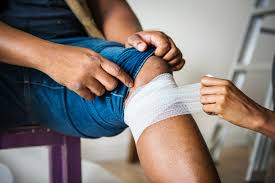

Managing diabetes involves attention to many aspects of health, including skin integrity. A small cut or scrape can present unique challenges for individuals with diabetes. Proper wound care is a key component of overall health management. Understanding how to care for minor injuries at home and when to seek professional help can support better outcomes. This guidance offers practical steps for addressing skin injuries.
How Should You Clean Wounds?
When you have a cut or scrape and are managing diabetes, proper wound care is necessary to prevent complications. Start by washing your hands thoroughly with soap and water to minimize the risk of infection. Gently rinse the wound with clean water to remove any dirt or debris. Use mild soap around the area if needed, but avoid getting soap directly into the wound to prevent irritation.
After cleaning, pat the area dry with a clean, soft cloth; do not rub, as this can damage the tissue. Apply a thin layer of an antibiotic ointment to keep the wound moist and help prevent infection. Cover the wound with a sterile, non-stick bandage or dressing to protect it from bacteria and further injury. For diabetics, change the dressing daily or more frequently if it becomes wet or dirty.
During each dressing change, inspect the wound closely for signs of infection. If healing seems slow or any signs of infection appear, consult your healthcare provider promptly, as diabetic wounds require careful monitoring to avoid complications.
Which Signs Signal Infection?
Recognizing the signs of a possible infection is a large part of effective wound care. A wound that is not healing properly may show specific changes. Paying close attention to the wound and surrounding skin during daily dressing changes enables early detection of any issues.
Look for these signs:
- Redness or swelling spreading from the wound
- Pus or cloudy fluid draining from the wound
- An increase in pain or tenderness
- Skin around the wound feeling warm to the touch
- A foul odor coming from the wound
- Fever or feeling unwell
Observing any of these signs suggests that the wound is not healing as expected. A non-healing wound requires a professional evaluation to determine the best course of action. Prompt attention can help manage complications before they become more serious.
When Should You Seek Care?
While diligent home care is beneficial, certain situations require professional medical attention. Knowing when to contact a healthcare provider helps you get the right care at the right time. Some wounds may seem minor but can pose greater risks for individuals with diabetes.
You should seek care if you notice any of the following:
- The wound is deep or large. A deep puncture or a long cut may need stitches or special treatment to close properly.
- You cannot stop the bleeding. If direct pressure does not stop the bleeding after several minutes, seek medical help.
- The wound was caused by a dirty or rusty object. This type of injury carries a risk of tetanus or other infections.
- Signs of infection appear. As mentioned previously, redness, swelling, pus, or increased pain are signals to contact a professional.
- The wound is not healing. A wound that shows no improvement after a few days or gets worse needs to be evaluated.
Timely professional intervention is a proactive step in managing your health. A healthcare provider can assess the wound, provide appropriate treatment, and offer personalized guidance to support the healing process.
Consult a Wound Care Specialist
Proper wound care is a fundamental part of managing diabetes. For non-healing or complex wounds, consulting a specialist is recommended. A wound care specialist has advanced training to diagnose and treat difficult wounds. They can develop a personalized treatment plan for you. Seeking specialized care can support healing and help you maintain your overall well-being.