
The skin acts as the body’s primary defense system, and retains moisture while blocking out environmental pathogens, irritants, and physical damage. When structural anomalies or persistent lesions compromise this barrier, targeted medical intervention becomes necessary. Many common dermatological issues resolve through standard topical or oral therapies. Specific structural growths, deep lesions, and severe scarring require a more advanced approach. Plastic surgery provides a highly regulated, precise option for removing specific tissue clusters, mitigating deep scars, or addressing significant structural changes on the skin.
What Are Skin Issues?
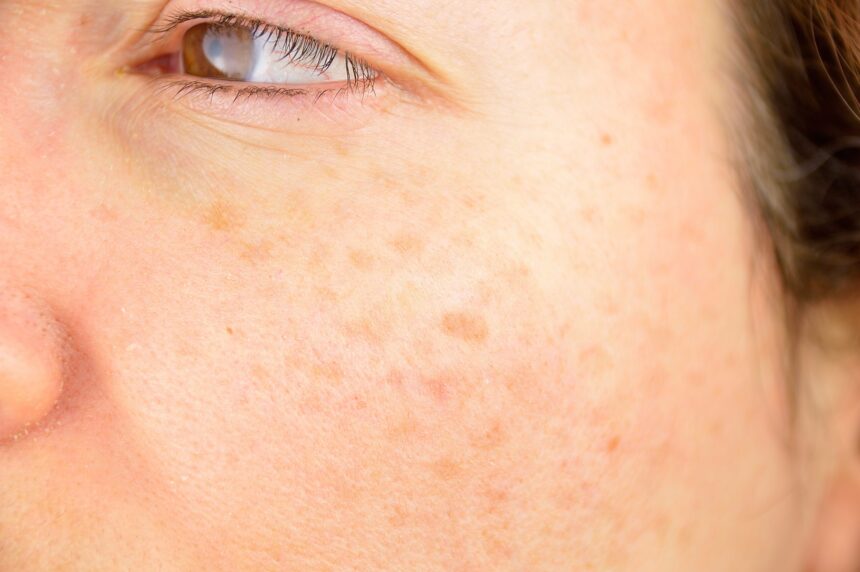
Skin disorders represent a broad category of medical conditions that specifically affect the body’s outer layer. These ailments manifest in numerous ways, altering the texture, color, and structural integrity of the skin. They range from temporary, minor irritations to lifelong, impactful conditions.
Genetics, environmental exposures, immune system anomalies, and viral infections all play a distinct role in their development. Medical professionals evaluate symptoms through comprehensive physical examinations, but identifying the exact cause of a specific ailment sometimes requires additional diagnostic testing. Practitioners can utilize skin biopsies and bacterial cultures to determine the precise nature of the anomaly, guiding the subsequent treatment strategy.
What Are the Types?
Skin conditions present in various forms, depending on their underlying causes and structural characteristics. Certain conditions manifest as physical growths extending beyond the normal skin surface. Skin tags are noncancerous clusters of tissue attached to the body by a narrow stalk. They typically develop in areas where the skin folds and creates friction, such as the neck, eyelids, underarms, and groin.
Warts represent another type of physical growth and stem from the highly contagious human papillomavirus (HPV). This virus causes rough, lumpy, or dome-shaped formations on the skin. Plantar warts, which develop on the soles of the feet, tend to remain flat due to the constant pressure of standing and walking.
Acne affects individuals across all age groups, primarily resulting from clogged hair follicles. The body naturally produces sebum to lubricate the skin and sweep away debris. When hardened sebum and dead cells block a follicle, bacteria multiply rapidly beneath the surface. This accumulation creates inflammation. Severe cases often lead to textural changes and permanent scarring. Many individuals experience conditions driven by systemic inflammation or immune responses, such as eczema, psoriasis, and rosacea. These disorders typically cause widespread redness, scaling, or intense irritation rather than isolated physical growths.
How Are They Treated?
Medical professionals may utilize a combination of non-surgical therapies and plastic surgery procedures to manage these conditions. Advanced technology offers additional non-invasive solutions. Broadband light therapy targets the bacteria responsible for acne and reduces associated inflammation. Chemical peels remove the outermost layers of dead skin, promoting cellular turnover and smoothing minor surface irregularities. Cryosurgery utilizes liquid nitrogen to freeze warts, causing the targeted tissue to detach over time.
When growths, like skin tags, cause physical discomfort, snag on clothing, or present significant aesthetic changes, doctors perform direct surgical removal. Surgical excision involves using a scalpel or surgical scissors to cleanly detach the lesion from the base. Practitioners may also use cauterization. This is a process that applies heat or electricity to burn away the tissue while simultaneously stopping any bleeding.
Seek Professional Plastic Surgery
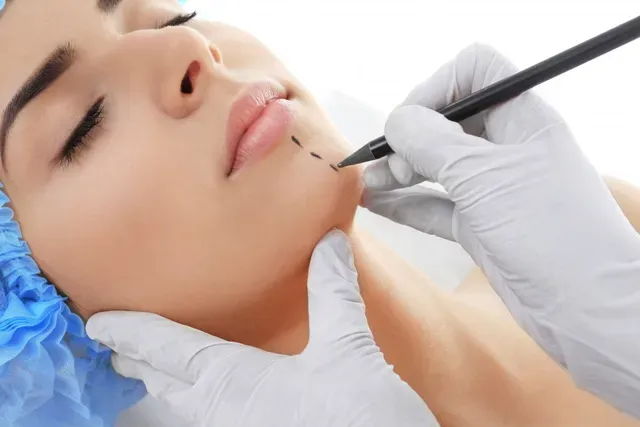
Transitioning from standard dermatological care to plastic surgery offers distinct advantages for individuals facing persistent structural skin issues. Plastic surgeons specialize in techniques that remove lesions while minimizing visible scarring. Consulting a specialized surgeon gives patients a clear understanding of expected outcomes and exact procedural steps. By obtaining a professional surgical evaluation, individuals can navigate their treatment options thoroughly and achieve long-term resolution for complex skin abnormalities.