

Mohs surgery is a surgical technique developed to treat skin cancer while preserving as much healthy tissue as possible. Surgeons remove thin layers of cancer-containing skin, and they examine each layer under a microscope until only cancer-free tissue remains. Patients complete the process in a single visit, proceeding through each stage as needed while waiting comfortably in between. Here are some things to expect during Mohs surgery:
Completing Surgical Preparation
Before the Mohs procedure begins, your care team will guide you through the preparation steps:
- The surgeon will identify and clean the area around your skin cancer, verifying that it is free from bacteria and ready for surgery.
- A local anesthetic is injected around the treatment site. This numbing reduces discomfort, and you remain awake and able to communicate throughout the procedure.
- The visible portion of the tumor is outlined using a surgical marker. This mark provides a guide to help the surgeon pinpoint where to start.
Targeting Skin Layers
The first stage of Mohs surgery focuses on removing the visible tumor, along with a thin layer of surrounding tissue. This is done with a scalpel for accuracy and precision. After the tissue is removed, the wound is bandaged, and you are shown to a waiting area. The tissue sample is sent to an on-site laboratory, where a technician prepares it for further analysis. While you wait, you might bring a book or other quiet distraction to pass the time since the laboratory analysis typically takes about an hour. Each new layer is mapped and labeled, and this helps with thorough evaluation and effective follow-up treatment if needed.
Mapping the Tissue
In the lab, a technician slices a specimen into extremely thin sections, preparing slides for microscopic inspection. The surgeon examines these slides to look for cancer cells. If any cancer cells are found, their precise location is recorded on a hand-drawn diagram or digital map corresponding to your surgical site. This process is methodical, and the mapping allows the surgeon to know where to remove another layer if necessary. Only the area where cancer remains is targeted, leaving healthy tissue intact. This cycle of removal, mapping, and microscopic checking may be repeated multiple times, depending on what the microscope shows.
Supporting Wound Healing
When all cancer cells have been removed, attention turns to wound care. The approach to wound healing depends on factors such as the size, shape, and position of the area treated. Smaller wounds may be left open to heal naturally, but some patients get stitches, which are applied to close the wound and speed up recovery.
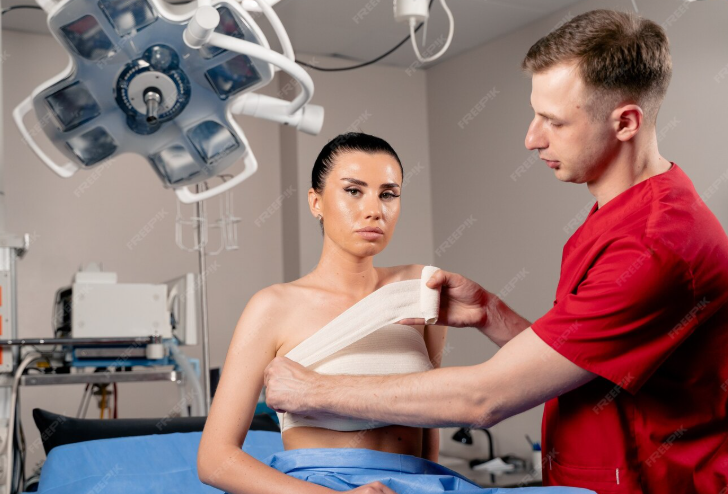
For larger or more complex wounds, especially if removal affected a sensitive or visible area, the surgeon might use a skin graft from another part of your body to cover the wound. Your care team will walk you through aftercare instructions, explain bandaging techniques, and discuss symptoms to monitor in the days following surgery. Clear guidance is given, along with answers to questions, so you leave feeling prepared.
Schedule Mohs Surgery Today
Knowing the steps of Mohs surgery, from initial preparation to final wound care, helps you understand the procedure’s goals. Mohs surgery removes skin cancer in a precise, structured way, preserving healthy skin wherever possible. Contact a dermatology clinic today to schedule a skin cancer evaluation.