

Understanding the medical steps behind aesthetic treatments helps patients know what to expect on the day of their Botox appointment. Botox injections improve appearance by relaxing muscles that cause wrinkles. These injections treat medical conditions such as chronic migraines, and they also address cosmetic concerns such as crow’s feet. Here is more information about how the procedure works:
Understanding the Procedure
When an injection is administered, Botox blocks chemical signals from nerves that cause muscles to contract. The injected muscle can no longer tighten. This action relaxes and softens wrinkles, but the effect is temporary. While the muscle stays relaxed, the skin covering it becomes smoother, and new wrinkles are less likely to form with regular treatments.
Preparing for Treatment
Your provider will review your medical history first. Disclose any muscle or nerve conditions, such as ALS, because these issues may increase the risk of side effects. Tell your doctor about your medications, and share a list of supplements you currently take. If you have had injections in the past four months, tell your provider, as this information helps them determine the correct dosage.
The consultation includes a facial analysis. The doctor examines your ability to move certain muscles, and they will ask about your goals. Since every face is unique, the provider creates a customized treatment plan that addresses your specific lines and structure.
To reduce potential bruising, avoid taking blood thinners before the appointment. Providers recommend stopping these specific items:
- Aspirin and non-steroidal anti-inflammatory drugs
- Vitamin E supplements
- Fish oil capsules
Alcohol consumption increases redness at the injection site, so doctors recommend abstaining for at least 24 hours before your procedure. Quitting smoking is also required. Drink plenty of water before your visit, but do not consume heavy meals immediately beforehand. If you develop a cold sore or skin infection near the injection site, you must reschedule to prevent complications.
Navigating the Procedure
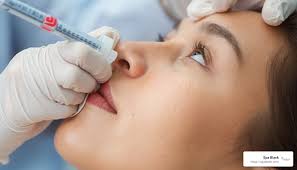
The provider cleans the skin to prevent infection. They might use a topical anesthetic to numb the area, although many patients find the discomfort minimal. A thin needle injects small amounts of Botox, and the provider targets specific muscles. The doctor might ask you to frown or smile, because these expressions reveal the exact location of the dynamic wrinkles. The provider marks the injection sites with a washable pencil. These guide marks help with precision, and the injector removes them after the process is complete.
The number of injections depends on the extent of the area being treated. You will feel a slight pinch, and some providers use ice packs for comfort. Applying cold compresses before the injection helps constrict blood vessels, which minimizes the chance of bruising. The needle is incredibly fine, and it leaves almost no mark on the skin surface.
Managing the Aftercare
You can return to normal activities immediately, although you should avoid strenuous exercise for a day. Do not rub the treated areas for 12 hours; it can cause bruising or redness. You should stay upright for four hours after the shots. Lying down increases blood flow to the face.
After the procedure is complete, small red bumps may appear. While complications are rare, contact your doctor if you experience difficulty breathing or swallowing. Results typically appear within about four days, but the full effect takes about two weeks to develop.
Learn More About Botox
Botox is a solution for wrinkles that is quick and minimally invasive. The procedure involves preparation and a short injection session, and simple aftercare steps come after the treatment. Because the results are temporary, you will need maintenance appointments. To learn more about the benefits of Botox, consult an aesthetics provider near you.