

Orthodontics is a specialized branch of dentistry focused on correcting misaligned teeth and jaws. The scope of orthodontic treatment extends beyond cosmetic improvements, encompassing functional benefits that impact overall health. Properly aligned teeth contribute to better oral hygiene and can reduce the risk of dental complications. Understanding orthodontic options helps patients make informed decisions about their dental care.
What Is Orthodontics?
Orthodontics is a dental specialty that diagnoses, prevents, and treats dental irregularities and facial abnormalities. This field addresses both the position of teeth and the relationship between the upper and lower jaws. The practice combines scientific principles of biology and physics to gradually move teeth into proper positions. Orthodontic treatment can begin at any age, though timing may affect the complexity and duration of treatment.
What Does It Involve?
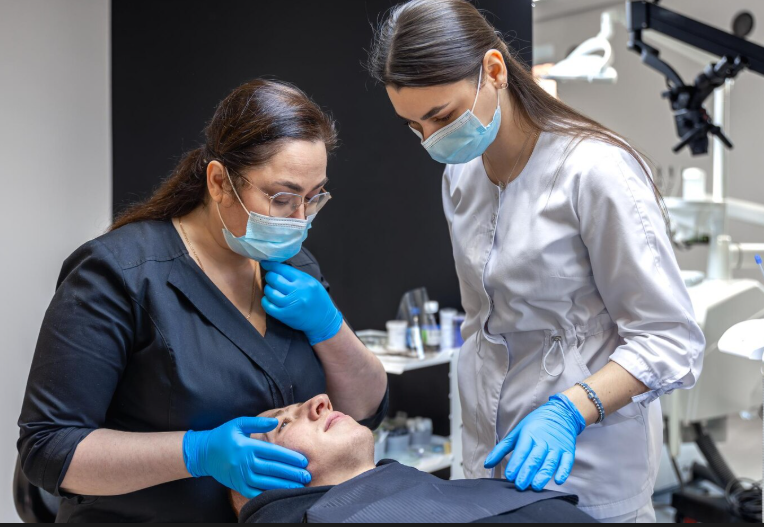
Orthodontic treatment begins with a comprehensive examination that includes X-rays, photographs, and dental impressions. The orthodontist analyzes these diagnostic materials to create a customized treatment plan for each patient. Treatment duration typically ranges from 12 to 18 months, depending on the complexity of the case and the patient’s compliance with treatment protocols.
The process involves regular appointments for adjustments and monitoring progress throughout treatment. Patients receive specific instructions for oral hygiene maintenance and dietary modifications during treatment. Post-treatment retention is an integral component to maintain the newly achieved tooth positions.
What Issues Does It Address?
Orthodontics addresses various dental and skeletal problems that affect both function and appearance. Common conditions include overcrowding, spacing issues, overbites, underbites, and crossbites. These malocclusions can result from genetic factors, early loss of primary teeth, or oral habits such as thumb sucking.
Jaw misalignment can cause difficulties with chewing, speaking, and maintaining proper oral hygiene. Orthodontic intervention can correct these functional problems while simultaneously improving facial aesthetics. Consulting a dental professional helps determine what orthodontics can do for each situation.
What Is Invisalign®?
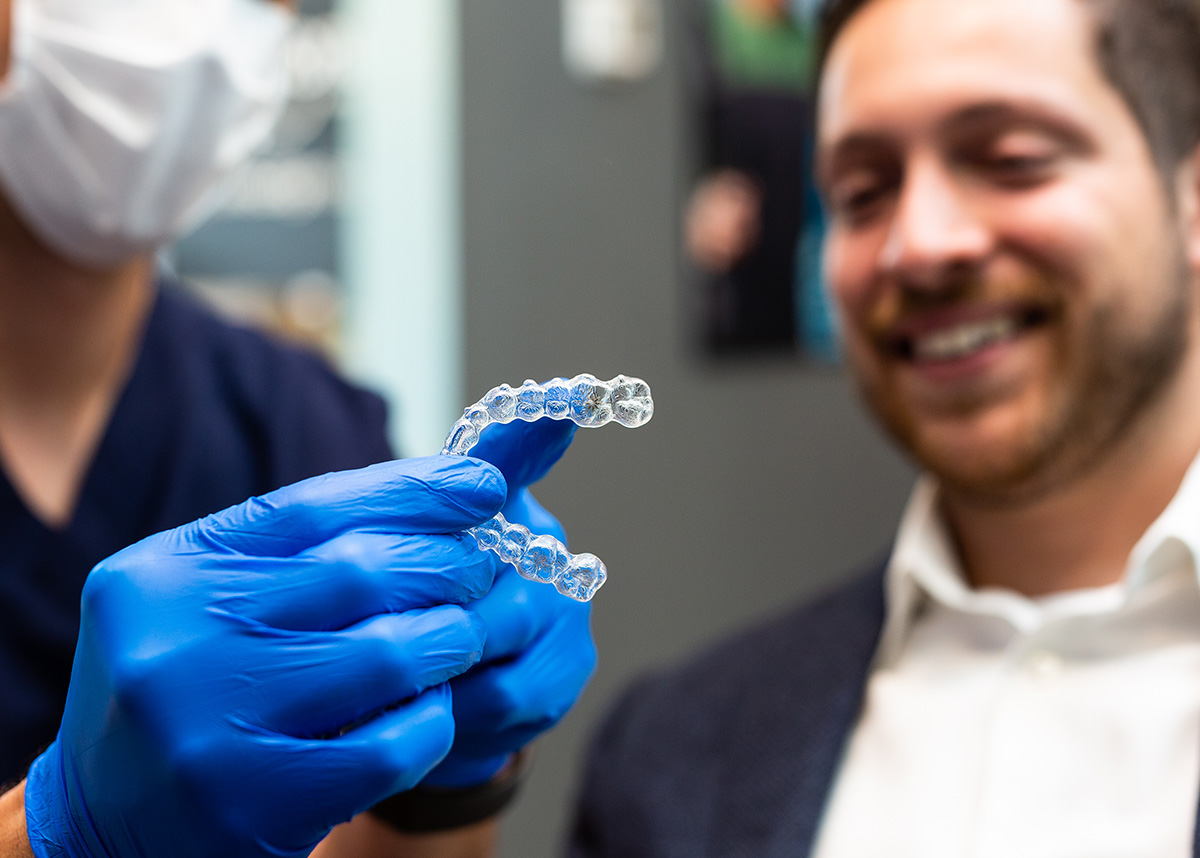
Invisalign® represents a modern approach to orthodontic treatment using clear, removable aligners. These custom-made aligners are virtually invisible when worn and can be removed for eating and cleaning. The system uses advanced 3D computer imaging technology to plan the entire treatment sequence from the initial position to the final desired position. The aligners gradually move teeth into their correct positions through controlled force application.
What Are the Benefits?
Properly aligned teeth offer numerous health advantages beyond improved appearance. Straight teeth are easier to clean effectively, reducing the risk of tooth decay and gum disease. Better oral hygiene contributes to overall health, as periodontal disease is linked to various systemic conditions.
Orthodontic treatment helps improve chewing efficiency and reduce excessive wear on teeth. Correcting bite problems may alleviate jaw pain and reduce the risk of temporomandibular joint disorders. Patients may experience increased self-image and improved social interactions following successful orthodontic treatment.
The investment in orthodontic care often provides long-term benefits that extend throughout a person’s lifetime. Maintaining proper alignment helps preserve treatment results. Regular dental check-ups and good oral hygiene habits complement orthodontic treatment outcomes.
Promote Your Dental Health
Orthodontic treatment offers a pathway to improved oral health and enhanced quality of life for patients of all ages. The various treatment options available today make it possible to address dental alignment issues while accommodating individual lifestyle preferences and needs. Modern orthodontic techniques provide effective solutions for achieving improved tooth positioning and jaw alignment. Consult with a dental professional to evaluate your specific needs and explore treatment options.
- Tips for Maintaining Spinal Health Through Chiropractic Care
- How to Choose the Right Sports Medicine Specialist for Your Needs
- The Connection Between Hair Loss Treatment and Overall Scalp Health
- What to Expect in a Session with a PTSD Therapist
- Exploring Ingredients and Formulations in White Label Health and Beauty Products