

Handling a long-term illness means staying aware of what might trigger your symptoms. Psoriasis is a condition in which the immune system triggers inflammation, leading to raised, scaly patches on the skin. While the immune system is the main cause, certain external factors trigger flare-ups. Knowing these triggers may help you make better choices and reduce how often and severe flare-ups are.
Ease Tension Naturally
Stress is a known trigger for inflammatory conditions like psoriasis. When you are stressed, your immune system increases inflammation. This response creates a feedback loop: physical symptoms lead to distress, which can worsen the condition.
Managing stress is a step in controlling this inflammatory cycle. Incorporating simple, consistent practices such as deep breathing exercises or mindfulness meditation into your daily routine can reduce tension levels. These relaxation techniques require no medication and offer a way to support your long-term health.
Improve Daily Posture
Poor posture doesn’t just affect your muscles and joints; it also contributes to systemic inflammation and affects your overall health. Some ways how posture affects your body and why improving it matters include:
- Poor alignment increases physical stress: Slouching or hunching can place excessive strain on your body, leading to inflammation.
- Restricts blood flow: Bad posture sometimes limits proper circulation, reducing oxygen and nutrient delivery throughout the body.
- Compresses internal organs: Hunching over can impact organ function, putting extra pressure on your body’s systems.
- Efficient posture reduces strain: Sitting or standing upright decreases mechanical stress, helping your body function optimally and lowering the chance of inflammation.
- Awareness is key: Noticing and managing poor posture habits is the first step toward healthier alignment.
Stretch Tight Muscles
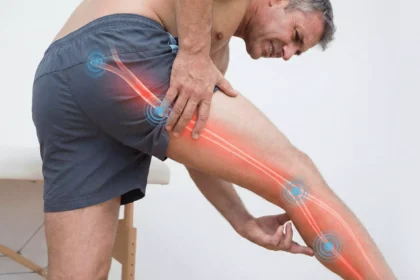
Muscle tightness can restrict circulation and trap waste, worsening discomfort. Regular stretching improves blood flow, reduces stiffness, and boosts resilience to stress. Gentle routines help maintain mobility and ease joint strain. Focus on key areas like:
- Neck & Shoulders: Tilt side to side to relieve tension.
- Lower Back: Slow forward bends to ease lumbar tightness.
- Hamstrings: Stretch to support pelvic alignment.
Apply Soothing Heat
Heat therapy helps relieve pain and relax tense muscles. The heat helps increase blood flow, which brings more oxygen and nutrients to tissues in distress. Applying a heating pad or taking a warm bath can ease physical tension and reduce discomfort. Be careful not to expose yourself to overly hot temperatures, as this sometimes dries out the skin or cause further irritation.
Support Proper Alignment
Maintaining proper body support during sleep and rest helps reduce physical stress. A mattress that is too soft or a pillow that lacks support can put unnecessary strain on your body throughout the night. By helping your body be properly aligned, you allow your muscles to relax and your body to repair and recover.
Take Control of Psoriasis Flare-Ups
Managing physical stress, outside elements, and psoriasis is beneficial for long-term control. While not all triggers are able to be controlled, improving posture, reducing tension, and supporting muscle health can help lower the risk of inflammation. Consult your healthcare provider for a personalized plan.