
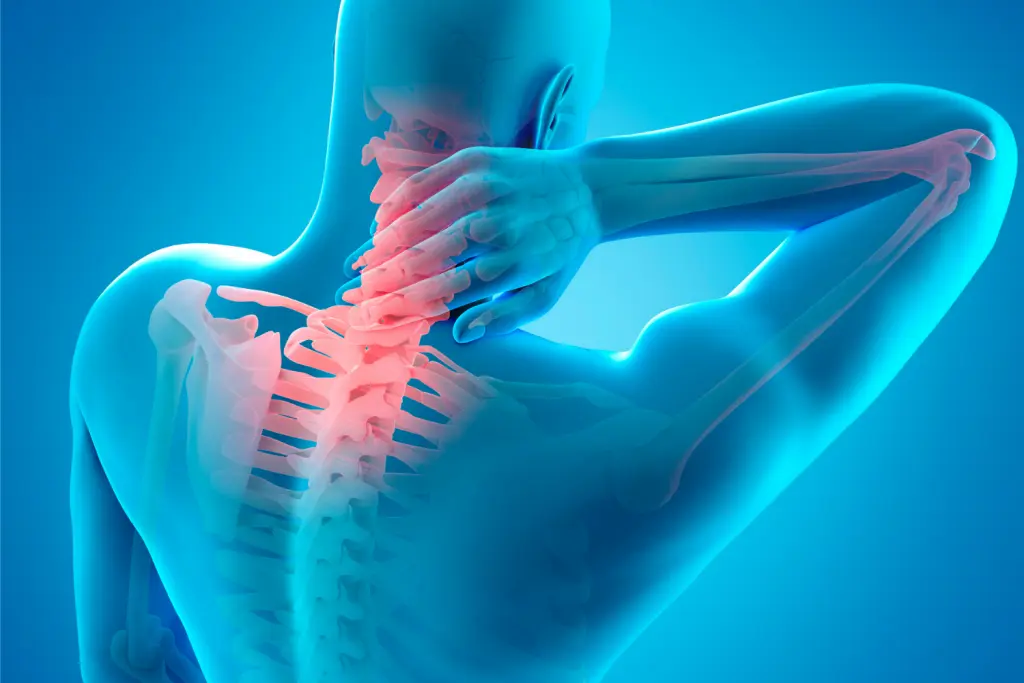

Discomfort in the cervical spine, also known as neck pain, can range from a dull ache to sharp, debilitating pain that restricts movement and interferes with daily activities. While occasional stiffness is common, persistent discomfort often signals underlying issues that require attention and lifestyle adjustments. Understanding the causes of your neck pain is the first step toward finding relief.
Neck Pain Trigger Factors
The causes of neck pain can vary and often involve multiple factors. Acute injuries, like whiplash from a car accident, cause immediate trauma to the soft tissues. Chronic pain, on the other hand, usually develops gradually due to ongoing stress or strain.
Degenerative conditions, such as osteoarthritis, may also contribute to neck pain as the body ages. Lifestyle choices, such as poor posture or prolonged screen time, can worsen these issues over time. While some causes are unavoidable, understanding these factors can help manage or prevent the pain.
Posture-Related Neck Strain
Poor posture serves as a primary contributor to musculoskeletal discomfort because it alters the natural alignment of the spine. When the head is positioned forward rather than directly over the shoulders, the weight that the neck muscles must support increases. This constant mechanical stress fatigues the muscles, and eventually, it leads to chronic strain and stiffness in the cervical region.
Stress-Induced Neck Tension
Psychological stress can often show up in physical ways, particularly in the shoulders and neck. Here are some key points to understand how stress impacts your body and what you can do about it:
- Muscle Tightening: Stress causes involuntary muscle tightening in the shoulders and neck as the body’s natural defense mechanism.
- Emotional Stress Link: High levels of anxiety or pressure directly contribute to this physical tension.
- Breaking the Cycle: Recognizing the connection between stress and muscle tension is beneficial for managing it.
- Relaxation Techniques: Techniques such as stretching, deep breathing, and mindfulness can help relieve tension and prevent pain from worsening.
Harmful Daily Habits
Routine behaviors that seem harmless can damage the health of the cervical spine. Looking down at smartphones or tablets for extended periods forces the neck into an unnatural angle, which can create significant pressure on the vertebrae. Sleeping on a pillow that does not support the natural curve of the neck can also leave muscles stiff and sore upon waking.
Effective Pain Relief Methods
Relieving discomfort often means combining self-care and professional advice. Small changes can help reduce symptoms such as:
- Ergonomic Adjustments: Position computer monitors at eye level to prevent looking down.
- Gentle Stretching: Perform slow range-of-motion exercises to relieve stiffness.
- Heat or Cold Therapy: Apply ice for acute inflammation or heat to relax tight muscles.
- Scheduled Breaks: Take frequent pauses during work to move and reset posture.
Taking Control of Neck Pain
Managing neck pain effectively demands a proactive approach that addresses both immediate symptoms and root causes. By understanding the impact of posture, stress, and daily habits, individuals can make informed decisions that promote long-term spinal health. If you are experiencing persistent discomfort that does not improve with self-care, please contact a specialist to schedule a comprehensive evaluation.