
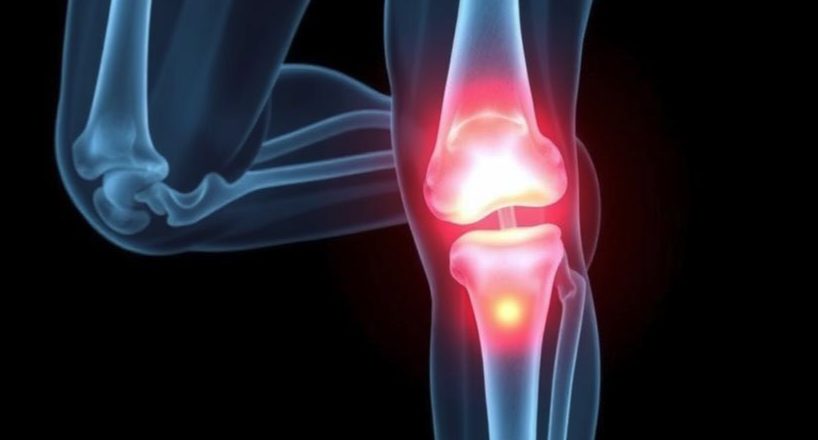

The knee is a large joint in the body and includes a complex network of bones, cartilage, ligaments, and tendons. This structure enables movement for walking, running, and jumping, while supporting the body’s weight during daily activities. Because of its complexity, the knee is especially vulnerable to injuries and conditions that can disrupt function and cause knee pain.
What Causes Knee Pain?
Knee injuries are common and may occur during physical activity, accidents, or overuse. Ligament injuries, such as anterior cruciate ligament (ACL) tears, can occur in sports involving sudden stops or quick direction changes. Fractures of the kneecap or other bones in the joint may occur after significant impact, such as falls or collisions. The meniscus can tear as a result of twisting the knee while bearing weight. Bursitis, or inflammation of the small fluid-filled sacs that reduce friction around the joint, and patellar tendinitis, which is irritation of the tendon that connects the quadriceps muscle to the shinbone, can also produce knee pain.
Some knee pain can be attributed to mechanical problems. Iliotibial (IT) band syndrome results from tightness in a band of tissue running from the outside of the hip to the outside of the knee, and may produce pain when the tissue rubs against the femur. Dislocation of the kneecap can lead to sudden pain and instability.
How Is It Diagnosed?
Diagnosis begins with a detailed history and physical examination, where a physician will look for swelling, tenderness, and warmth around the knee. In many cases, further evaluation is necessary using imaging studies. X-rays provide clear images of bone structure, helping to detect fractures or signs of degenerative disease. CT scans create cross-sectional views for identifying subtle bone injuries. An MRI delivers detailed imagery of soft tissue, enabling detection of ligament, cartilage, or tendon problems that might not appear on other imaging tests.
How Is It Treated?
The approach to treating knee pain is tailored to its underlying cause. For most patients, non-surgical measures are effective in reducing symptoms and improving joint function. These may include over-the-counter anti-inflammatory medications and specialized rehabilitation with physical therapy. Therapeutic exercises help strengthen the muscles supporting the knee and restore joint stability.
When inflammation persists, ultrasound-guided injections into the knee joint may be used. Corticosteroid injections can provide a temporary reduction of inflammation. If conservative approaches do not resolve the symptoms or if there is extensive damage, surgical intervention may be indicated. Surgery allows physicians to diagnose and repair many types of joint damage with minimally invasive techniques, such as removing damaged cartilage or addressing ligament injuries.
Confer With a Pain Management Specialist
Knee pain can disrupt daily function and affect one’s quality of life. A thorough evaluation helps identify the cause and determine which treatment methods are best suited for each individual. Pain management specialists have expertise in assessing and managing musculoskeletal pain and can guide patients through available therapies, ranging from medication and rehabilitation to procedural options. Consulting such a specialist supports effective pain relief and improved knee function.