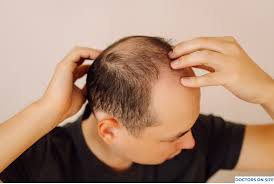


Infertility can be a difficult challenge for individuals and couples, with many possible causes affecting the ability to conceive. Understanding these causes is a step in finding solutions. Sometimes, other health issues like unexplained hair loss may be linked to conditions that also impact fertility. While it can be emotionally challenging, learning more can help you take control of your health.
Hormonal Factors
Hormonal balance is fundamental to reproductive health, and disruptions can interfere with fertility. Conditions such as Polycystic Ovary Syndrome (PCOS) are common conditions, characterized by hormonal imbalances that affect ovulation. Similarly, thyroid disorders, whether hypothyroidism or hyperthyroidism, can disrupt the menstrual cycle and prevent pregnancy. These endocrine issues often co-occur with other symptoms, such as weight changes or hair loss, and require a medical evaluation to manage their effects on overall health and fertility.
Structural Issues
Physical blockages or abnormalities within the reproductive system can create significant barriers to conception, and for many individuals, these structural issues are a primary cause of infertility. A thorough diagnostic workup can identify these problems, many of which can be addressed through medical procedures to improve the chances of pregnancy. Common structural issues that can affect fertility include:
- Blocked fallopian tubes: These prevent the egg and sperm from meeting, making fertilization impossible.
- Uterine abnormalities: Conditions such as fibroids or polyps can interfere with the implantation of a fertilized egg in the uterine lining.
- Varicoceles: In men, these enlarged veins in the scrotum can negatively affect sperm production and quality.
Lifestyle Habits
A person’s daily habits and exposure to certain environmental factors can impact their fertility. Several lifestyle choices can either support or hinder reproductive function. Key factors include:
- Diet and Weight: Being significantly underweight or overweight can disrupt hormone levels and affect ovulation in women. A balanced diet and a healthy weight are foundational for reproductive health.
- Substance Use: Smoking is known to harm egg viability in women and sperm quality in men. Excessive alcohol consumption can also negatively affect fertility in both partners. Avoiding these substances can improve fertility outcomes.
- Exercise: Regular, moderate exercise is beneficial for overall health and can support fertility. Extreme or excessive physical training can negatively impact hormonal balance and reproductive function.
Medical Conditions
Beyond specific reproductive disorders, various other medical conditions can contribute to infertility. Chronic illnesses, such as diabetes, can affect hormonal regulation, while autoimmune diseases may cause the body to mistakenly attack reproductive tissues. Certain infections can also lead to inflammation and scarring in the reproductive tract, creating physical impediments to conception. Managing these underlying health conditions with the guidance of a healthcare provider is beneficial for addressing potential impacts on fertility.
Take Action Toward Infertility Answers
Understanding the causes of infertility means looking at many factors, including hormones, lifestyle, and other medical conditions. Sometimes, issues that seem unrelated, like hair loss, can be a sign of a hormonal problem that affects fertility. Your body’s systems are all interconnected, and understanding this connection is a beneficial step. If you are worried about your fertility, a fertility specialist can help you understand your choices and create a plan that is right for you.