

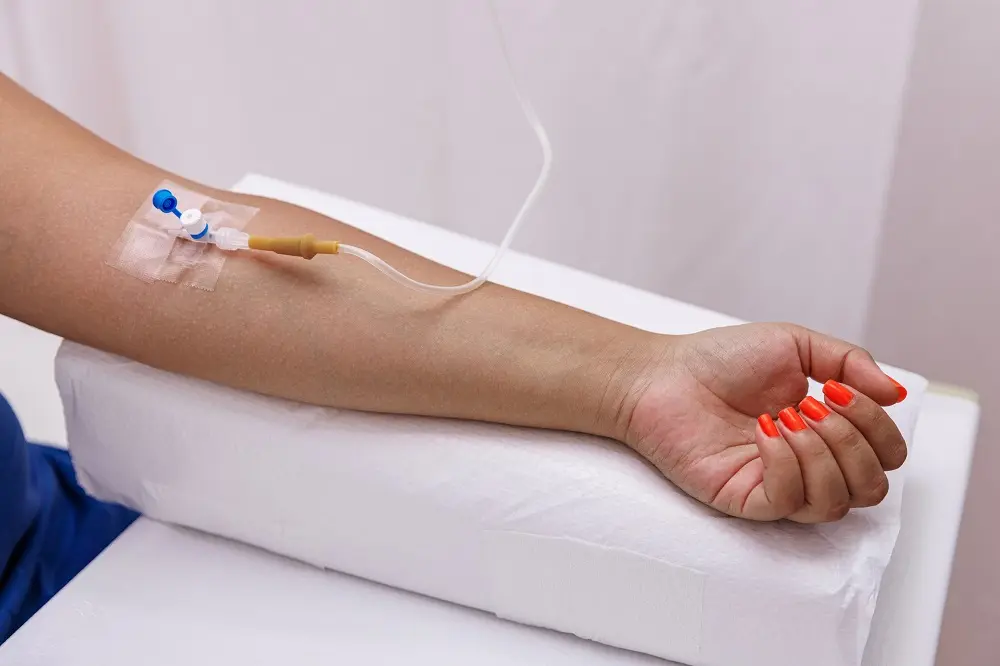

Intravenous (IV) therapy delivers fluids and compounds directly into a person’s bloodstream. This method allows for the administration of various substances. Many formulations are available, each with a different composition. Here is some information on a few common types of IV therapy treatments, including those that use alpha-lipoic acid, vitamin C, and glutathione. Understanding these options can help you feel more informed about the choices available.
Alpha-lipoic Acid (ALA)
Alpha-lipoic acid, or ALA, is a compound found naturally in every cell of your body, where it plays a key role in turning glucose into energy. While your body produces ALA, and you can get it in small amounts from foods like spinach and red meat, IV therapy allows for it to be administered directly into your bloodstream.
Using an IV for ALA has a few notable features:
- Direct Delivery: This method bypasses the digestive system, allowing for complete absorption into your body.
- Professional Administration: A healthcare professional will prepare and oversee the infusion to verify it is done correctly.
- Controlled Process: The ALA solution is delivered slowly over a set period via a small needle inserted into a vein.
This direct approach to delivering ALA is why it is often used in a clinical setting. By bypassing the stomach, the full dose of the compound can enter your system to support your body’s functions.
Vitamin C
Vitamin C, also known as ascorbic acid, is a nutrient that the human body does not produce on its own. People must obtain it through diet or supplements. Citrus fruits, strawberries, and bell peppers are good dietary sources of this vitamin. It plays a role in various bodily functions and is an antioxidant.
When provided through IV therapy, vitamin C is mixed with a sterile solution. A qualified practitioner administers the infusion. The concentration of vitamin C in an IV solution can vary depending on the specific protocol. This method of delivery introduces the vitamin directly into the circulatory system. The duration and frequency of the infusions are determined by the providing professional.
Glutathione
Glutathione is a powerful antioxidant that your liver naturally produces. It’s made up of three amino acids and helps with many of your body’s functions. Your natural levels of glutathione can decrease as you get older or for other reasons. While it’s found in foods like asparagus, avocados, and walnuts, IV therapy offers a more direct way to supplement it.
When given as an IV infusion, glutathione is delivered directly into your bloodstream. This bypasses the digestive system, where it might not be fully absorbed. Here’s a simple breakdown of how it works:
- Direct Delivery: The glutathione is administered into a vein, allowing it to enter your circulation immediately for full effect.
- Administration Method: A trained provider will administer the infusion as a slow push or a steady drip for a controlled, safe delivery rate.
- Professional Care: The entire process is managed by a qualified professional to make sure you receive the treatment safely and effectively.
Receiving glutathione through an IV can be a practical way to verify your body gets the full benefit of this antioxidant. A healthcare provider will oversee the process so it is administered at the correct rate for your needs.
Consult an IV Therapy Specialist
Exploring the different types of IV therapy can provide helpful information. Each option offers a unique formulation with specific ingredients. Speaking with a qualified specialist can help you understand the treatments available. They can offer detailed explanations of each type of infusion, discuss the administration process, and answer your questions. To learn more about IV therapy and find out which option aligns with your wellness goals, schedule a consultation with an experienced IV therapy provider.