

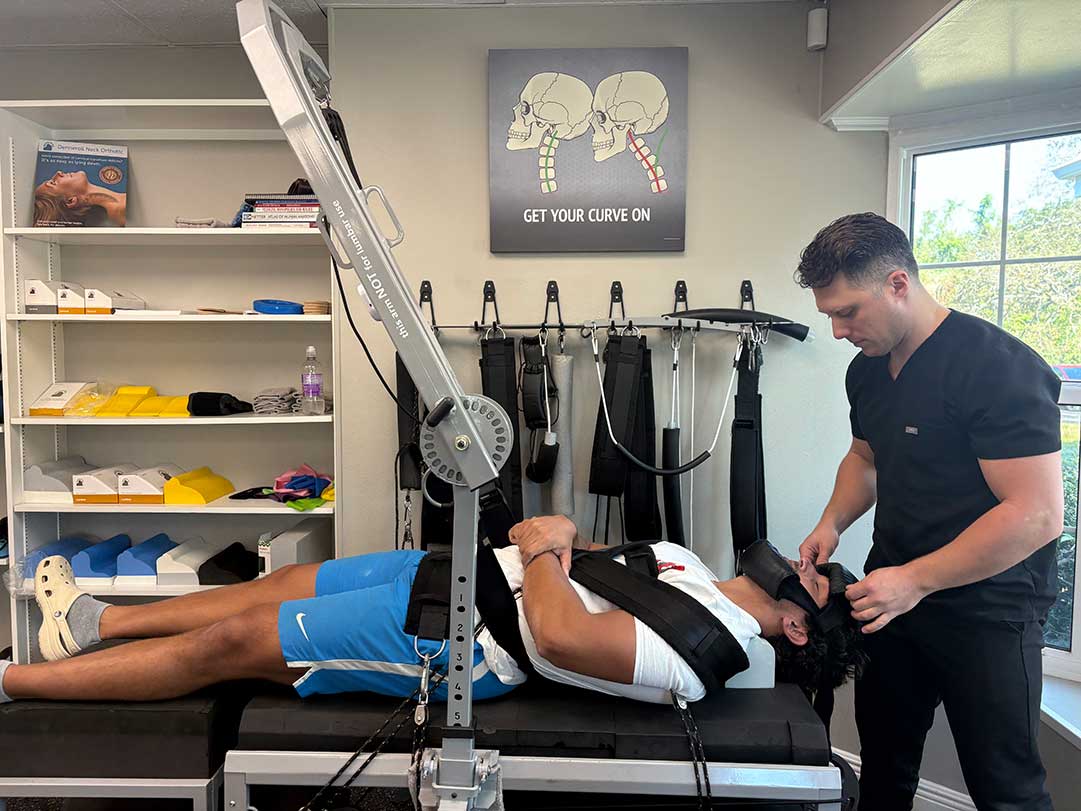

Spinal decompression therapy aims to relieve back pain mechanically. A device gently stretches the spine, and this procedure changes the force and position of the spine. When the device applies force, negative pressure develops within the disc, relieving pain. Here is more information about the science behind this spinal procedure:
Removing Ligament Tissue
Ligament tissue sometimes thickens significantly due to stress or age. When it narrows, it puts pressure on the spinal canal space. Surgeons may perform a laminectomy to remove this thickened tissue. Because the lamina covers the canal, removing it creates necessary space and relieves mechanical pressure on the cord.
Decompression occurs, and the spinal stability remains mostly intact. The surgeon removes the lamina, allowing the spinal cord to expand and alleviate pressure. This approach addresses the structural source of the pain, and it physically opens the bony canal. While it is invasive, it clears the path for the nerves, allowing them to recover and reducing pain signals.
Restoring Spinal Canal Space
Spinal stenosis involves a narrowing of the spinal canal, which puts pressure on the nerves inside the spine. As we age, the spinal canal may narrow naturally, the ligaments thicken, and bone spurs may form. Traction therapy increases the vertical space between the vertebrae, allowing the canal volume to expand temporarily. This expansion helps alleviate the impingement on neural elements.
This therapy addresses several mechanical issues:
- Sciatica leg pain
- Bulging disks
- Herniated disks
- Posterior facet syndrome
- Degenerative disk disease
Using Indirect Spinal Decompression
Indirect spinal decompression involves a minimally invasive procedure in which a small implant is placed between the spinous processes of your vertebrae. The spinous processes are the bony projections you can feel along your spine. To reduce pressure on the spinal nerves and relieve pain, this implant gently opens the space between the vertebrae.
This implant acts as a spacer, helping to keep the vertebrae slightly apart. When you stand or walk, the spacer prevents the spinal canal from narrowing and stops the vertebrae from pinching the surrounding nerves. This aims to create more room for the spinal cord and nerves, relieving the pressure that causes pain.
The procedure is typically performed under a local anesthetic, and because it’s minimally invasive, it may lead to a quicker recovery. By holding the vertebrae apart, the implant helps restore the proper height between them, which can reduce pain and improve your mobility without requiring a more extensive surgery like a laminectomy or spinal fusion.
Preventing Pinching
When discs begin to degenerate, these bony tunnels become smaller. The bone pinches the nerve, and pain radiates to other areas. Decompression therapy restores the height of the collapsed disc. Because the disc is taller, the foramen widens significantly, and this relieves the physical pinching of the nerve root.
Schedule Spinal Decompression Today
Contact a pain management center near you, and they can evaluate your condition. They can assess your situation and determine if you are a candidate for this therapy. Since mechanical issues cause pain, these solutions may work most effectively. Schedule your appointment at a clinic today.