

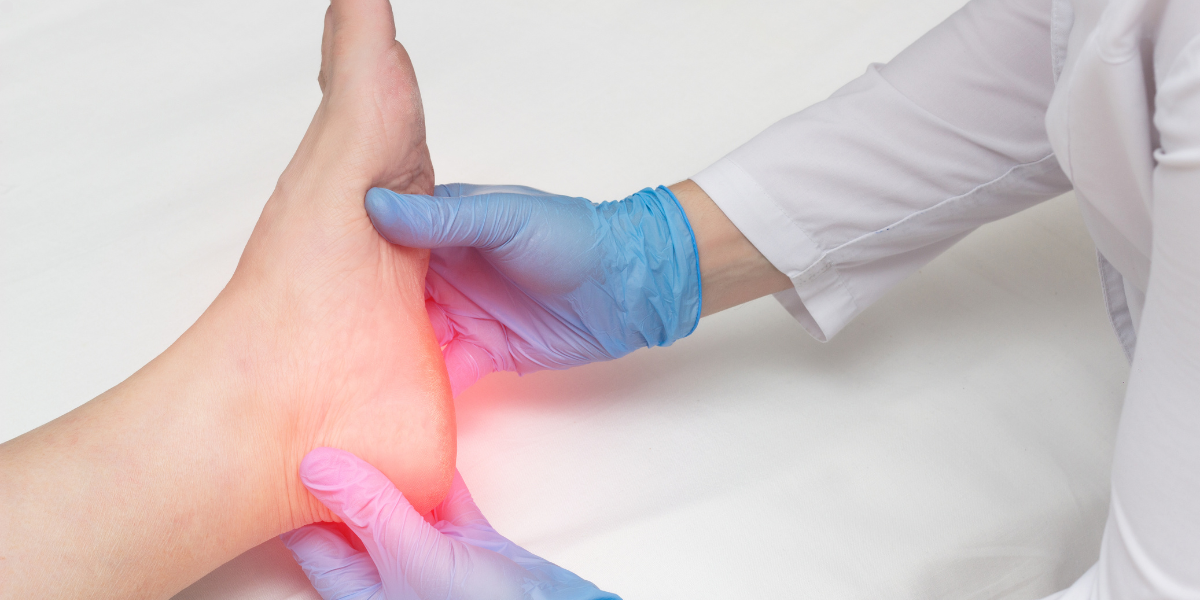

Heel pain affects people of all ages, often making basic movement difficult. It causes a sharp, stabbing sensation in some individuals, and it results in a persistent, dull ache for others. Understanding the various causes of foot pain allows you to address your discomfort and improve your daily experience. Here are several factors that contribute to heel pain, along with information that can help you recognize potential sources and seek appropriate care:
Identifying Plantar Fasciitis
A frequent source of heel pain is plantar fasciitis. The plantar fascia is a strong band of tissue that stretches across the bottom of the foot, linking the heel bone to the toes. This tissue functions as a shock absorber, and it provides key support to your foot’s arch.
When the fascia becomes overstretched through overuse or added strain, tiny tears may develop. These microscopic injuries cause discomfort that is noticeable first thing in the morning. This pain sometimes fades as you start moving, but it can return after periods of rest or long hours of standing. Individuals with flat feet, high arches, or those on their feet all day are especially susceptible. Choosing supportive footwear and paying attention to daily habits can be helpful for managing stress on the fascia.
Investigating Achilles Tendinitis
Pain at the back of the heel often relates to the Achilles tendon. This large tendon connects the calf muscles to the heel bone, and it plays a key role in walking and running. Achilles tendinitis may occur when the tendon absorbs repetitive stress. Individuals who exercise with sudden starts and stops or participate in high-impact sports on weekends are particularly susceptible to this condition.
A dull ache may begin after activity, and this sometimes develops into more intense discomfort with activities like running, climbing stairs, or sprinting. Morning stiffness is a frequent feature, usually easing as movement increases. Incorporating gentle stretches and strengthening exercises into your routine may aid with this type of heel pain.
Understanding Heel Spurs and Bursitis
Heel spurs are another fundamental cause of discomfort underfoot; these bony growths develop gradually through consistent muscle and ligament strain. Not every heel spur results in pain, but some cause tenderness if they press against surrounding soft tissues. Retrocalcaneal bursitis is another contributor. It involves the inflammation of bursae, which are small, fluid-filled sacs that cushion bones and tendons. When the bursa at the back of the heel becomes irritated, a dull ache and sensitivity may follow. Common triggers include repetitive walking, running, or jumping. For some individuals, evaluating lifestyle factors and contemplating changes in activity routines leads to positive outcomes.
Exploring Strategies for Heel Pain
Managing heel discomfort can require a practical, multifaceted approach. Recognize the area and nature of your discomfort. Pain under your heel in the morning often indicates plantar fasciitis, and persistent pain behind the heel suggests issues with the Achilles tendon or bursae. Fundamental strategies for reducing discomfort include:
- Wearing shoes with proper support
- Incorporating gentle stretches
- Adjusting repetitive activities as needed
Take note of triggers and patterns; writing down when and where heel pain starts and what activities precede it may reveal key patterns. These insights make it easier to adopt small, helpful changes. They can also help podiatrists recommend suitable treatment options to support lasting relief.
Partner With a Podiatrist
Understanding the common types of heel pain, such as plantar fasciitis and Achilles tendinitis, offers a key starting point for those looking to improve daily comfort. By becoming familiar with patterns and triggers, you can inform your podiatrist and make beneficial changes. Regular foot checks also help reveal early signs of stress before pain develops; this includes looking for changes in color, temperature, or skin texture. If heel pain disrupts your activity or fails to improve, contact a qualified healthcare professional for further guidance.