

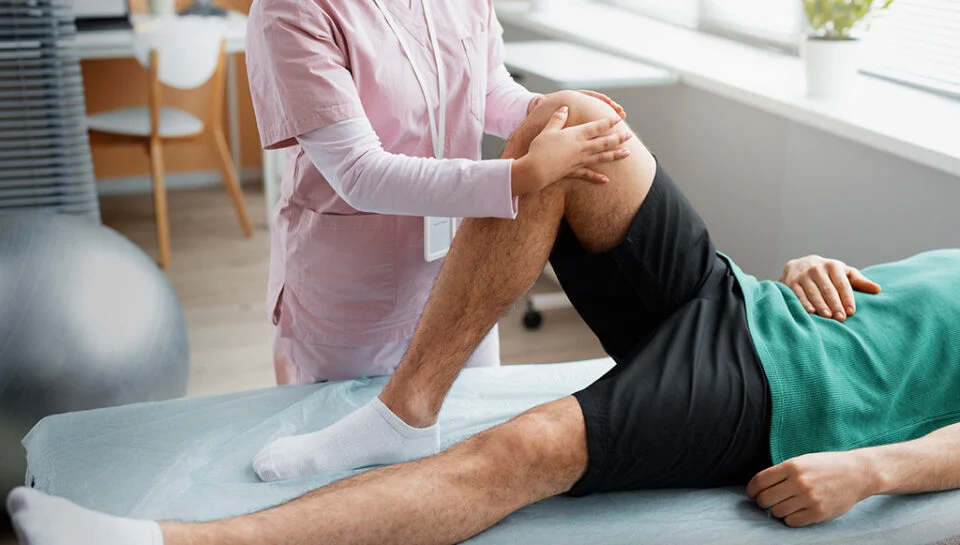

Knee replacement surgery involves removing damaged parts of the knee joint and replacing them with artificial components. This procedure is designed to alleviate pain and improve joint function. Following the surgery, a structured rehabilitation program helps in the recovery process. Here is some information about the role of physical therapy in knee replacement rehabilitation:
Restoring Range of Motion
Stiffness and swelling in the knee joint are common after surgery, which can make it difficult to bend or straighten your leg. Regaining your range of motion is a gradual process, and a physical therapist works with you to demonstrate stretches and movements that target this stiffness. You might begin with gentle heel slides, which help increase your knee’s flexibility without putting pressure on the surgical site. Over time, exercises progress to more challenging movements, such as assisted knee bends or stationary bike use under supervision. Regular monitoring means your therapist can adjust your routine to match your recovery, without forcing your knee too quickly. Restoring the range of motion of your knee supports basic activities, such as getting out of a chair or climbing stairs.
Strengthening Muscles
Muscle weakness often develops in the weeks or months before surgery and during the healing process. The quadriceps and hamstring muscles, which support the knee, can become noticeably weaker from disuse or pain avoidance before surgery. Physical therapy uses targeted strengthening to rebuild this support system. You may learn to perform isometric exercises, such as tightening your thigh muscles while keeping your leg still. These exercises allow you to activate muscle groups safely, even while you are recovering in bed.
As recovery continues, the therapist introduces more advanced strengthening, such as seated leg lifts, straight leg raises, or resistance band exercises. Standing or balance exercises may also be part of your plan to improve joint stability. Strong muscles around your knee help protect your joint and improve your ability to bear weight and move safely. The therapist will walk you through the correct technique to prevent strain, offering clear feedback and adapting exercises based on your progress and comfort.
Teaching Safe Movement
Learning how to move safely after knee replacement is a key focus of physical therapy. Everyday activities such as walking, standing, or stepping over thresholds require movement strategies that protect your new knee. A physical therapist provides direct instruction and demonstrates how to use assistive devices to help you navigate your home or community safely. Movement lessons also include practical advice, such as placing supportive shoes at the bedside, keeping pathways clear, and installing railings and grab bars where needed. Practicing safe transitions, like getting in and out of bed, can increase your independence. This helps reduce the risk of falls and helps you gradually build self-reliance in daily routines.
Reducing Pain
Pain and swelling are commonly present in the days and weeks after knee replacement. Physical therapy includes several approaches to help you manage this discomfort. Techniques such as gentle stretching, cold therapy, and elevation of the leg are often used to address pain and swelling. Your therapist may also use massage or teach you how to position your leg to promote fluid drainage and circulation.
Sharing your pain levels helps your therapist adjust the exercises to your needs each day. When you know strategies to ease discomfort, you feel more in control of your recovery. Being able to manage pain helps you participate fully in exercises that build strength and flexibility.
Schedule Your Knee Replacement
A successful recovery from knee replacement surgery takes patience and a clear plan. Physical therapy offers a structured, supportive path that focuses on your body’s needs at each stage of recovery. Working closely with a trained therapist provides you with practical strategies to build strength, move safely, and manage discomfort. If knee pain or joint problems are impacting your life, contact an orthopedic clinic and schedule a consultation.