
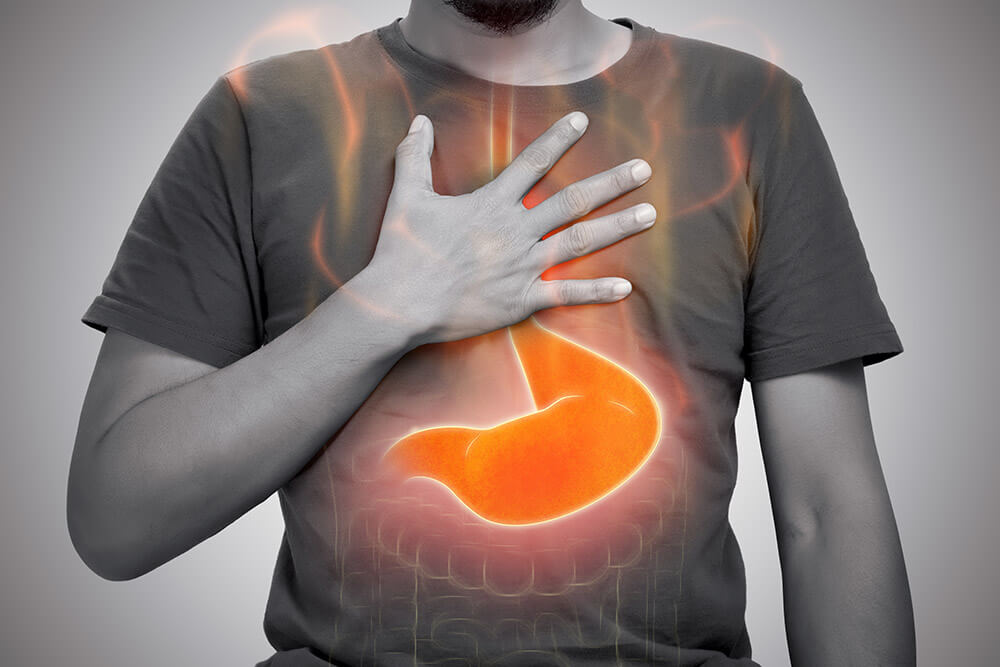

Gastroesophageal reflux disease (GERD) is a condition affecting the digestive system. It occurs when stomach acid frequently flows back into the esophagus, and this backwash, or acid reflux, often irritates the esophageal lining. Here is some information about acid reflux and gastroesophageal disorders:
Impact of Acid Reflux
Persistent acid reflux may lead to several health issues that affect daily life. The esophagus is not designed to handle repeated contact with stomach acid, so frequent exposure often results in inflammation or esophagitis. People with esophagitis typically experience symptoms such as heartburn, regurgitation of food or sour liquid, persistent coughing, and throat irritation. If inflammation is unaddressed, it might damage the esophageal lining and result in further complications, including:
- Esophageal strictures: Scar tissue may accumulate in the esophagus over time, leading to a narrowing that makes swallowing more difficult or painful. Food might feel stuck or move slowly through the esophagus.
- Ulcers: Ulcers can cause discomfort, chest pain, or bleeding, which is noticed in vomit or stool.
- Barrett’s esophagus: In this condition, the tissue lining the esophagus changes, becoming similar to the tissue found in the intestine. Barrett’s esophagus is associated with an increased risk of esophageal cancer.
Some people experience additional symptoms such as hoarseness, frequent sore throat, or a persistent cough. Nighttime reflux may cause disrupted sleep due to pain or coughing. Children with acid reflux might display symptoms differently, such as trouble eating, unexplained crying, or poor weight gain.
Causes of Reflux
Acid reflux develops when the lower esophageal sphincter (LES), a muscular valve at the bottom of the esophagus, does not function properly. The LES should open to let food enter the stomach and close tightly afterward. When the LES weakens or relaxes at the wrong time, stomach contents flow back into the esophagus.
Many factors contribute to a malfunctioning LES. Foods known to relax the LES include chocolate, peppermint, fatty or fried foods, and drinks like coffee or alcohol. Eating large meals or lying down soon after meals may make it easier for acid to move upward.
Physical conditions can also increase the risk. Being overweight or obese places additional pressure on the abdomen and stomach, which may force acid upwards. Pregnancy can also increase abdominal pressure, making reflux more common. Hiatal hernia, a condition where the upper part of the stomach pushes through the diaphragm, tends to weaken the LES and promote reflux. Understanding what triggers an individual’s symptoms helps target lifestyle changes and effective treatment.
Treatments for Reflux Disease
Lifestyle modifications are often a first line of defense for reflux disease. Patients are usually advised to eat smaller, more frequent meals and to avoid foods or beverages that worsen their symptoms. Identifying which foods trigger your reflux and avoiding them can help alleviate discomfort. It may also help to stop eating two to three hours before lying down or going to sleep.
Nonprescription antacids can be effective for occasional symptoms. These medicines neutralize stomach acid, providing quick but temporary relief from discomfort. Other common medications include H2 blockers and proton pump inhibitors (PPIs), which decrease the body’s production of acid. If symptoms do not improve or complications arise, surgery is often recommended to reinforce or repair the LES.
Visit a Digestive Specialist Today
Learning about acid reflux and its role in gastroesophageal disorders gives you a foundation for managing your health. If you are experiencing frequent heartburn, chest discomfort, trouble swallowing, or other ongoing symptoms, support is available. A digestive specialist helps pinpoint the cause of your symptoms and enables you to explore effective treatment options. Your doctor will listen to your concerns and work with you to develop a practical management plan. Contact a gastroenterologist to schedule an appointment.