
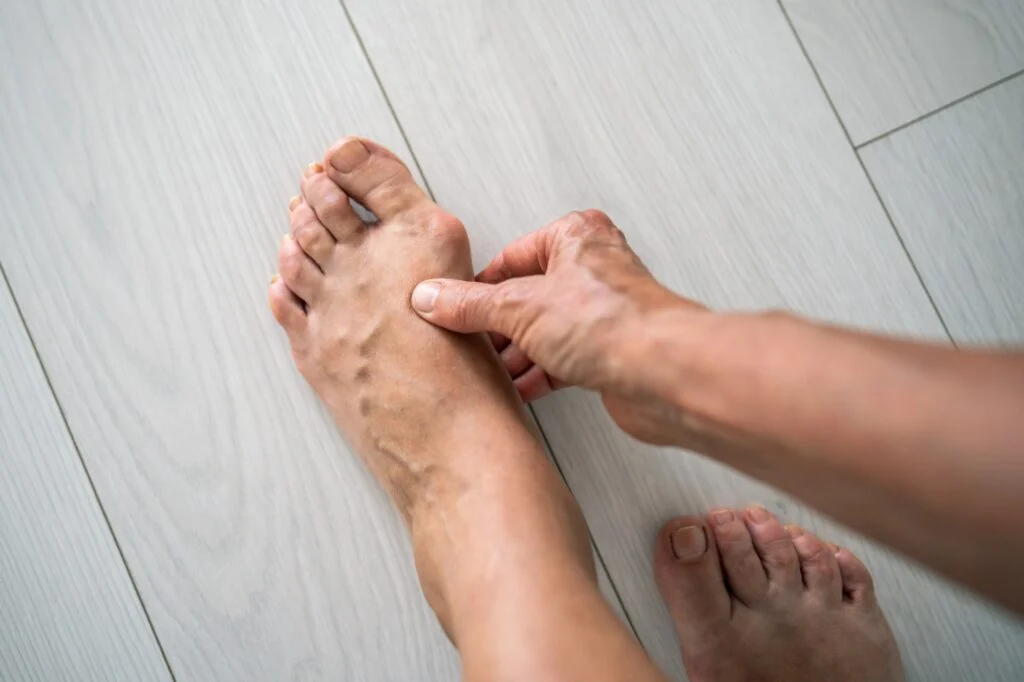

Varicose veins are swollen, twisted veins that are visible just under the surface of the skin. They usually appear in the legs, but they can form elsewhere. While many people view them as a cosmetic issue, they sometimes point to underlying circulation concerns. Understanding why they develop and the potential complications of leaving them untreated can help you make informed decisions about your health.
What Causes Varicose Veins?
Varicose veins develop when tiny valves inside your leg veins weaken or become damaged. These valves are key for pushing blood back to your heart against gravity. When they don’t function correctly, blood can pool in the vein, causing it to stretch and swell. Several factors increase your likelihood of developing them, often by putting extra strain on your veins or affecting the health of the vein walls.
- Age: The risk increases with age due to natural wear and tear on the vein.
- Family history: Having family members with varicose veins may increase your risk.
- Gender: Women are more prone to developing the condition, partly due to hormonal changes.
- Pregnancy: The increased blood volume and pressure from a growing uterus may contribute to their formation.
- Standing or sitting for long periods: This can make it harder for blood to flow upward from your legs.
- Obesity: Extra weight puts added pressure on your veins.
These factors can weaken the vein walls and damage the valves that regulate blood flow. Over time, the poor circulation may lead to the visible, bulging veins associated with this condition. Paying attention to these risk factors offers insight into why varicose veins might be developing.
Why Should They Be Treated?
Addressing varicose veins goes beyond cosmetic preference. Treatment may alleviate uncomfortable symptoms that often accompany them. Many people experience aching, heaviness, or throbbing in their legs. These feelings can worsen after long periods of standing or sitting, impacting daily activities and overall comfort.
Treatment also helps improve circulation in the affected limbs. When blood pools in the veins, it isn’t circulating efficiently. This can lead to swelling in the ankles and lower legs. By managing the condition, you support better blood flow, which can reduce swelling and relieve the discomfort associated with it. Taking action helps maintain leg health and comfort.
What Happens if You Wait?
Ignoring varicose veins may seem harmless at first, but delaying treatment may lead to more significant problems in the future. It’s necessary to understand these potential issues so you can make informed decisions about your health. Waiting can cause several complications, including:
- Skin Changes: Over time, the constant pressure from pooled blood leads to changes in the skin. You might notice it becoming discolored, often turning a brownish or reddish hue. The skin can also become dry, itchy, and thin, making it more vulnerable to injury.
- Leg Ulcers: In more advanced cases, open sores or ulcers can form, typically near your ankles. These are different from regular sores; they can be quite painful and take a very long time to heal due to poor circulation in the area.
- Superficial Thrombophlebitis: This is when a blood clot develops in a vein just beneath the skin’s surface. It can cause redness, tenderness, and inflammation in the affected vein.
These potential complications highlight why it’s beneficial to address varicose veins proactively. Understanding these risks empowers you to seek treatment before minor discomfort escalates into more serious health concerns.
Consult a Specialist
Understanding your varicose veins and recognizing the significance of addressing them is a proactive step for your health. A specialist can assess your specific situation and discuss personalized options based on your symptoms and medical history. This consultation empowers you to learn about different approaches and create a plan to manage your veins effectively, supporting your long-term well-being.