

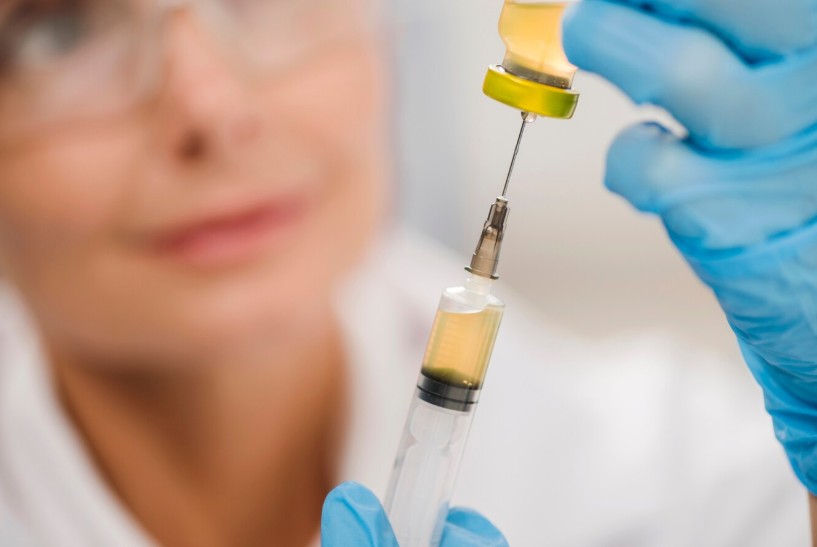

Stem cell therapy is an area of regenerative medicine that harnesses the body’s natural repair processes, and it relies on stem cells, which can differentiate into various cell types. By targeting damaged or degenerated tissues and organs, stem cell procedures aim to support repair, replacement, or restoration at the cellular level. Here are some potential benefits of stem cells in regenerative medicine:
Regenerates Tissue
Unlike specialized cells in the body, stem cells have not yet taken on a specific function. This allows them to transform into a variety of cell types, including muscle, nerve, cartilage, and blood cells. Stem cells respond to signals in their environment, and these signals guide their development in ways that promote targeted repair. In orthopedic care, stem cells could aid in rebuilding cartilage for individuals with joint injuries or improve healing in difficult-to-repair bone fractures. This process leverages the cells’ ability to transform and their tendency to interact with other cells and support healing.
Reduces Pain and Inflammation
Stem cell therapy has a potential impact on pain and inflammation management. When tissues are injured, the body’s inflammatory response is activated to begin the healing process. Inflammation can persist, and this often contributes to discomfort or limited mobility. Some stem cells release compounds, such as cytokines and growth factors, that soothe and regulate the inflammatory process. These compounds interact with the immune system and promote a balanced response at the injury site.
In sports medicine, stem cell therapies may help calm chronic inflammation in conditions like tendonitis or mild osteoarthritis. Some individuals report improved joint comfort or reduced swelling after treatment. Sports injuries that could be managed with stem cells include:
- Rotator cuff tears
- Meniscus tears
- Knee osteoarthritis
- Tennis elbow
Provides a Non-Invasive Option
Stem cell therapy presents a non-invasive or minimally invasive alternative to surgery for some conditions. The therapy does not require large incisions or lengthy hospital stays, but is commonly performed as outpatient injections. This allows you to return home shortly afterward, reducing interruptions to your daily life. Injections are typically guided by ultrasound or other imaging tools to verify accurate placement of stem cells in or near the affected tissue.
A less invasive treatment reduces potential risks associated with surgical interventions, such as infection, prolonged rehabilitation, or anesthesia complications. The shorter recovery time allows patients to return to daily activities more quickly, and it also minimizes disruptions to work or family life. An athlete recovering from a soft-tissue injury may pursue stem cell options, as this helps support natural recovery without surgical downtime.
Schedule Stem Cell Therapy
Stem cell therapy is an evolving field of regenerative medicine, offering support for tissue regeneration, reducing pain and inflammation, and providing non-invasive treatment options. This therapy focuses on helping the body use its own restorative properties under medical supervision. Medical teams use lab testing and imaging procedures to identify the cause of discomfort, and then they develop a personalized treatment plan. Contact an orthopedic clinic today to schedule a consultation and determine if this therapy is right for you.