
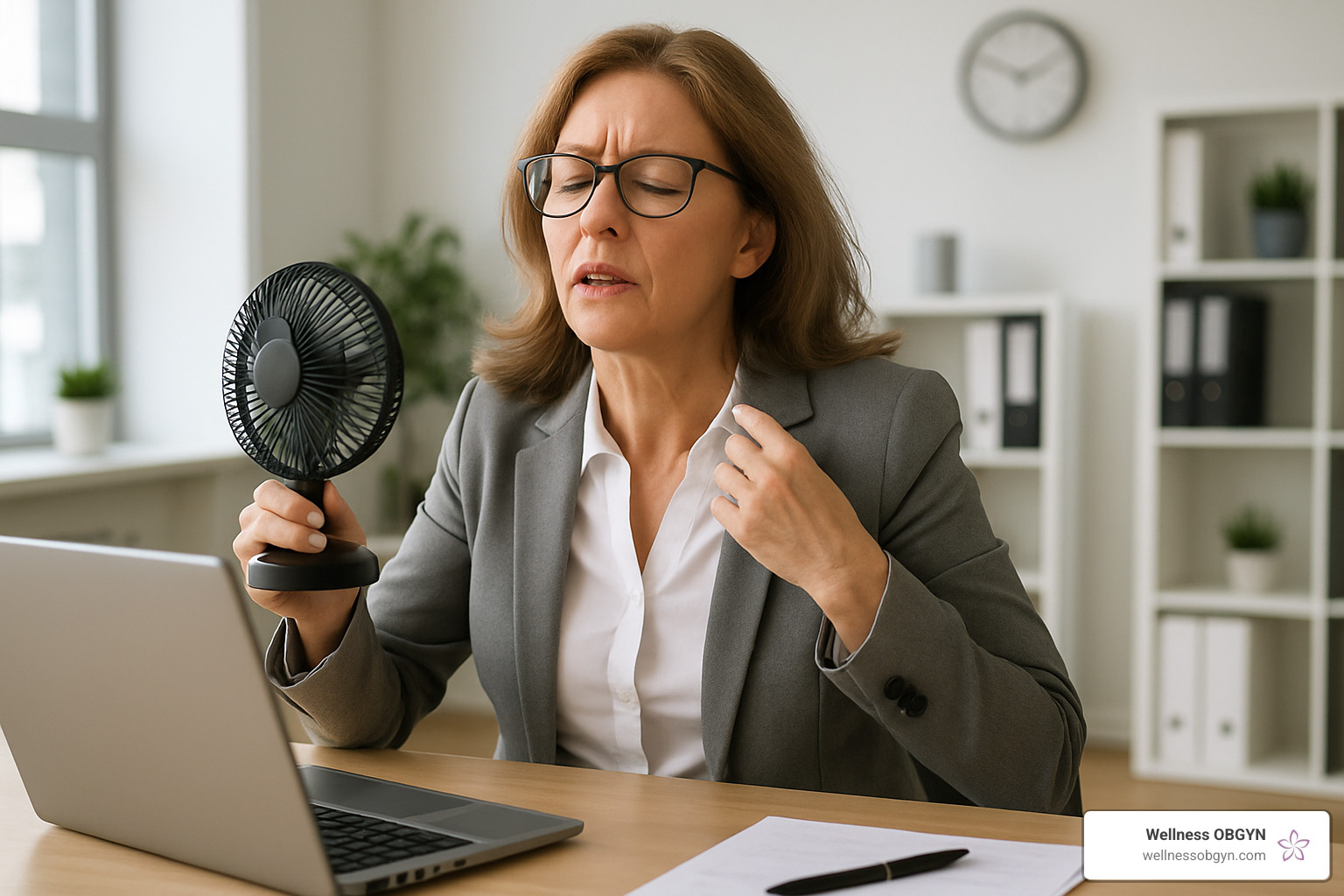

Menopause marks the end of menstrual cycles, a natural biological process all women experience as they age. This transition, known as perimenopause, often begins several years before the last period occurs, and fluctuating hormone levels can trigger physical and emotional changes. Here are some strategies for a smoother transition into menopause:
Start Hormone Therapy
Hormone therapy (HT) is a common approach for managing symptoms during menopause. This method involves taking medications that supply the body with estrogen and progesterone, hormones that naturally decline as menopause approaches. Some options for HT include:
- Oral tablets
- Skin patches
- Topical gels
- Sprays
- Vaginal creams
Women who experience moderate to severe symptoms, such as intense hot flashes, night sweats, or severe vaginal dryness, may find that HT offers relief. For some, improvements in sleep disturbances and overall quality of life are supported by a structured HT regimen. A healthcare provider will review your medical history and existing risk factors to help you determine whether HT is a good fit for you. Ongoing monitoring and regular follow-ups are key, as adjustments to dosage or delivery method may become necessary as your symptoms change.
Integrate Mind-Body Approaches
Mind-body practices provide a practical way to address both the physical and emotional challenges that come with menopause. These strategies encourage daily habits that foster a more positive outlook and greater resilience. Mind-body approaches such as yoga, meditation, tai chi, and deep breathing help bridge the connection between mental and physical health, which can feel strained during this transition.
Engaging in yoga can help reduce muscle tension and promote relaxation. Gentle stretching and controlled breathing may lessen feelings of anxiety that accompany hormonal changes. Meditation might help ground your thoughts, ease stress, and support a sense of calm.
Developing a consistent mind-body routine is achievable for many people. You might start with a few minutes a day and gradually increase your commitment as you notice the benefits. These practices do not replace medical treatment but provide an additional layer of self-care to help you manage change.
Take Science-Based Herbal Supplements
Some women use herbal supplements for additional support in managing menopause-related symptoms. Black cohosh may help ease hot flashes and sleep disturbances. Red clover contains isoflavones that are structurally similar to estrogen, and they have been studied for their possible impact on hot flash frequency. When adding herbal products to your wellness routine, quality and evidence matter. Choose supplements from reputable producers and look for products that have been tested for safety and accurate labeling. Discuss new supplements with your healthcare provider before starting, as herbal products may interact with prescription drugs or underlying health conditions.
Visit a Menopause Specialist
Seeking care from a menopause specialist gives you access to expertise focused on this stage of life. They are experienced in addressing menopausal concerns and remain up to date with the latest research. Your initial evaluation may include a detailed discussion of symptoms, medical history, and lifestyle factors affecting your transition. Lab tests or additional assessments might be recommended to fully understand your needs. If you are facing challenges during menopause, contact a provider to schedule a consultation today.