
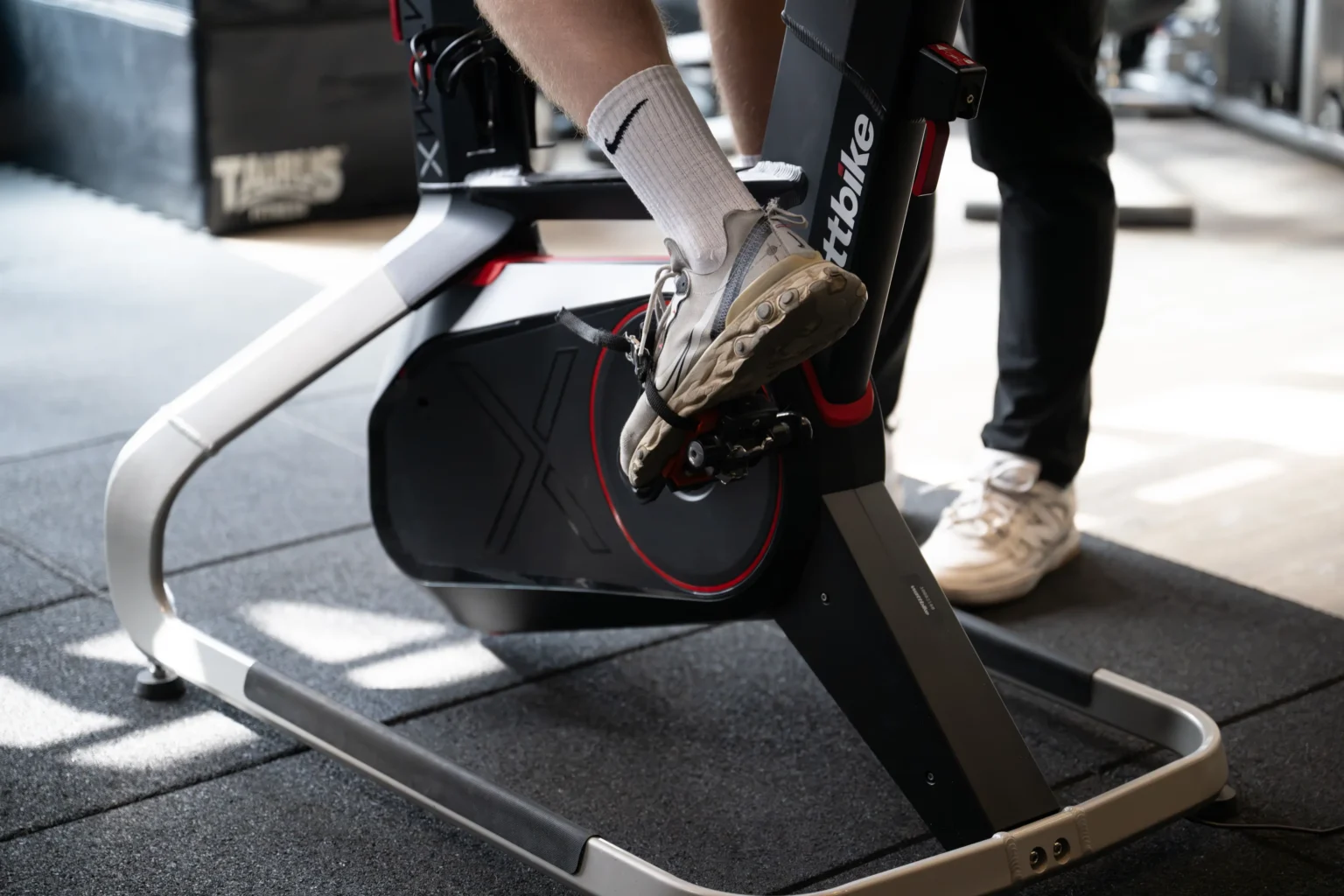

An exercise stress test helps your doctor learn how your heart responds to physical activity, and it requires some exertion. While your heart is monitored, this test involves walking on a treadmill or riding a stationary bike. Taking a few simple steps beforehand will get you ready for the test. Here is more information about preparing for this type of test:
Ask About Medications
You may need to adjust your medications before the test. Some drugs, especially those that lower your heart rate, might be paused. Your doctor can provide specific instructions for any prescription or over-the-counter medications you take. To be prepared, bring a list of your current medications to your appointment.
Follow your doctor’s advice on what to take and what to skip on the day of the test. Before your appointment day arrives, you will want to have clear directions. This planning avoids confusion and helps the medical team get an accurate reading of your heart’s function.
Avoid Caffeine and Alcohol
Certain substances interfere with test results, so you will need to abstain from them. Before your test, do not consume any products containing caffeine. This includes coffee, tea, soda, chocolate, and some pain relievers. You also need to avoid alcohol during this period.
These substances affect your heart rate and blood pressure. Accurate readings may depend on your heart responding only to the exercise, not to outside stimulants. Read labels on food and drinks if you are unsure about their caffeine content. For the best results, stick to water and avoid these items completely.
Failing to abstain from these substances could result in an inaccurate test result. If that happens, you might need to reschedule the appointment. The medical team needs a clear picture of your heart’s response to physical stress alone, and other substances should not be involved.
Wear Loose Clothing
Your comfort during the test is typically a priority. Because you will be exercising, wear clothes that allow you to move freely. Clothing should be light and breathable, and here are a few suggestions for what to wear:
- Loose-fitting T-shirt
- Comfortable pants or shorts
- Athletic shoes, such as sneakers
Restrictive or heavy clothing may make exercising more difficult. Since you will be moving for a period of time, comfortable attire allows you to complete the test without distraction. Choose clothing you would normally wear for a brisk walk or a light jog.
Bring an Extra Shirt
You will likely sweat during the exercise stress test. An extra shirt may help you feel more comfortable afterward, and you will be glad to have a dry option. You can change before you leave the facility. This simple step may make the experience smoother.
Schedule an Exercise Stress Test
Following these simple guidelines supports a smooth testing process for both you and your care team. When you arrive prepared, you help the team gather the information they need about your heart health. If you have questions about your heart or think you may benefit from this evaluation, speak with your healthcare provider. Contact a heart specialist today to learn more or to schedule an exercise stress test.