

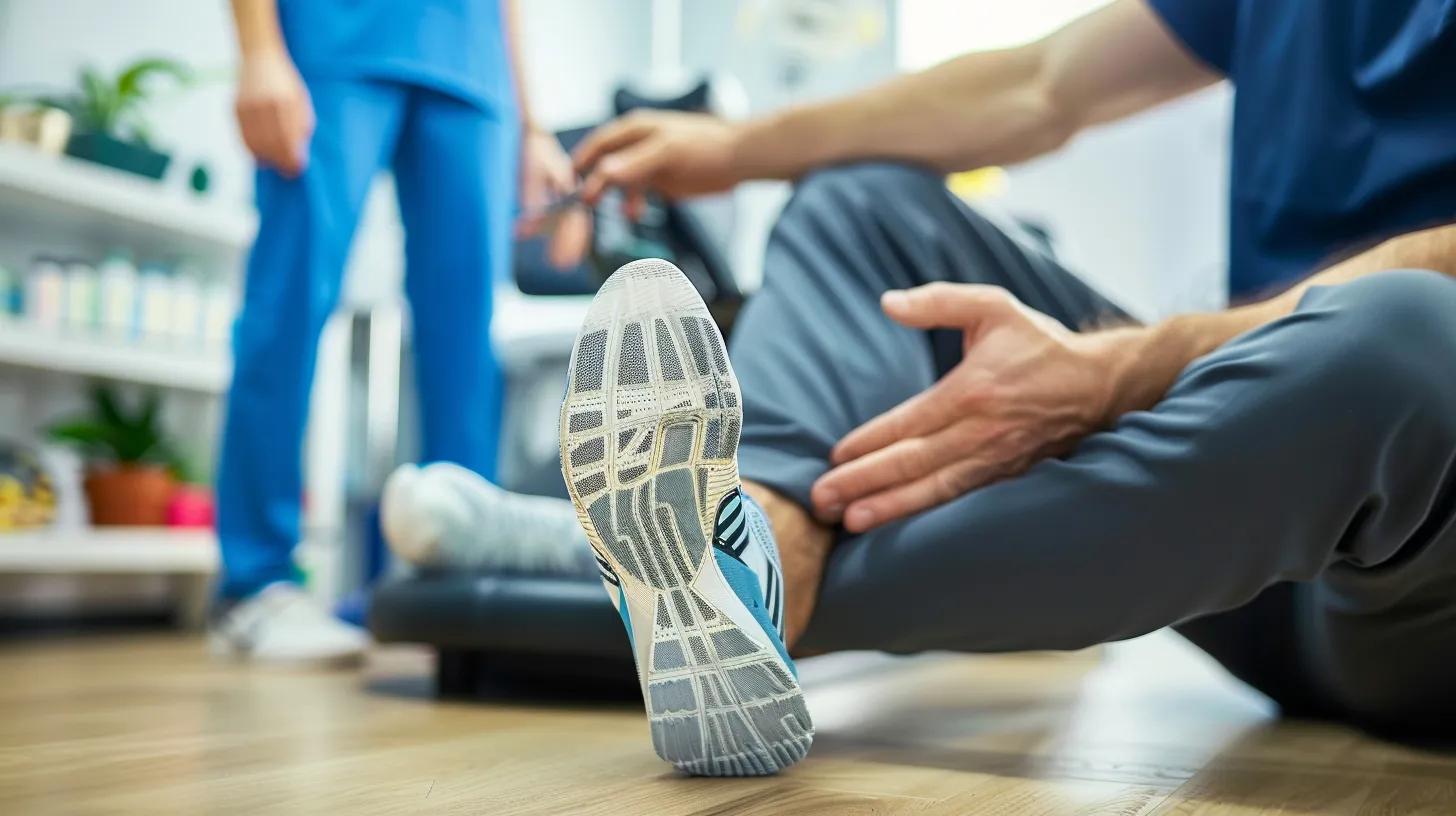

Chronic leg pain can interfere with daily activities, affecting mobility and overall quality of life. This persistent discomfort may manifest as aching, throbbing, cramping, or burning sensations in one or both legs. Vascular conditions, which affect the body’s network of blood vessels, are a frequent source of chronic leg pain that can develop over time.
What Causes Leg Pain?
Leg pain is any discomfort felt between the groin and the ankle. It can range from a dull ache to a sharp, stabbing sensation. While injuries or nerve issues may cause pain, vascular problems are a common underlying factor. When blood vessels in the legs become damaged or diseased, it can lead to pain and other symptoms.
One common vascular cause is Chronic Venous Insufficiency (CVI). This condition occurs when the veins in the legs struggle to send blood back to the heart. Valves within the veins that prevent backward blood flow become weakened or damaged, causing blood to pool in the lower legs. This pressure buildup can lead to pain, swelling, varicose veins, and skin changes.
Another vascular condition linked to leg pain is Peripheral Artery Disease (PAD). PAD is characterized by the narrowing of arteries that supply blood to the limbs. This narrowing is typically caused by a buildup of fatty plaques on the artery walls. Reduced blood flow means the leg muscles do not receive enough oxygen, which can cause cramping and pain, particularly during physical activity like walking.
How Is It Managed?
Managing chronic leg pain often involves lifestyle modifications to improve circulation and reduce strain on the legs. Regular physical activity can strengthen leg muscles and promote better blood flow. Exercise helps the calf muscles pump blood more effectively out of the legs and back toward the heart. Maintaining a healthy weight is another key component of management. Excess weight places greater pressure on the veins and circulatory system, which may worsen symptoms of CVI and other vascular conditions. Dietary adjustments can also support vascular health.
Simple daily habits may make a difference. Elevating the legs above heart level for 30 minutes several times a day can help reduce swelling and improve venous blood flow. Avoiding long periods of sitting or standing also prevents blood from pooling in the lower extremities.
How Is It Medically Treated?
When lifestyle changes are not sufficient to manage chronic leg pain, medical treatments may be necessary. In cases of CVI, a number of minimally invasive procedures may be offered. Sclerotherapy involves injecting a solution into varicose or spider veins, causing them to collapse and fade. Endovenous thermal ablation uses laser or radiofrequency energy to close off a damaged vein, rerouting blood to healthier veins.
For individuals with PAD, treatment focuses on managing risk factors and improving blood flow. Medications may be prescribed to lower blood pressure, reduce cholesterol, and prevent blood clots. Procedures such as angioplasty or stent placement might be performed to open narrowed arteries and restore adequate circulation to the legs.
Seek Professional Medical Care
A comprehensive diagnosis is the foundation for effective management of chronic leg pain. A physician may perform a physical examination and may order diagnostic tests. Based on these findings, a personalized treatment plan can be developed to address your specific needs and guide you toward alleviating discomfort and improving your vascular health.