

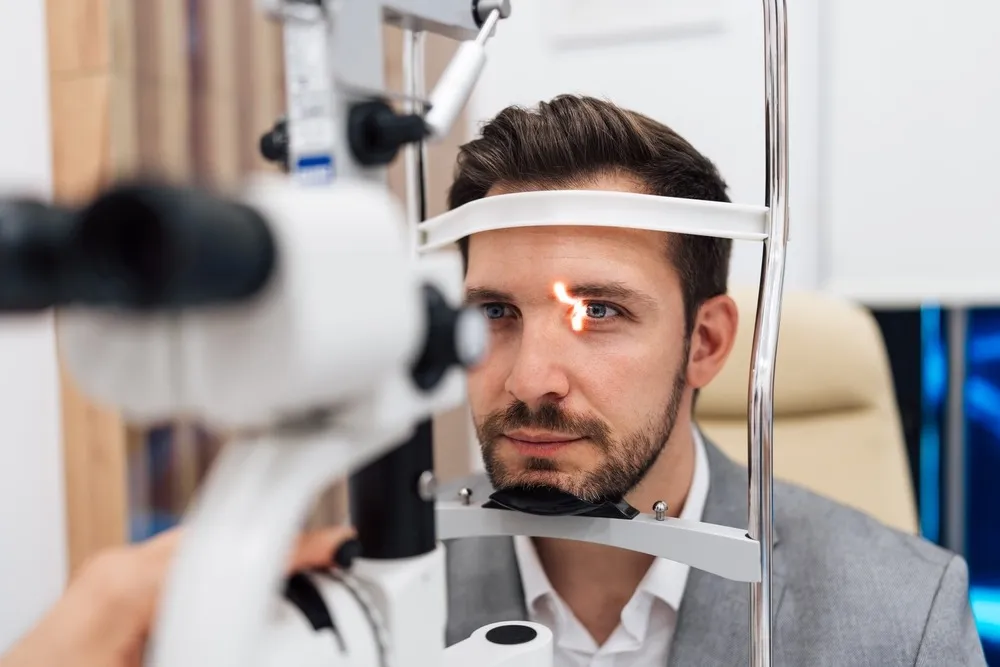

A comprehensive eye examination does more than assess vision. It provides a non-invasive way to assess the health of blood vessels, nerves, and other tissues inside the eye. The condition of these structures may reflect the status of systems throughout the body. An optometrist can detect early signs of various health conditions, sometimes before other symptoms appear, by looking through this unique window. This makes routine eye exams a valuable component of a person’s general health maintenance strategy.
Why Are Eye Exams Necessary?
Regular eye exams are a proactive measure for health preservation. The eyes contain small blood vessels and the optic nerve. During an exam, an eye doctor can directly view these elements without surgery. Detecting signs of health issues early enables timely management and intervention.
Many eye diseases, such as glaucoma, diabetic retinopathy, and macular degeneration, often present with no symptoms in their initial phases. By the time a person notices a change in their vision, the condition may have already progressed. Routine exams can identify these conditions before they cause irreversible damage, allowing for treatment that can slow or halt their progression. This preventative aspect of eye care helps safeguard both vision and broader physical well-being.
Who Are They For?
Eye examinations are recommended for individuals of all ages. The specific frequency and types of tests may vary based on age, risk factors, and overall health. For adults without specific risk factors, periodic exams help monitor vision changes and screen for developing conditions.
People with certain health conditions, such as diabetes or high blood pressure, or those with a family history of eye disease, may require more frequent and specialized evaluations. Likewise, adults over 65 should have regular exams to screen for age-related eye conditions such as cataracts, glaucoma, and macular degeneration. Following a schedule recommended by an eye care professional supports ongoing health monitoring.
What Do They Involve?
A comprehensive eye exam consists of a series of tests designed to evaluate vision and check for eye diseases. An eye doctor will begin by reviewing your personal and family medical history. A visual acuity test using a standardized eye chart measures the clarity of your vision at different distances. An assessment can determine the appropriate lens power needed to correct any refractive errors, such as nearsightedness, farsightedness, or astigmatism.
Other procedures assess eye health. A glaucoma test typically involves measuring the pressure inside your eyes. The doctor will also examine the external and internal parts of the eye. This may include using a special magnifying lens to inspect the retina, optic nerve, and blood vessels at the back of the eye. The combination of these evaluations provides a complete picture of your eye health.
Book an Appointment With an Optometrist
Scheduling a routine eye examination is a straightforward step toward managing your health. An optometrist can perform a comprehensive assessment, provide prescriptions for corrective lenses, and detect a wide range of eye conditions. Should the exam reveal signs of a systemic health issue, the optometrist can communicate these findings to your primary care physician, facilitating coordinated care.