

A bunion is a common foot deformity that can affect daily mobility and comfort. This condition is characterized by a bony bump forming at the base of the big toe. It can often lead to swelling, redness, and persistent discomfort during movement. While severe cases may require surgical intervention, many individuals find relief through conservative care techniques aimed at managing symptoms and slowing progression.
Understand Bunion Causes
A bunion develops when some of the bones in the front part of your foot move out of place. This pulls the tip of the big toe toward the smaller toes and forces the joint at the base to stick out. Genetics often plays a role in foot structure, but tight shoes can make the problem worse. Years of abnormal motion and pressure on the MTP joint cause permanent misalignment.
Reduce Daily Pressure
Managing the daily strain on your feet helps control discomfort. Minor adjustments to your routine can make a difference in how your feet feel by the end of the day.
- Use Protective Padding: Non-medicated bunion pads or cushions act as a buffer between your foot and your shoe, preventing friction and reducing direct pressure on the tender joint.
- Modify Activity Levels: If standing or walking for long periods exacerbates your symptoms, try to take frequent breaks to elevate your feet and reduce swelling.
- Apply Ice Packs: Applying an ice pack to the affected area for 10-15 minutes after a long day can help soothe inflammation and numb the soreness.
Choose Supportive Footwear
The shoes you choose to wear every day have the most direct impact on your comfort and the progression of the bunion. Footwear that is too tight, too narrow, or has a high heel forces the toes into an unnatural position, which increases pressure on the joint. You should look for shoes with a wide toe box that allows your toes to wiggle freely without constriction. Soft, flexible materials like leather or canvas are preferable because they stretch slightly to accommodate the shape of your foot.
Strengthen Foot Muscles
Weak foot muscles can contribute to instability, which may worsen the alignment issues associated with bunions. Engaging in specific exercises can help maintain flexibility and strengthen the muscles that support your arches and toes.
- Toe Grips: Place small objects, such as marbles, on the floor and practice picking them up with your toes. This helps to build dexterity and strength in the forefoot.
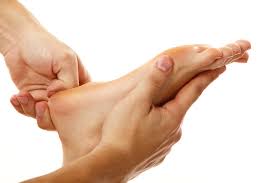
- Toe Stretches: Gently pull your big toe into proper alignment with your hands, then hold for 10 seconds, repeating this several times to maintain joint flexibility.
- Heel Raises: While standing barefoot, slowly lift your heels off the ground, then lower them back down to strengthen your arch and calf muscles.
Take Control of Bunion Care
Managing this condition requires a consistent approach to foot health and a willingness to adapt your lifestyle habits. Understanding the causes and using strategies like proper footwear and exercises can help minimize discomfort. Conservative care often manages symptoms, allowing many to stay active without surgery. If pain persists, consult a specialist to explore treatment options.