

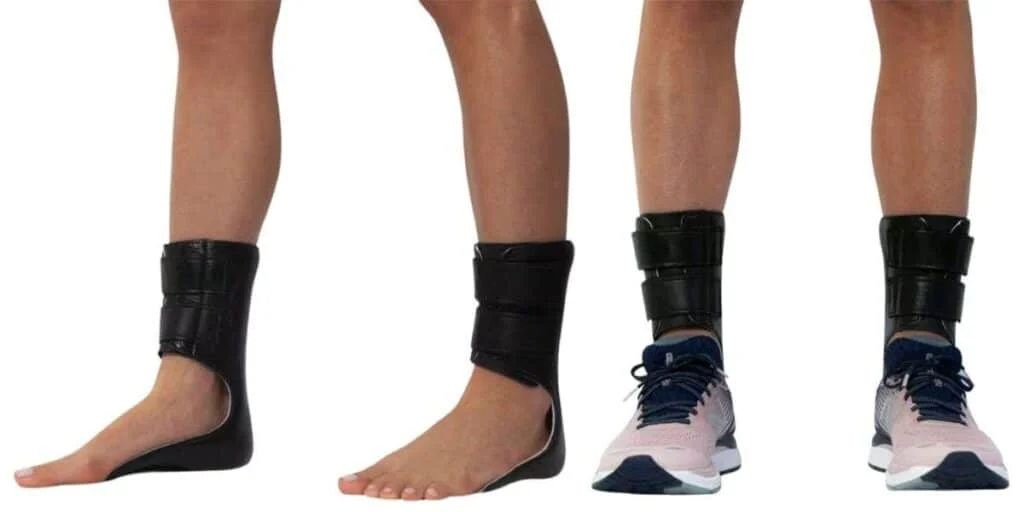

Many people have low arches, also known as flat feet. This condition occurs when the entire sole touches the ground when standing. While some individuals experience no discomfort, others find that flat feet can cause aches and affect daily activities. Addressing this condition early may offer several advantages for your overall comfort and mobility. Exploring the benefits of prompt attention can help you understand your options for managing foot alignment and function.
Why Seek Treatment Early?
Addressing flat feet sooner rather than later can be a proactive step toward maintaining your body’s alignment. When your feet lack proper arches, it may alter how you walk and stand. This change can create a chain reaction, affecting joints and muscles further up your body.
Early intervention often focuses on simple, non-invasive methods. These approaches are designed to support the foot’s structure and improve mechanics during movement. The goal is to provide a solid foundation for the rest of the body.
- Improved Support: Early treatment includes the use of supportive devices, such as orthotics. These inserts help distribute pressure evenly across your feet, providing stability where the arch is low.
- Better Body Alignment: By addressing the foundation, you help align your ankles, knees, and hips. This alignment can reduce strain on these joints during everyday activities like walking or standing.
- Muscle Strengthening: Specific exercises can target the muscles in your feet and lower legs. Strengthening these muscles provides natural support for the arches.
By focusing on these areas early, you give your body a better chance to adapt. This approach helps you build strength and stability from the ground up. It sets the stage for better movement patterns over the long term.
What Problems Might It Prevent?
Addressing flat feet early might prevent future discomfort and potential complications. Since the body is interconnected, poor foot support can lead to misalignment, strain, and pain in other parts of the body. Taking action promptly helps maintain proper mechanics, supporting an active and pain-free lifestyle. Consulting a specialist can provide personalized guidance to keep your feet and overall alignment in check.
- Ankle pain
- Knee discomfort
- Hip strain
- Lower back aches
These are common areas where people with flat feet sometimes report feeling discomfort. Supporting your arches can help your body stay in a more natural alignment, reducing stress on these connected structures. Taking preventative steps may support your long-term joint wellness and mobility.
How Fast Can Pain Improve?
The timeline for improvement in foot discomfort may vary from person to person. Factors like the specific treatment approach and consistency play a role. Some people notice a difference almost immediately after using custom orthotics or supportive footwear. The new support can instantly correct alignment and relieve pressure points.
For others, improvement may be more gradual. If a treatment plan includes exercises and stretches, it will take time to build muscle strength and flexibility. Consistency with these exercises is key to seeing results. You may begin to feel subtle changes within a few weeks, with more significant improvement over several months. Listening to your body and following the recommended plan will guide your progress.
Consult a Flat Feet Specialist
Understanding the benefits of addressing flat feet early is a good first step. A specialist can offer a thorough evaluation of your foot structure and gait and provide personalized recommendations tailored to your specific needs and lifestyle. Taking proactive measures can support your comfort and help you stay active. If you have concerns about your feet, seeking professional guidance can provide you with clarity and a path forward.