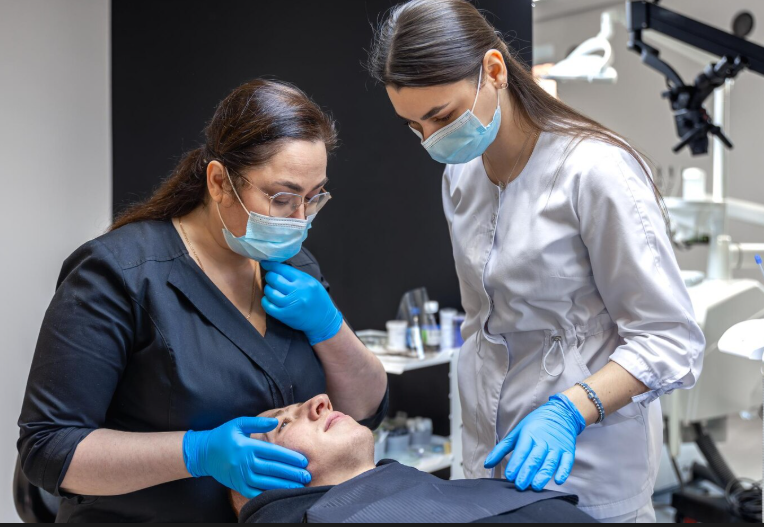

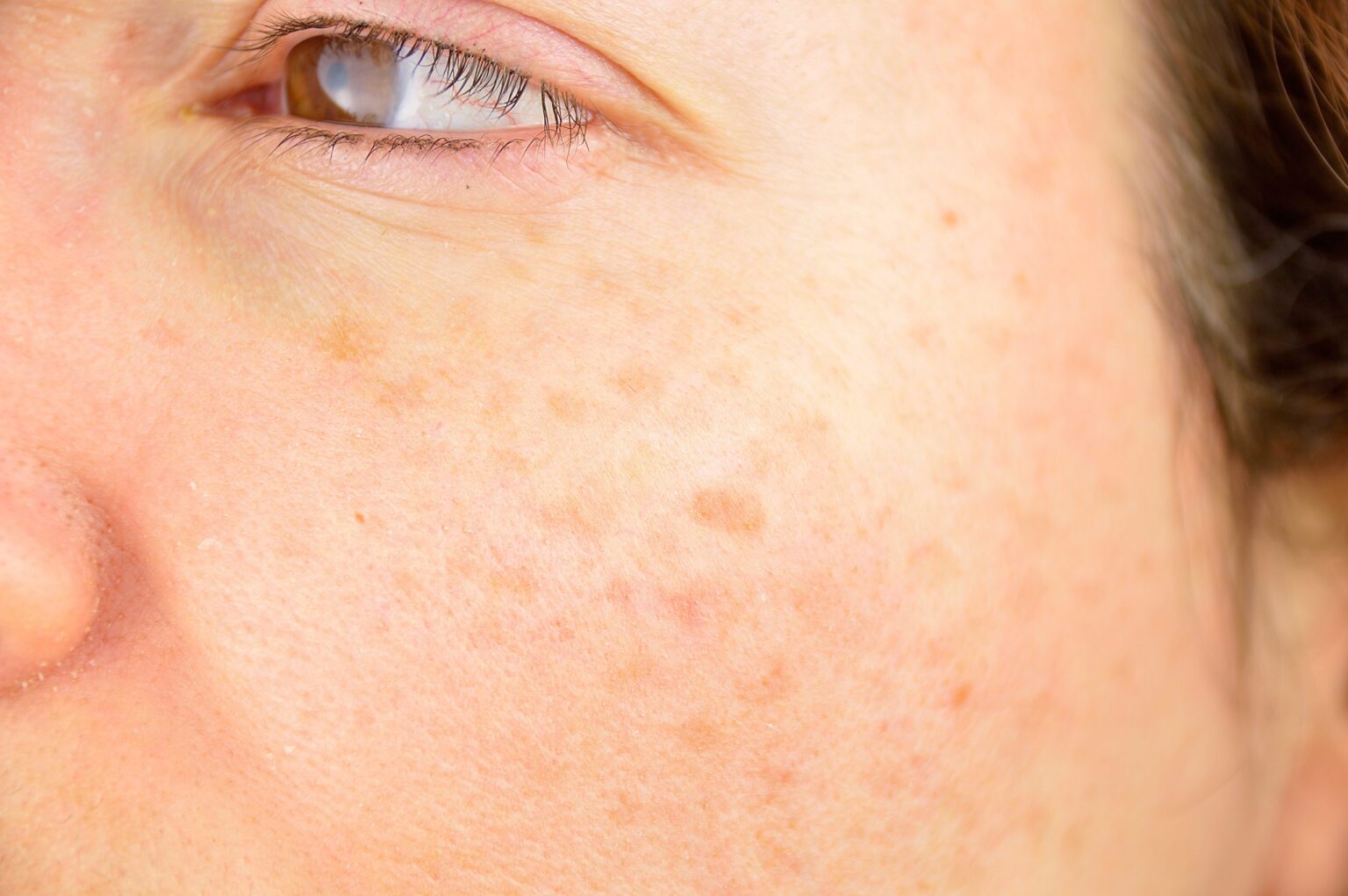

Skin naturally changes over time, and regular exposure to ultraviolet light accelerates this process through a mechanism known as photoaging. Many people notice gradual changes in texture, tone, and elasticity as they age. Dermatologists understand the challenges of changing skin, and they offer multiple approaches to address these common concerns. Dermatology focuses on assessing the exact condition of your skin to recommend appropriate, targeted interventions. Skin care professionals evaluate factors like collagen depletion, moisture loss, and pigmentary changes. Using this assessment, they develop structured plans to help manage visible signs of aging and sun damage.
Topical and Surface Treatments
Surface-level interventions often serve as a foundational step in addressing visible skin changes, and these dermatology treatments target the outermost layers of the skin. These interventions are designed to improve uneven pigmentation, fine lines, and rough textures caused by years of environmental exposure. Dermatologists frequently recommend a carefully monitored combination of home care and in-office procedures.
Common surface treatments include:
- Prescription retinoids: These topical applications encourage cellular turnover to address fine lines and uneven tone.
- Chemical peels: Professionals apply specific chemical solutions to safely remove damaged outer layers of the skin, revealing smoother tissue beneath.
- Laser therapy: Concentrated light devices target pigmentation irregularities and encourage structural support within the upper layers of the skin.
These methods work progressively over time. A professional evaluates your specific tolerance levels to select the most appropriate surface treatment, helping you experience minimal irritation while managing your skin concerns.
Injectable Treatments
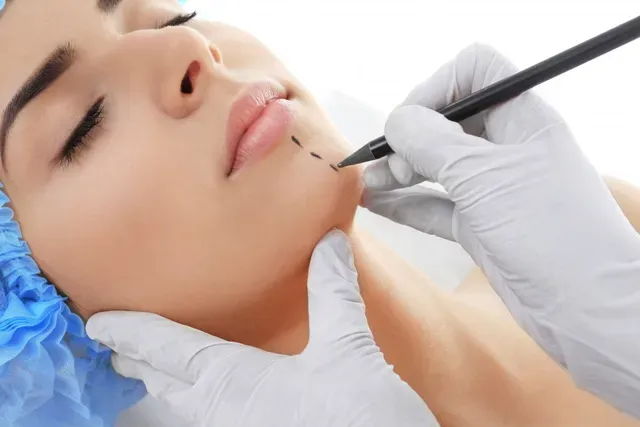
When surface treatments alone do not meet your goals, dermatologists may suggest procedures that address underlying structural changes. As skin ages, it naturally loses volume and structural proteins such as collagen and elastin. Injectables and physical interventions are designed to target these deeper alterations beneath the surface. Neuromodulators are focused injections that temporarily relax specific facial muscles, helping to soften the appearance of dynamic wrinkles. Dermatologists often use dermal fillers, a gel-like substance, to restore fullness in areas where you have lost volume, such as the cheeks and around the mouth. Each of these professional interventions requires precise application and is tailored to your unique anatomical structure, and this approach helps adjustments appear balanced and natural rather than drastic.
Preventive and Protective Care
Addressing existing concerns is only one aspect of professional skin care, and dermatology emphasizes prevention and ongoing protection to help minimize further changes and support skin health over time. Consistent daily habits, such as using broad-spectrum sunscreen, form the foundation of any effective long-term strategy. Applying sunscreen each day helps shield skin from both UVA and UVB rays, which are known to contribute to premature aging.
Beyond sun protection, dermatologists often recommend incorporating antioxidant serums with ingredients like vitamin C into your daily regimen. These products help protect the skin from environmental stressors at the surface. Another step is scheduling regular professional skin exams, and these visits allow early identification of significant sun damage so that concerns can be addressed promptly before they progress. By combining sun protection, supportive products, and routine check-ups, you create a proactive approach to maintaining skin health. This routine also helps reduce the cumulative impact of ultraviolet exposure.
Ask About Dermatology Treatments Today
Managing aging skin and sun damage requires a clear, informed approach. Over-the-counter products offer some benefits, but professional evaluation provides a clearer understanding of your specific needs. A trained specialist can map out a practical timeline for interventions and help you navigate the various options available to you. If you notice changes in your skin texture, tone, or elasticity, schedule a consultation with a provider. Ask your dermatologist any questions about your condition or the recommended treatments. Prioritize your skin health, and take the next step toward a structured, professional care plan today.
- Tips for Maintaining Spinal Health Through Chiropractic Care
- How to Choose the Right Sports Medicine Specialist for Your Needs
- The Connection Between Hair Loss Treatment and Overall Scalp Health
- What to Expect in a Session with a PTSD Therapist
- Exploring Ingredients and Formulations in White Label Health and Beauty Products