
Finding a suitable medical professional requires an understanding of your specific skin care needs. A dermatologist specializes in treating issues related to the skin, hair, and nails, and they provide both medical and cosmetic procedures. Regular medical attention maintains skin health over time. Here is more information on dermatology:
What Is a Dermatologist?
A dermatologist is a medical doctor with extensive training in diagnosing and treating skin disorders. These healthcare professionals treat acne, eczema, psoriasis, and rosacea, and they diagnose and treat skin cancers, including melanoma. Dermatologists also address issues like hair loss, nail disorders, and infections. Their work involves both medical and surgical treatments to manage these conditions effectively.
What Services Do They Offer?
Dermatologists provide a wide range of services to maintain and improve skin health. They perform regular skin screenings to detect abnormalities, and they conduct biopsies to diagnose skin cancer. These preventive services protect patients from severe health complications and facilitate the development of personalized care plans.
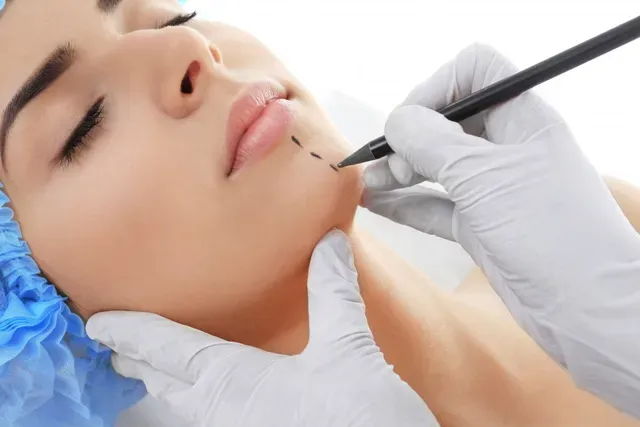
These specialists also offer a range of therapeutic and cosmetic procedures to their patients. They administer chemical peels to treat acne scars, and they use laser therapy to remove unwanted pigmentation. Patients can also receive prescription medications to manage chronic conditions effectively. Surgical interventions are available for removing cysts or malignant tumors.
What Conditions Do They Treat?
Patients consult dermatologists for numerous acute and chronic skin conditions. These physicians treat common problems like acne and rosacea, and they manage severe disorders such as psoriasis and eczema. They evaluate symptoms to develop an appropriate treatment plan for each patient, which helps prevent further physical discomfort.
Dermatologists also diagnose and treat conditions affecting the hair and nails. They identify causes of alopecia and prescribe treatment. Addressing these issues promptly may prevent permanent damage to the affected areas. Medical specialists understand the complex relationship between systemic health and dermatological symptoms, enabling accurate diagnoses.
What Does a Consultation Involve?
A standard dermatology consultation begins with a comprehensive review of your medical history. The doctor asks about your current symptoms and reviews any medications you are taking. This background information guides the subsequent physical examination, and patients should bring relevant medical records to this initial appointment.
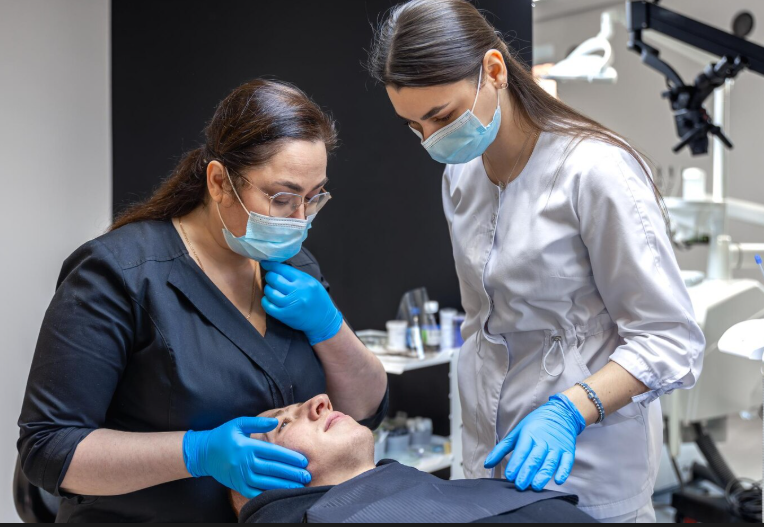
During the physical exam, the dermatologist inspects your skin closely for any irregularities. They use specialized magnifying tools to examine moles, and they document any areas of concern for future monitoring. The visit concludes with a discussion of diagnostic findings and treatment recommendations. Doctors will prescribe necessary medications or suggest specific lifestyle changes at this time.
How Is Professional Care Beneficial?
Seeking care from a certified dermatologist provides patients with accurate diagnoses and evidence-based treatments. Over-the-counter products may fail to resolve severe skin issues, whereas prescription medications directly target the underlying causes. This professional intervention may reduce the risk of long-term scarring or systemic complications. Medical professionals track changes in your skin over time to catch abnormalities early, which helps protect your long-term physical well-being.
Find a Dermatologist Today
Selecting the right medical professional requires careful evaluation of their expertise and services. Schedule an initial consultation to discuss your skin health and evaluate the clinic’s environment. Doing this helps protect your overall well-being, and it establishes long-term dermatological care. Professional medical support is available for your skin care needs.
- Tips for Maintaining Spinal Health Through Chiropractic Care
- How to Choose the Right Sports Medicine Specialist for Your Needs
- The Connection Between Hair Loss Treatment and Overall Scalp Health
- What to Expect in a Session with a PTSD Therapist
- Exploring Ingredients and Formulations in White Label Health and Beauty Products