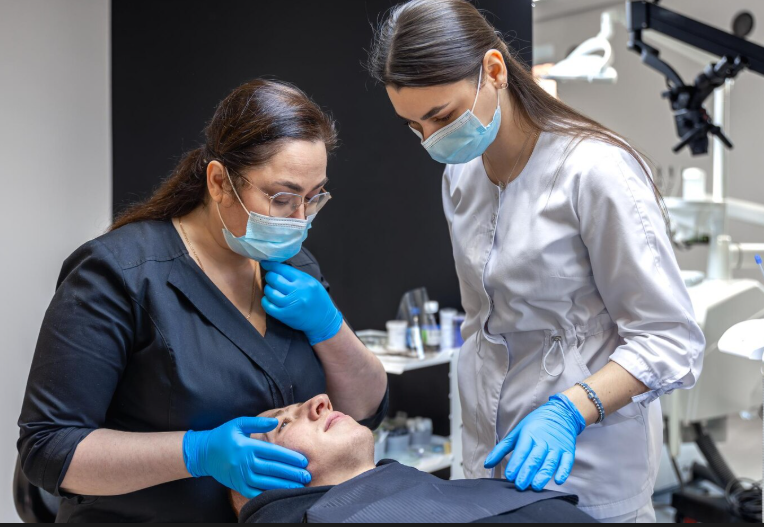



Dermatologists are medical specialists trained to diagnose and treat a wide range of skin conditions, and their expertise can make a difference in your skin’s long-term health. Regular consultations help you proactively address potential issues. Here is more information on these healthcare professionals and how regular consultations are beneficial for skin maintenance:
What Is a Dermatologist?
A dermatologist is a medical doctor who specializes in diagnosing and treating conditions affecting the skin, hair, and nails. Their training prepares them to diagnose and manage a wide range of conditions; this includes common issues like acne, eczema, and psoriasis, as well as more complex diseases such as skin cancer. They also address concerns related to hair loss and nail disorders. Dermatologists can prescribe medications and develop treatment plans tailored to a patient’s specific needs.
What Services Do They Offer?
Dermatologists offer a broad spectrum of services that span medical, surgical, and cosmetic care. They diagnose and manage skin diseases, perform skin biopsies, and conduct full-body skin exams, and they may also prescribe topical medications tailored to your condition. Cosmetic services include treatments such as chemical peels, laser therapy, Botox, and dermal fillers to address aesthetic concerns. Surgical services include the removal of moles, cysts, skin tags, and cancerous lesions.
What Conditions Do They Treat?
Dermatologists treat conditions affecting the skin, hair, and nails. Common skin conditions include acne, eczema, psoriasis, rosacea, and dermatitis, and dermatologists are also trained to identify and treat skin cancers such as melanoma, basal cell carcinoma, and squamous cell carcinoma. Hair and nail disorders, including alopecia, fungal nail infections, and scalp conditions, also fall within their area of expertise.
What Does a Consultation Involve?
A standard dermatology consultation typically begins with a review of your medical history and any current skin concerns. The dermatologist will then perform a physical examination of your skin, which may include a full-body skin check to identify abnormal moles, lesions, or areas of concern. They may use a specialized tool to examine suspicious spots more closely; this enables a comprehensive diagnosis.
Depending on their findings, the dermatologist may recommend further testing, such as a skin biopsy. They will discuss a treatment plan, and they may advise on an appropriate skincare routine suited to your skin type. Consulting a specialist helps improve a patient’s skin health and overall well-being.
How Are Regular Consultations Beneficial?
Routine dermatology visits enable early detection of skin conditions that may otherwise go unnoticed, and catching issues like skin cancer early helps improve treatment outcomes. Regular check-ups also create a documented record of your skin’s health over time. This makes it easier for your dermatologist to spot gradual changes that may indicate a developing condition.
Consistent care helps manage chronic skin conditions more effectively. Conditions like psoriasis and eczema often require ongoing treatment adjustments, and regular consultations allow your dermatologist to refine your treatment plan as your skin’s needs change. Patients who maintain routine visits may experience fewer flare-ups and better overall skin health. The guidance provided at each appointment supports more informed skincare decisions at home.
Schedule an Appointment Today
Dermatologists provide comprehensive care that addresses both the medical and aesthetic needs of your skin, and regular consultations are a practical way to maintain its health. From diagnosing chronic conditions to detecting early signs of skin cancer, these visits provide professional oversight that daily skincare routines cannot replace. Schedule a consultation with a qualified dermatologist to improve your skin health.