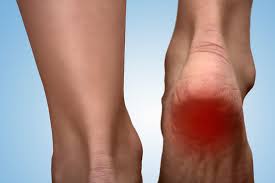

Heel pain can make everyday activities such as walking, standing, or exercising more difficult and uncomfortable. This symptom may develop for several reasons, including overuse, strain, inflammation, or underlying foot conditions that affect movement and support. Here’s a closer look at the common causes of heel discomfort and the available treatments:
Identifying Causes of Heel Pain
Several conditions are commonly identified as sources of heel pain. Plantar fasciitis is a common diagnosis; it involves inflammation of the plantar fascia, a thick band of tissue connecting the heel bone to the toes. Another cause is Achilles tendinitis, an inflammation of the Achilles tendon that links the calf muscles to the heel bone. Bursitis, the inflammation of fluid-filled sacs called bursae near the heel joint, often leads to localized pain and swelling. Stress fractures in the heel bone can cause significant heel discomfort.
Heel spurs are another potential finding associated with heel pain. A heel spur is a bony growth on the underside of the heel bone that develops over time. While the spur is often not the direct source of pain, it is often associated with chronic inflammation. Other less common causes include nerve-related issues, such as the compression of a small nerve in the foot.
Changing Daily Habits
Certain daily habits and lifestyle factors can increase stress on the heel and contribute to heel pain. Here are some common contributors:
- Inadequate Footwear: Shoes that lack proper arch support or cushioning, such as flat shoes or flip-flops, place extra strain on the plantar fascia.
- High-Impact Activities: Repetitive impact from activities like running or jumping, especially on hard surfaces, often overloads the heel.
- Occupational Demands: Jobs that require many hours of standing or walking, particularly on concrete floors, can lead to overuse injuries.
- Excess Body Weight: Carrying extra weight increases the force and pressure on the feet with every step.
Recognizing these factors is a key part of managing and preventing heel discomfort from occurring or recurring.
Exploring Non-Surgical Treatments
For some individuals, heel pain can be managed effectively with non-surgical approaches that focus on reducing inflammation and providing support. The RICE protocol, which stands for Rest, Ice, Compression, and Elevation, is a fundamental treatment for acute pain; it helps decrease swelling and offers immediate relief. Over-the-counter anti-inflammatory medications may also help manage symptoms, but you should use them as directed.
Performing gentle stretches for the calf muscles and the bottom of the foot can improve flexibility and reduce tension. Supportive devices can also provide substantial relief; orthotic shoe inserts improve foot alignment and provide cushioning. Night splints keep the foot in a stretched position overnight and can alleviate morning stiffness.
Knowing When Evaluation Helps
While some cases of pain in the heels improve with self-care measures, certain symptoms indicate that a professional evaluation is necessary. You should seek medical advice if you experience any of the following:
- Pain that is severe or does not improve after several weeks of home treatment.
- Inability to walk normally or bear weight on your affected heel.
- Swelling, redness, or warmth in the heel area, which could indicate an infection.
- Pain that is present even when you are not standing or walking.
- Any numbness or tingling sensation in the heel or foot.
A healthcare provider can perform an examination and may order imaging tests to determine the precise cause of your heel pain.
Book Your Heel Pain Appointment
Several strategies exist to help manage the discomfort associated with heel pain. Identifying the underlying condition and addressing contributing habits are key to finding relief. If your pain persists or worsens, a professional assessment can lead to a diagnosis and a personalized treatment plan. Contact a qualified orthopedic specialist near you to book an appointment for your heel discomfort and discuss your symptoms today.
- Tips for Maintaining Spinal Health Through Chiropractic Care
- How to Choose the Right Sports Medicine Specialist for Your Needs
- The Connection Between Hair Loss Treatment and Overall Scalp Health
- What to Expect in a Session with a PTSD Therapist
- Exploring Ingredients and Formulations in White Label Health and Beauty Products