

Lower back pain is one of the most prevalent musculoskeletal concerns, affecting individuals across age groups and activity levels. It can arise from a range of factors, including poor posture, muscle strain, degenerative changes, or underlying medical conditions. When left unaddressed, lower back pain may limit mobility and affect overall quality of life. Understanding effective management techniques can help individuals alleviate discomfort and support long-term spinal health.
Movement-Based Physical Rehabilitation Programs
Movement is key to recovering from lower back pain. Physical therapy uses targeted exercises to strengthen the muscles supporting your spine. These exercises also improve flexibility and reduce strain on your lower back, promoting better movement and pain relief. Water therapy is another effective option for lumbar spine pain, offering unique benefits. The buoyancy of water reduces joint and spine pressure, making it easier to exercise without discomfort. Both deep- and shallow-water therapy are safe ways to rebuild strength and mobility.
Ground-based exercises focus on strengthening the muscles that support your lumbar region. These dynamic movements address imbalances that often lead to back pain and help your body move more efficiently. Physical therapists create personalized programs to match your specific needs and physical abilities, ensuring effective recovery and long-term improvement.
Medical and Clinical Interventions
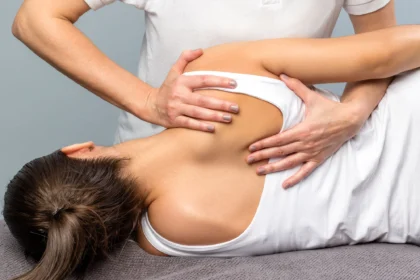
Chiropractic care can help with lower back pain. It addresses misalignments in your spine. Chiropractors use manual adjustments to improve spinal function. This can reduce nerve irritation as many people feel relief after a few sessions. Your treatment plan will depend on your condition. Advanced diagnostic tools also help find the root cause of your pain. Motion-capture technology and gait analysis show how your body moves, and reveal where problems start. This information guides treatment and tracks your progress.
A professional evaluation is key if the pain persists or worsens. Herniated discs, arthritis, and other conditions need proper diagnosis. Seek medical attention if you have numbness, tingling, or weakness in your legs. A proper diagnosis is necessary for effective treatment to get the right care for your specific issue.
Lifestyle and Ergonomic Adjustments
Your daily movements impact your lower back health. Poor posture strains your lumbar spine. Small changes in your habits can reduce pain and prevent future issues. Your workspace setup is also key. Adjust your chair so your feet rest flat on the floor. Position your computer monitor at eye level. These adjustments reduce stress on your lower back during work.
Custom orthotics can correct issues that cause lumbar discomfort. Poor foot support can affect your entire spine. AI-powered orthotics offer personalized support to improve your gait. This helps reduce strain on your back.
Complementary Preventive Care Approaches
Building core strength is necessary to protect your lower back from injury. Core muscles act as a natural brace for your spine, reducing the load on your lumbar region. To strengthen your core, include exercises that target your abdominal and back muscles in your routine. This helps stabilize your spine and lower your risk of injury.
Flexibility is just as necessary as strength for back health. Tight hip and leg muscles can pull on your lower back, causing pain and limiting movement. Regular stretching maintains a healthy range of motion and eases tension. Additionally, avoid heavy lifting when possible, and always use proper form when lifting objects.
Book Your Lower Back Pain Consultation
Managing lower back pain requires a comprehensive approach tailored to your specific needs. The combination of movement therapies, professional care, and lifestyle changes offers the best chance for lasting relief. Each person’s path to recovery is different.
If your discomfort has lasted more than a few days or is worsening, seek professional evaluation to identify the underlying cause and receive a thorough guide to effective solutions. Book an appointment with a chiropractor near you to start your personalized treatment plan and get back to the activities you enjoy.
- Tips for Maintaining Spinal Health Through Chiropractic Care
- How to Choose the Right Sports Medicine Specialist for Your Needs
- The Connection Between Hair Loss Treatment and Overall Scalp Health
- What to Expect in a Session with a PTSD Therapist
- Exploring Ingredients and Formulations in White Label Health and Beauty Products