

Complex regional pain syndrome (CRPS) affects the nervous system, and it may create intense, lasting pain. It typically develops after an injury, surgery, stroke, or heart attack, yet the pain remains out of proportion to the initial problem. Your nerves send incorrect signals to the brain, and this causes severe discomfort in your limbs. Here is more information about living with CRPS:
Taking Pain Medications
Over-the-counter drugs help manage mild symptoms, but stronger prescriptions treat severe flare-ups. To reduce inflammation and pain, you might need non-steroidal anti-inflammatory drugs (NSAIDs). Physicians may prescribe corticosteroids if nerve damage drives the pain signals. Opioids are sometimes necessary when other options fail to provide relief.
This approach targets the pain pathways directly. Antidepressants and anticonvulsants treat pain originating from damaged nerves, which typically occurs with CRPS. Your doctor will monitor your dosage carefully to prevent dependency issues.
Using Heat Therapy
Heat application increases blood flow to the affected area. Warm water soaks relax stiff joints, and heating pads soothe sore muscles. This method loosens tight tissues, which makes movement easier during daily activities. You must test the heat level carefully because nerve damage alters sensation.
Getting Physical Therapy
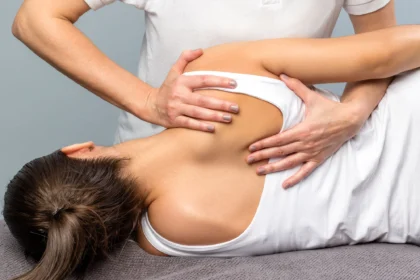
Physical therapy keeps the painful limb moving to improve blood circulation. Exercises maintain flexibility and strength, and they prevent the affected muscles from shortening. A therapist designs a specific regimen tailored to your capabilities.
Desensitization techniques play a significant role. You touch the affected limb with different textures, or you place it in water baths of varying temperatures. To do this, the process retrains the brain to process touch sensations normally.
Mirror therapy tricks the brain into thinking the painful limb moves painlessly. You place a mirror between your limbs, and you move the healthy limb while watching its reflection. The brain sees pain-free movement, which reduces pain perception. Graded motor imagery is another effective approach, where you first imagine moving the painful limb, then watch videos of similar movements, and finally attempt the movements yourself as your brain adjusts to the idea of pain-free motion.
Applying Topicals
Topical creams offer localized relief without systemic side effects. Lidocaine patches numb the area, or capsaicin cream reduces substance P in nerve endings. You apply these directly to the skin over the painful region.
Compound creams mix several medications into one base. A pharmacist creates a custom blend for your specific needs, and your doctor prescribes the exact formulation. These mixtures target multiple pain pathways simultaneously.
Topical treatments may help ease CRPS symptoms by:
- Reducing pain with ingredients like ketamine
- Calming nerve activity using gabapentin
- Improving blood flow through clonidine
- Alleviating discomfort with amitriptyline
Treatment plans vary widely between patients. Doctors evaluate your specific symptoms, and they create a personalized strategy for you. For some people, this customized approach yields the most effective results.
Get Treated for CRPS Today
Early intervention may improve the long-term outlook for CRPS significantly. You do not have to live with unmanaged pain, so seek professional help immediately. A pain specialist understands the complexities of this condition. You need a team that supports your progress, and you need access to the latest therapies. Contact a pain specialist clinic to schedule your consultation now.
- Tips for Maintaining Spinal Health Through Chiropractic Care
- How to Choose the Right Sports Medicine Specialist for Your Needs
- The Connection Between Hair Loss Treatment and Overall Scalp Health
- What to Expect in a Session with a PTSD Therapist
- Exploring Ingredients and Formulations in White Label Health and Beauty Products