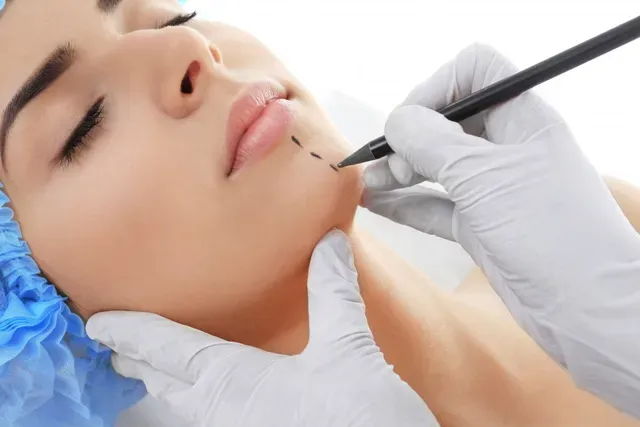


Botulinum toxin, commonly known as Botox, is widely recognized for its cosmetic applications in reducing the appearance of facial wrinkles. While its use in aesthetic medicine is well-documented, its therapeutic applications extend into various fields of healthcare. This substance offers a range of medical benefits by addressing the underlying muscular activity responsible for certain conditions.
What Is Botox?
Botox is a neurotoxin derived from Clostridium botulinum, a type of bacterium. It functions by temporarily blocking nerve signals in the muscles where it is injected. This action prevents the targeted muscles from contracting and leads to a temporary relaxation or paralysis of the muscle tissue.
The process involves a healthcare professional injecting small amounts of it directly into specific muscles. The effects are localized to the treatment area and are not permanent. These effect wears off over time, and muscle function gradually returns. This mechanism of action makes it a suitable treatment for conditions characterized by excessive or involuntary muscle contractions.
What Can It Address?
The therapeutic uses for Botox are diverse and address a variety of medical conditions unrelated to cosmetic concerns. Professionals may use it to manage chronic migraines, which are severe headaches that occur frequently. For individuals who experience migraines on 15 or more days per month, injections into specific muscles can help reduce the frequency and severity of the headaches.
Another common application is in the treatment of muscle spasticity. This condition involves stiff or rigid muscles and can occur with certain conditions. By relaxing the overactive muscles, injections may improve mobility, reduce pain, and make daily activities easier for patients. It is also used to manage cervical dystonia. This is a painful condition where neck muscles contract involuntarily, causing the head to twist or turn into an uncomfortable position.
Excessive sweating can also be addressed. When injected into the underarms, hands, or feet, the substance blocks the nerve signals that stimulate sweat glands and reduces the amount of sweat produced in those areas. Other applications include treating certain bladder dysfunctions, like an overactive bladder. It can also be used for eye conditions such as crossed eyes.
What Should You Expect?
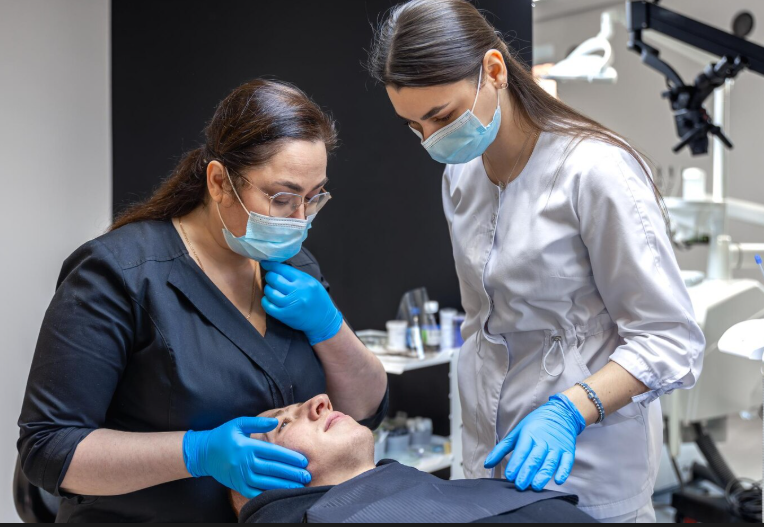
Receiving treatment with botulinum toxin is a clinical procedure performed by a qualified healthcare provider. The process typically begins with a consultation to discuss your medical history and determine if this treatment is appropriate for your specific condition. The number of injections will depend on the condition being treated and the size of the area.
Discomfort during the injections is usually minimal and brief. The procedure itself is relatively quick and may be completed within a matter of minutes. Following the treatment, you can typically resume your normal activities immediately, although your provider may give you specific post-procedure instructions. This may include avoiding strenuous activity for a short period.
The effects of the treatment are not immediate. It can take several days to a week to begin noticing the results, with the full effect becoming apparent within about two weeks. The benefits are temporary, generally lasting between four to six months, depending on the individual and the condition being treated. To maintain the results, follow-up treatments will be necessary.
Seek Professional Wellness Services
Navigating medical treatments requires guidance from experienced professionals. When exploring options for conditions like chronic migraines, muscle spasticity, or hyperhidrosis, it is best to consult with a specialist. A qualified physician can perform a thorough evaluation of your health status and symptoms to determine an appropriate course of action. They can explain the potential benefits and risks associated with any procedure, allowing you to make an informed decision about your care.
- Tips for Maintaining Spinal Health Through Chiropractic Care
- How to Choose the Right Sports Medicine Specialist for Your Needs
- The Connection Between Hair Loss Treatment and Overall Scalp Health
- What to Expect in a Session with a PTSD Therapist
- Exploring Ingredients and Formulations in White Label Health and Beauty Products