

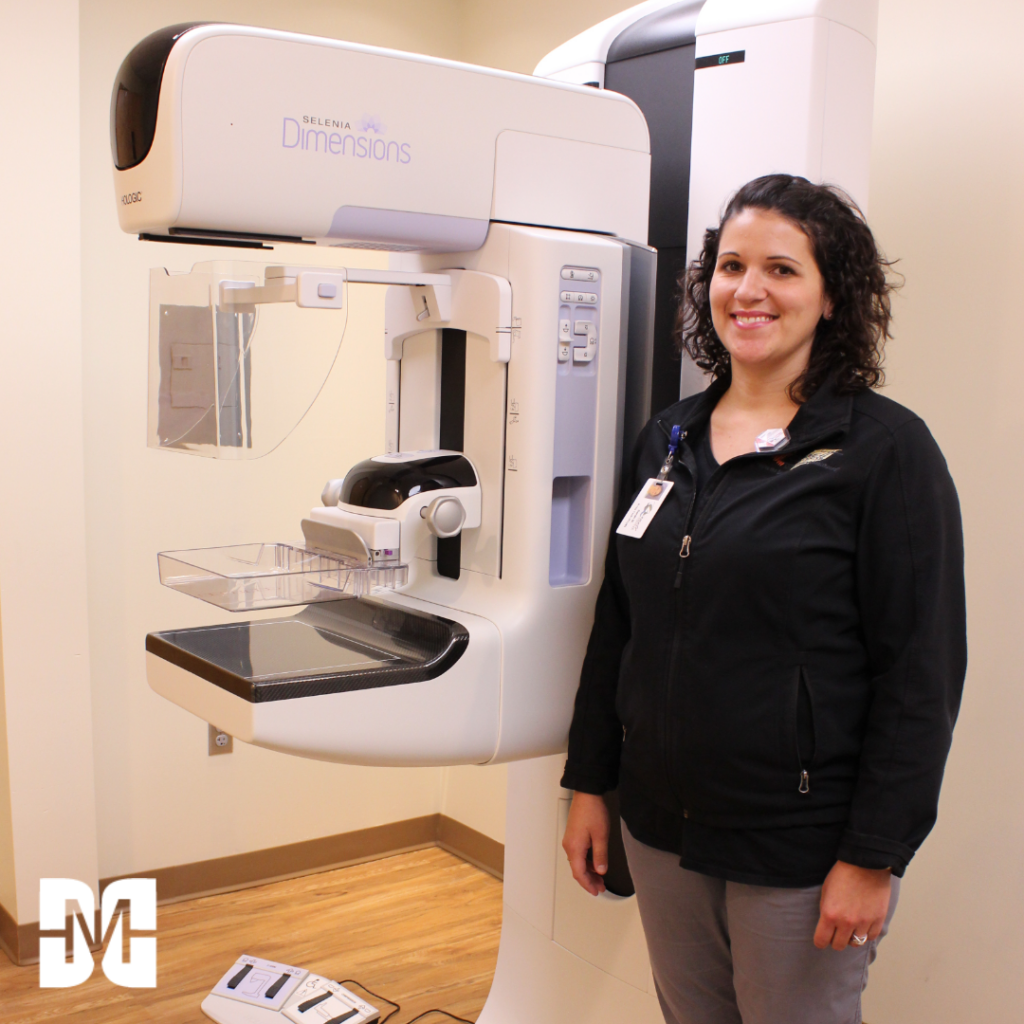

Advances in breast cancer care include more precise diagnostic tools, personalized treatment strategies, and therapies targeting specific cancer cell features. These developments support better identification of cancer types. This allows for tailored treatment plans and offers new methods that may reduce side effects while maintaining effectiveness.
What Is Breast Cancer?
Breast cancer develops when cells in breast tissue grow uncontrollably and form a tumor, which can invade nearby structures or spread to other parts of the body. While primarily affecting women, breast cancer can also occur in men. Most cases begin in ducts responsible for carrying milk to the nipple or in the glands that produce milk, though less common types exist.
What Are the Symptoms?
Breast cancer symptoms can vary. Some individuals may notice a change, while others do not display symptoms until an abnormality is found during screening. The most frequently observed sign is a new lump or mass, which may feel hard or irregular, but tenderness or a softer feeling lump can also be present.
Additional symptoms that may appear include:
- Swelling of part or all of a breast.
- Skin irritation or dimpling.
- Persistent breast or nipple pain.
- Inward turning of the nipple.
- Redness, scaliness, or thickening of the nipple or breast skin.
Early detection through self-observation or routine screening supports timely consultation with a healthcare provider.
How Is It Treated?
Surgery is a mainstay of local management, and options typically include lumpectomy or mastectomy. Radiation is used to destroy residual cancer cells in the breast. Advances such as partial breast irradiation localize treatment to the area affected by the tumor rather than the whole breast. Targeted techniques reduce exposure to healthy tissue, which may help limit side effects and treatment duration.
Systemic therapies are administered to reach cancer cells throughout the body, addressing the risk of spread. Targeted therapies focus on specific biological markers. In people with certain types of cancer, drugs that block certain proteins are used to interrupt cancer growth. Other targeted agents act on hormone receptor-positive cancers by interfering with cancer cell division and proliferation. Immunotherapy involves medications that encourage the body’s immune system to recognize and attack cancer cells. Checkpoint inhibitors used for some forms, especially triple-negative breast cancer, have broadened the scope of management for cases once limited in treatment avenues.
Genomic testing analyzes a tumor’s gene patterns to forecast the likelihood of cancer returning. The outcome of these assessments can aid medical professionals in recommending or omitting chemotherapy for certain patients. This approach to precision medicine pairs therapy options with the genetic profile of the individual’s tumor. Collaboration among cancer specialists is standard, with decisions based on tumor type, size, spread, and patient health status. Each management strategy is selected in alignment with clinical factors and biological characteristics.
Seek Professional Cancer Care
Advances in breast cancer treatment have produced more specific and effective management strategies. Professional evaluation is foundational to determining the most appropriate plan. If you notice any symptoms or have questions about your health, reach out to a qualified healthcare provider for a thorough assessment and guidance.
- Tips for Maintaining Spinal Health Through Chiropractic Care
- How to Choose the Right Sports Medicine Specialist for Your Needs
- The Connection Between Hair Loss Treatment and Overall Scalp Health
- What to Expect in a Session with a PTSD Therapist
- Exploring Ingredients and Formulations in White Label Health and Beauty Products