
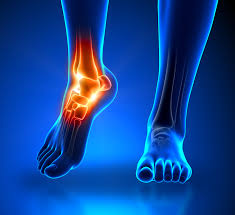

An ankle wound refers to any break or injury to the skin, tissue, or underlying structures of the ankle. These injuries range from minor scrapes that heal quickly to complex ulcers that require specialized medical intervention. Understanding the nature of these wounds is beneficial for adequate recovery and preventing complications.
What Is an Ankle Wound?
An ankle wound is broadly defined as any disruption to the integrity of the skin or tissues in the ankle region. This area includes the malleoli (the bony bumps on either side of the ankle), the Achilles tendon area, and the soft tissues surrounding the joint. Wounds may be complicated by the constant movement and pressure placed on the joint during walking or standing. Even seemingly minor injuries in this region require careful monitoring to prevent deterioration.
What Are the Different Types?
Ankle wounds are categorized based on their underlying cause and depth. Venous ulcers occur when veins have trouble sending blood back to the heart, leading to fluid buildup and skin breakdown. These are often shallow but can be large and difficult to heal without addressing the underlying circulation issue.
Arterial ulcers form when there is insufficient blood supply to the lower limb, often resulting in painful, pale lesions. Diabetic foot ulcers can also affect the ankle, arising from a combination of poor circulation and neuropathy (nerve damage). Traumatic wounds resulting from accidents, cuts, or abrasions are additional ankle injuries.
What Causes Them?
Chronic venous insufficiency (CVI) causes blood to pool in the lower legs, increasing venous pressure and weakening the skin until an ulcer forms. Peripheral arterial disease (PAD) restricts the flow of oxygen-rich blood to the tissues, leading to cell death and ulceration. External factors also play a role in the development of these wounds. Trauma from sports injuries, falls, or improperly fitting footwear can cause immediate tissue damage.
What Are the Symptoms?
Symptoms of an ankle wound extend beyond the visible break in the skin. Pain is a common indicator, although its intensity varies; arterial ulcers are typically painful, while diabetic ulcers may be painless due to nerve damage. Swelling (edema) around the ankle and lower leg frequently accompanies venous ulcers.
The appearance of the surrounding skin provides further diagnostic clues. Redness, warmth, or discharge typically signals an infection that requires immediate medical attention. In cases of venous issues, the skin may become discolored or hardened, while arterial issues often result in cold, shiny, or hairless skin around the ankle.
What Are the Treatment Options?
Effective treatment depends on diagnosing the underlying cause of the wound. Debridement is often the first step, where a healthcare provider removes dead or infected tissue to promote healthy cell growth. Following this, specialized dressings are applied to maintain the appropriate moisture balance and protect the area from bacteria.
Casting or bracing may be utilized to offload pressure from the wound site, particularly in cases of diabetic ulcers or traumatic injuries. Advanced therapies are available for wounds that are resistant to standard care. Skin grafting can cover large defects, while platelet-rich plasma (PRP) injections utilize the patient’s own blood factors to accelerate healing. In severe cases involving tendon or bone exposure, surgical repair may be necessary to restore function.
Seek Professional Care Today
Ankle wounds require professional assessment to determine the most effective course of action. If you notice signs of infection or if a wound fails to improve after a few days, consult a wound care specialist. A healthcare provider can tailor a treatment plan that addresses both the wound and any underlying conditions.
- Tips for Maintaining Spinal Health Through Chiropractic Care
- How to Choose the Right Sports Medicine Specialist for Your Needs
- The Connection Between Hair Loss Treatment and Overall Scalp Health
- What to Expect in a Session with a PTSD Therapist
- Exploring Ingredients and Formulations in White Label Health and Beauty Products