

Glaucoma is a serious eye condition that gradually affects vision without obvious early warning signs. Understanding its symptoms and available treatment options is fundamental for protecting long-term eye health. Here is what you should know about glaucoma symptoms and available treatment options:
What Is Glaucoma?
Glaucoma is a disease that damages the optic nerve, the part of your eye that sends visual information to your brain. This damage is the result of fluid buildup in the front part of the eye, a condition that increases intraocular pressure (IOP). As the pressure rises above normal levels, it slowly harms the optic nerve fibers and can lead to irreversible vision loss if left untreated. Many people are unaware they have glaucoma until significant vision loss has already happened.
What Are Its Key Symptoms?
Glaucoma is often called the “silent thief of sight” because it usually does not present symptoms in its early stages. When symptoms do appear, they often signal that the disease has progressed and damage has already occurred. Here are key symptoms not to ignore:
- Loss of Peripheral Vision: The most common sign is a gradual loss of side vision, which can create a tunnel-like field of vision.
- Blurred Vision: As the condition advances, overall vision may become hazy or blurred.
- Halos Around Lights: Some individuals may notice rainbow-colored circles around bright lights.
- Eye Pain and Redness: In less common forms of glaucoma, sudden and severe eye pain, accompanied by redness, can occur.
Assessing these symptoms helps to identify potential issues, but only a professional eye exam can confirm a diagnosis.
How Is Glaucoma Diagnosed?
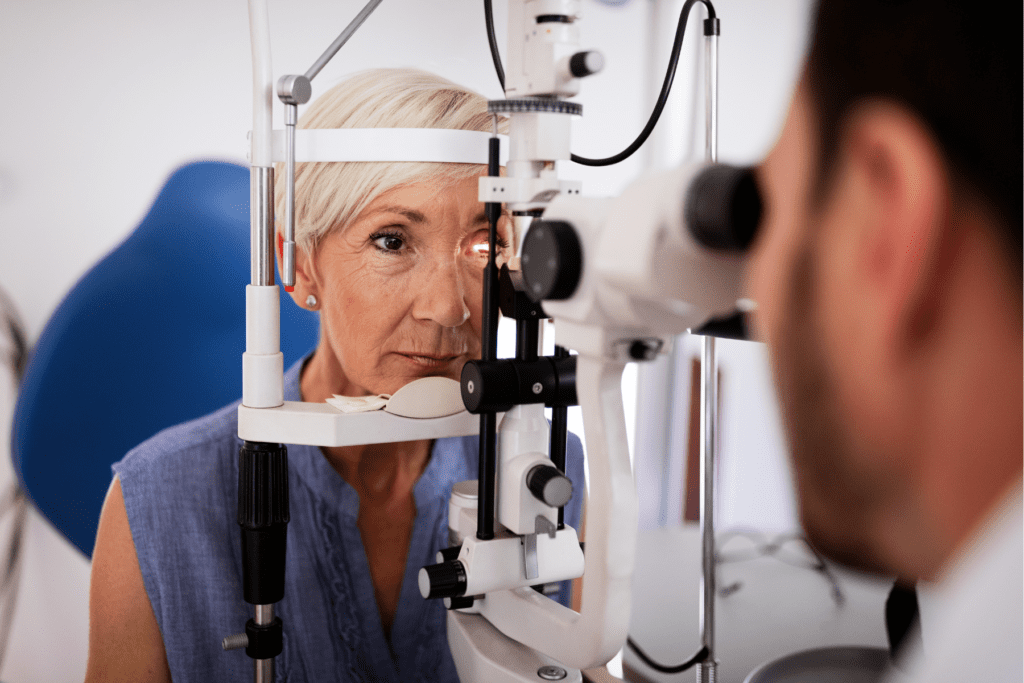
A comprehensive eye examination is the only definitive way to diagnose glaucoma, and this process involves several specific tests. An ophthalmologist will begin by measuring your intraocular pressure using tonometry; high eye pressure is often the first indicator of the condition. Your doctor may also use gonioscopy, which involves using a mirrored lens. This procedure allows them to inspect the eye’s drainage angle and determine whether it is open or blocked.
Ophthalmoscopy is also used to examine the optic nerve for signs of damage; this often requires dilating the pupils with eye drops for a clearer view. A visual field test identifies any blank spots in your vision, while pachymetry measures corneal thickness, as this can influence eye pressure readings. Advanced imaging, such as optical coherence tomography (OCT), directly measures the retinal nerve fiber layer to assess optic nerve health and track disease progression.
What Treatments Protect Your Vision?
While there is no cure for glaucoma, early treatment can slow its progression and prevent further vision loss. An ophthalmologist will recommend a treatment plan based on the type and severity of your condition. Here are some treatment options ophthalmologists often recommend:
- Medicated Eye Drops: These are usually the first-line treatment, and they work by lowering eye pressure.
- Laser Therapy: Procedures like selective laser trabeculoplasty (SLT) improve fluid drainage from the eye.
- Surgical Procedures: If eye drops and laser therapy are not effective, surgery may be an option to create a new drainage channel for the fluid.
These treatments manage intraocular pressure, but they cannot restore vision that has already been lost. Regular follow-up appointments are necessary to monitor treatment effectiveness.
Schedule Your Glaucoma Screening Today
Glaucoma is a progressive disease that can lead to permanent vision loss without early detection and intervention. Understanding the key symptoms, diagnostic procedures, and available treatments allows you to take a proactive role in managing your eye health. Contact a qualified ophthalmologist near you to schedule your glaucoma screening today.
- Tips for Maintaining Spinal Health Through Chiropractic Care
- How to Choose the Right Sports Medicine Specialist for Your Needs
- The Connection Between Hair Loss Treatment and Overall Scalp Health
- What to Expect in a Session with a PTSD Therapist
- Exploring Ingredients and Formulations in White Label Health and Beauty Products