

Hair loss is a condition that affects millions of people in the United States, and it can arise from various factors. Understanding the causes and types of hair loss helps patients find a suitable treatment. Here is more information on this condition, its causes, and the innovative treatment options currently available:
What Is Hair Loss?
Hair loss, medically known as alopecia, refers to the loss of hair from parts of the head or body. It can manifest as thinning hair, a receding hairline, or complete baldness, and the condition is either temporary or permanent. The average person loses up to 100 hairs per day, which is part of the natural hair growth cycle; hair loss has the potential to become an issue when the rate of shedding exceeds the rate of regrowth.
What Causes It?
Several factors contribute to this condition, so identifying the underlying cause is part of creating a treatment plan. Genetics plays a role, particularly in androgenetic alopecia, and hormonal changes, such as those during pregnancy or menopause, can also trigger hair loss. Medical conditions, including thyroid disorders and autoimmune diseases, are additional causes. Lifestyle factors like nutritional deficiencies may exacerbate the condition.
What Are the Different Types?
Alopecia can appear in different forms, each with unique traits and causes. Understanding these types is key to identifying their characteristics and managing progression.
- Androgenic Alopecia: This type is marked by a receding hairline and thinning hair on the crown.
- Alopecia Areata: An autoimmune condition where the immune system attacks hair follicles, causing patchy loss.
- Telogen Effluvium: Occurs when many hair follicles enter the resting phase at once, leading to increased shedding.
- Anagen Effluvium: Rapid loss during the growth phase, often triggered by chemotherapy treatments.
Recognizing the type of alopecia helps guide treatment options and improve outcomes.
What Are the Treatment Options?
Several innovative treatments are available to prevent and reverse this condition. A balanced diet is beneficial for overall health, and it also helps maintain healthy hair. Nutrition therapy involves assessing dietary intake to identify and address deficiencies in vitamins and minerals such as iron, zinc, and biotin, which can contribute to hair loss.
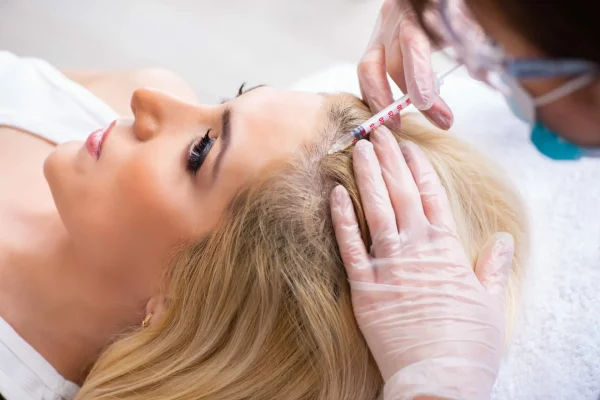
Stem cell therapy is an advanced treatment that utilizes the regenerative properties of stem cells to repair and stimulate hair follicles. Platelet-rich plasma (PRP) therapy is a procedure that uses a patient’s own blood to promote hair growth. A blood sample is processed to concentrate the platelets, which are then injected into the scalp to stimulate hair follicles. Both therapies may lead to new hair growth.
Hormonal imbalances can be a primary cause of this condition, particularly in cases related to aging or certain medical conditions. Bioidentical hormone replacement therapy (BHRT) aims to restore hormonal balance using hormones that are chemically identical to those the body produces. By addressing these imbalances, BHRT helps mitigate loss and promote regrowth.
Explore Your Options Now
Hair loss is a complex issue with multiple causes and types, but innovative treatments are available for those affected. From nutrition therapy to advanced procedures like stem cell therapy and PRP, there are various ways to address this condition. Consulting with a healthcare professional can provide a tailored treatment plan to help with prevention and management. If you are experiencing this condition, schedule a consultation to explore your options.
- Tips for Maintaining Spinal Health Through Chiropractic Care
- How to Choose the Right Sports Medicine Specialist for Your Needs
- The Connection Between Hair Loss Treatment and Overall Scalp Health
- What to Expect in a Session with a PTSD Therapist
- Exploring Ingredients and Formulations in White Label Health and Beauty Products