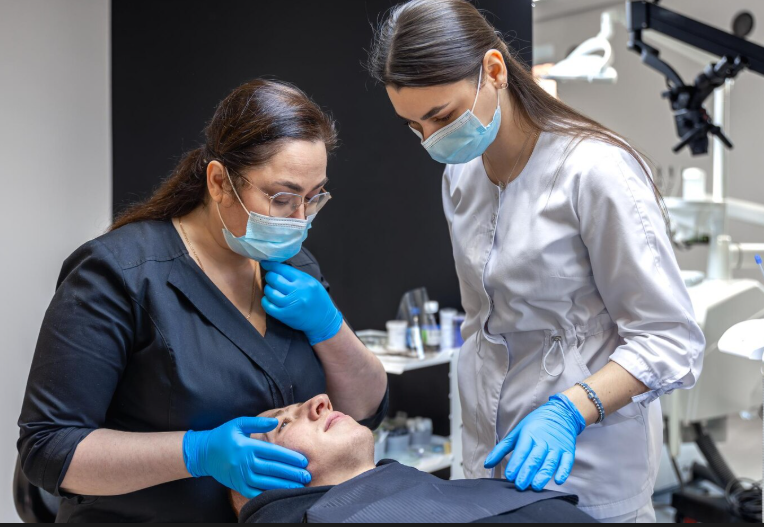



Gynecologic services encompass a wide range of care for the female reproductive system. These services support health through different life stages, from adolescence through menopause and beyond. Understanding the types of care available can help you navigate your health with confidence. Gynecologic care includes routine check-ups, specialized testing, and management of various conditions.
What Are Routine Screenings?
Routine screenings are a key part of preventive gynecologic care. They are designed to detect potential health issues before they become more serious. A typical annual well-woman visit often includes a pelvic exam, a breast exam, and a discussion about your health history. These exams allow a provider to check for any changes or abnormalities.
The Pap test is a standard screening that looks for changes in cervical cells that could lead to cancer. Guidelines for Pap test frequency can vary based on age and prior results. HPV testing, which checks for the human papillomavirus, may be done at the same time as the Pap test. These screenings are fundamental tools for monitoring cervical health over time.
Which Services Address Fertility?
If you’re planning to start a family, certain gynecologic services can provide guidance and support. Fertility care begins with understanding your menstrual cycle and overall reproductive health. Your provider can offer advice on tracking ovulation to help you plan a pregnancy and may recommend evaluations to get a clearer picture of your fertility potential. Common services include:
- Hormone Testing: Blood tests measure hormone levels related to ovulation and ovarian reserve. This information helps assess the functioning of the reproductive system.
- Ovulation Tracking: Methods such as charting basal body temperature or using ovulation predictor kits can help identify your most fertile days. A provider can guide you on how to use these tools effectively.
- Imaging Tests: An ultrasound can be used to examine the uterus and ovaries. This helps check the structure of these organs and monitor follicle development.
These diagnostic steps are part of a comprehensive approach to understanding fertility. Your provider can explain what each test involves and what the results mean for you. This information allows for a more informed path forward.
How Are Gynecologic Conditions Diagnosed?
When symptoms like pelvic pain or irregular bleeding occur, providers use specific diagnostic tools to identify the cause. An initial evaluation usually involves a thorough discussion of your symptoms and a physical exam. From there, further testing may be recommended to gather more information.
A provider may use several methods to diagnose a condition. The choice of test depends on your specific symptoms and health history. Common diagnostic procedures include:
- Ultrasound
- Colposcopy
- Hysteroscopy
- Biopsy
These procedures help your provider get a detailed look at the reproductive organs and collect tissue samples if needed. The results guide the development of a suitable management plan. This straightforward diagnostic process helps address your health concerns directly.
Review Gynecologic Services
Gynecologic services are key to maintaining your reproductive health throughout every stage of life. This area of medicine covers everything from routine screenings to specialized care for fertility and other conditions. Regular check-ups and open communication with your provider are necessary for proactive care and making informed decisions about your health. If you have questions about which services are right for you, scheduling a consultation to discuss your needs and create a personalized plan is a great next step.
- Tips for Maintaining Spinal Health Through Chiropractic Care
- How to Choose the Right Sports Medicine Specialist for Your Needs
- The Connection Between Hair Loss Treatment and Overall Scalp Health
- What to Expect in a Session with a PTSD Therapist
- Exploring Ingredients and Formulations in White Label Health and Beauty Products