

Varicose veins are a common condition that can cause discomfort. Understanding the nature of these veins is the first step toward managing them effectively, and a specialist helps with treatment. Here is more information on varicose veins, including their causes and symptoms, lifestyle adjustments, and available professional treatment options:
What Are Varicose Veins?
Varicose veins are enlarged, swollen, and twisting veins, often appearing blue or dark purple. They occur when faulty valves in the veins allow blood to flow in the wrong direction or to pool. This condition most commonly affects the veins in the legs, and it can develop for various reasons.
What Causes Them?
Several factors contribute to the development of varicose veins, so understanding them can provide insight into prevention. Age is a primary factor, as veins lose elasticity over time, leading to weakened valves. Genetics also plays a role. If family members have varicose veins, your risk of developing them is higher.
Hormonal changes, such as those during pregnancy or menopause, are also a factor, for hormones can relax vein walls. Occupations that involve long periods of standing or sitting may increase pressure on the veins in your lower body, and this may contribute to their formation. Obesity puts added pressure on the veins.
What Are the Symptoms?
Symptoms range from cosmetic issues to physical discomfort, and they vary from person to person. Visually, the veins appear twisted and bulging, often with a bluish or purplish hue. Some individuals may experience an achy or heavy feeling in their legs, along with burning, throbbing, or muscle cramping.
Swelling in the lower legs is another common symptom, particularly after prolonged standing or sitting. In some cases, prolonged itching around one or more of the veins may occur, and you may notice skin discoloration around a varicose vein. These symptoms have the potential to worsen over time if left unaddressed.
What Lifestyle Changes Can Help?
Certain lifestyle modifications can help alleviate the symptoms of varicose veins and prevent them from worsening. Regular exercise, especially walking or swimming, helps improve circulation in the legs, reducing pressure on the veins. Maintaining a healthy weight also lessens the strain on your veins.
Dietary adjustments are beneficial; a high-fiber diet helps prevent constipation, which may contribute to increased venous pressure. Elevating your legs several times a day helps reduce swelling. Wearing compression stockings can support the veins, improving blood flow and relieving symptoms.
How Is Professional Guidance Beneficial?
While lifestyle changes are helpful, professional medical guidance provides more definitive treatment options. A consultation with a specialist can determine the most suitable course of action based on your specific condition, offering lasting relief. Available medical procedures include:
- Venous ablation is a procedure that uses heat to close off the affected veins and redirect blood flow to healthier veins.
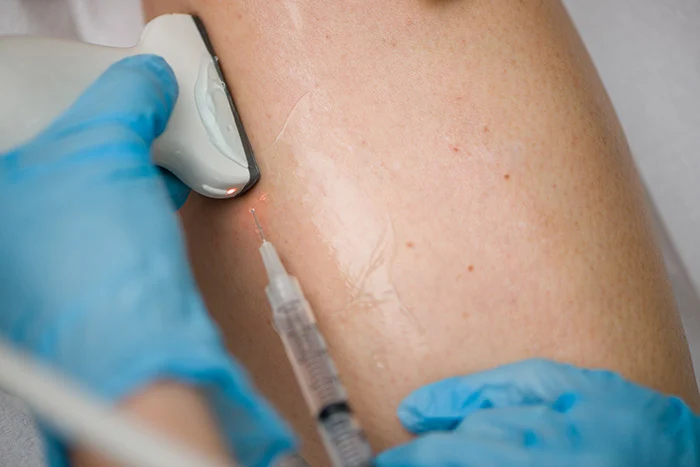
- Sclerotherapy involves injecting a solution into the veins, which causes them to scar and close, forcing blood to reroute
- VenaSeal® uses a medical adhesive to close the vein
Each treatment has its own benefits, and a specialist will help you choose the one that’s right for you.
Alleviate Your Symptoms Today
Varicose veins can be a source of both cosmetic concern and physical discomfort, but various management strategies are available. By understanding their causes and symptoms, you can make lifestyle changes to mitigate their effects. Professional treatments offer more permanent solutions, and a consultation with a specialist will guide you toward the most suitable option for your needs. Schedule an appointment today.
- Tips for Maintaining Spinal Health Through Chiropractic Care
- How to Choose the Right Sports Medicine Specialist for Your Needs
- The Connection Between Hair Loss Treatment and Overall Scalp Health
- What to Expect in a Session with a PTSD Therapist
- Exploring Ingredients and Formulations in White Label Health and Beauty Products