

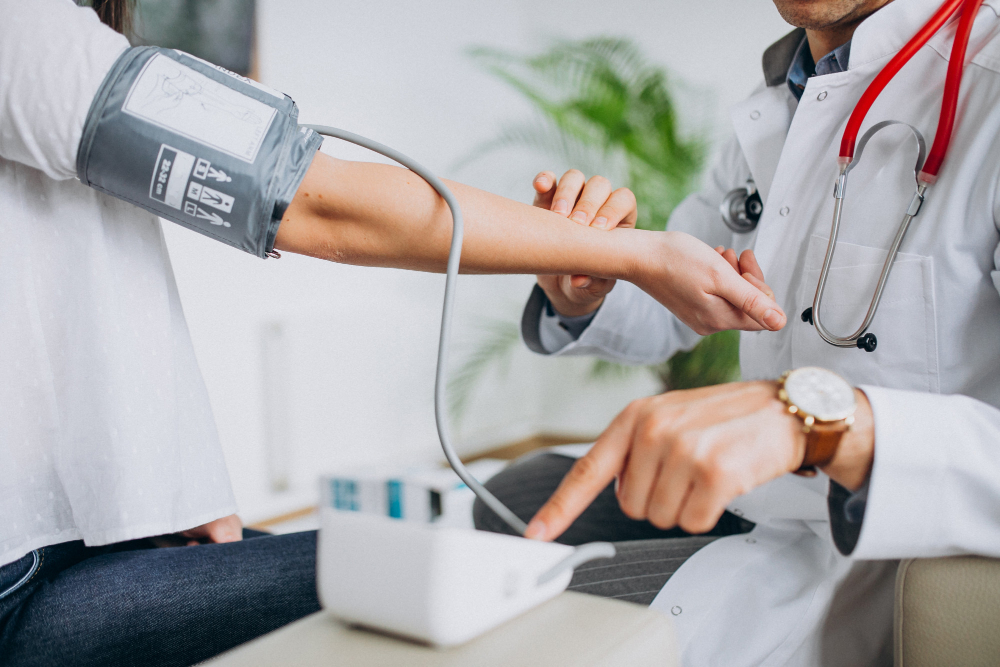

Primary care is the foundation of your long-term health journey, and it provides a central point for managing your overall well-being. A primary care physician (PCP) is a doctor who offers continuous care, focusing on wellness, disease prevention, and treatment of illnesses. By getting to know you, your history, and your family’s health background, they can provide personalized medical advice. Here is more information about how PCPs can help patients navigate challenges:
Chronic Disease Management
Because managing a long-term health condition requires ongoing support, a PCP coordinates care for chronic diseases. They work with you to develop a management plan, and they can monitor your condition through regular appointments. This consistent oversight helps track your progress and adjust treatments as needed.
Your PCP acts as the central coordinator for your care team. By communicating with other doctors involved in your treatment, you can maintain a cohesive, organized approach to your health. Your primary doctor typically receives reports and integrates specialist advice into your overall plan. This streamlines communication and keeps everyone informed about your treatment.
The goal of chronic disease management is to help you maintain your quality of life. PCPs provide education about your condition, helping you understand how to manage it day to day. They may offer guidance on medication, diet, and exercise. If you have a doctor who understands your complete health picture, they can provide steady support while you navigate the complexities of a chronic condition.
Diagnostic Testing
When you present with new symptoms, your PCP is typically the one who orders initial tests. They will assess your symptoms and determine what diagnostic tools are appropriate. With the results of these tests, they can provide guidance for the next steps in your care. Your doctor will explain the findings to you. Standard diagnostic services include:
- Blood tests
- Urine analysis
- Imaging referrals
- Biopsy procedures
After receiving test results, your PCP may interpret them within the context of your overall health. Because they are familiar with your medical history, they can identify what is normal for you and what might signal a problem. This comprehensive view helps in forming an accurate diagnosis. They will discuss the results and what they mean for your health.
First Point of Care
When a health issue arises, your primary care visit is the first step. Your PCP is trained to handle a wide variety of medical problems. You can see them for anything from a common cold to unexplained pain, and they will provide an initial evaluation. This accessibility makes it easier to seek care quickly.
Your PCP serves as a navigator within the healthcare system. If your condition requires specialized attention, your doctor will refer you to the proper specialist. They know the network of providers in your area, and they can direct you to a qualified professional for your specific needs. This guidance simplifies finding specialized care when you need it.
Visit a Primary Care Clinic
A primary care physician offers a consistent source of medical guidance throughout your life. They provide preventive services, manage chronic conditions, and act as your initial contact for new health concerns. By establishing a relationship with a PCP, you create a home base for your healthcare. If you are looking for a provider to partner with you on your health journey, schedule an appointment with a primary care physician today.
- Tips for Maintaining Spinal Health Through Chiropractic Care
- How to Choose the Right Sports Medicine Specialist for Your Needs
- The Connection Between Hair Loss Treatment and Overall Scalp Health
- What to Expect in a Session with a PTSD Therapist
- Exploring Ingredients and Formulations in White Label Health and Beauty Products