
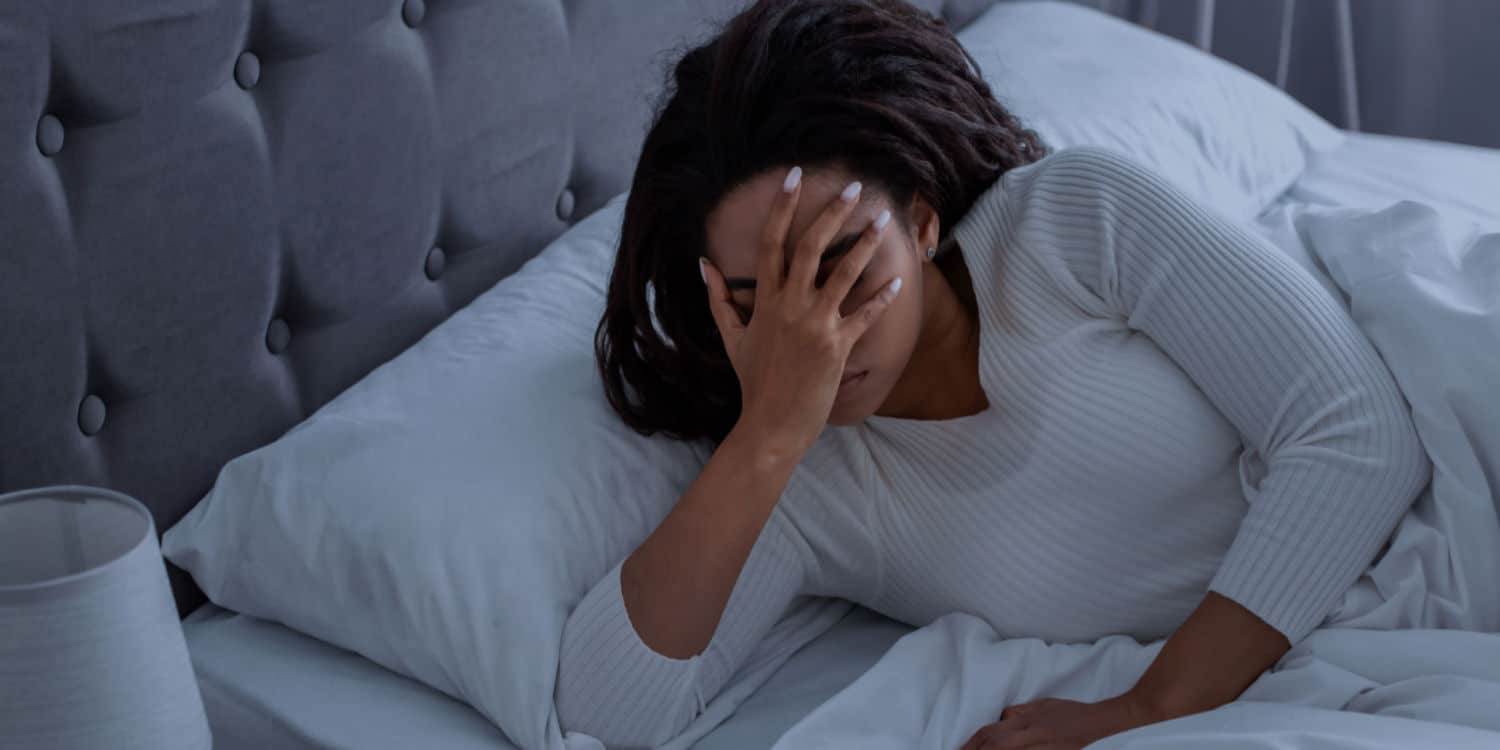

Mental health and sleep share a complex and bidirectional relationship. Difficulty sleeping can affect your mood, and changes in your emotional state can disrupt your sleep patterns. Understanding the link between conditions like depression and sleep disorders may provide insight into how they influence each other. Addressing one area may often lead to improvements in the other, highlighting their deep connection.
What is depression?
Depression is a mood disorder characterized by a persistent feeling of sadness or a loss of interest in activities you once enjoyed. It affects how you feel, think, and behave, and can lead to a variety of emotional and physical problems. Symptoms may interfere with daily activities, such as work, school, and relationships.
The experience of depression varies from person to person. Some may feel a general sense of emptiness, while others may experience irritability or frustration. Changes in appetite, energy levels, and concentration are also common. These symptoms must persist for at least two weeks for a diagnosis of depression.
Which Disorders Raise Risk?
Certain sleep disorders are frequently associated with depression, either as a contributing factor or as a symptom. The disruption they cause to the body’s natural sleep-wake cycle can significantly affect mood regulation. Identifying a co-occurring sleep disorder may be a key part of understanding the complete picture of one’s mental health.
Several specific sleep conditions have a known association with depression.
- Insomnia: This involves difficulty falling asleep, staying asleep, or achieving good-quality sleep. Chronic insomnia is one of the most common sleep complaints among individuals with depression.
- Obstructive Sleep Apnea (OSA): This condition causes repeated interruptions in breathing during sleep. The resulting fragmented sleep and reduced oxygen levels contribute to fatigue and mood changes.
- Restless Legs Syndrome (RLS): RLS is characterized by an overwhelming urge to move the legs, often accompanied by uncomfortable sensations. These symptoms typically occur in the evening, making it difficult to fall asleep.
- Narcolepsy: A neurological disorder affecting the brain’s ability to control sleep-wake cycles, narcolepsy causes excessive daytime sleepiness and sudden attacks of sleep.
The link between these disorders and depression is strong. Disrupted sleep can alter brain activity and neurochemical levels, potentially affecting mood. Likewise, the physiological and emotional stress of depression can make restful sleep more difficult to achieve.
Can Treatment Improve Both?
Addressing sleep problems and depression simultaneously can be a practical approach. Because the two are so closely linked, treatments for one condition may help alleviate symptoms of the other. A comprehensive strategy often involves a combination of therapies and lifestyle adjustments tailored to your specific needs.
Cognitive behavioral therapy for insomnia (CBT-I) helps people change thoughts and behaviors that interfere with sleep. This therapy has also been shown to reduce depressive symptoms in individuals who have both conditions. Similarly, using a continuous positive airway pressure (CPAP) machine for sleep apnea can improve sleep quality, which may lead to better mood and increased energy levels.
Lifestyle modifications can also support both sleep quality and mental well-being. Establishing a consistent sleep schedule, creating a relaxing bedtime routine, and getting regular physical activity can be beneficial. These practices help regulate the body’s internal clock and can positively affect mood.
Consult a specialist
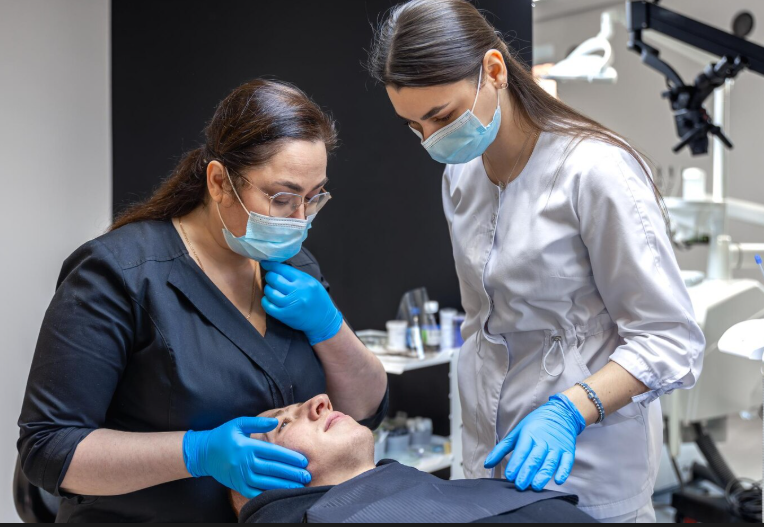
If you are experiencing persistent low mood along with sleep difficulties, speaking with a healthcare professional can be a positive first step. They can help you understand the symptoms and explore potential causes. A thorough evaluation can determine the best course of action for your unique situation. You can work together to create a plan to address both your sleep and your mental health. Taking this step can empower you to find practical solutions and work toward feeling better.
- Tips for Maintaining Spinal Health Through Chiropractic Care
- How to Choose the Right Sports Medicine Specialist for Your Needs
- The Connection Between Hair Loss Treatment and Overall Scalp Health
- What to Expect in a Session with a PTSD Therapist
- Exploring Ingredients and Formulations in White Label Health and Beauty Products