
Understanding the connection between what we eat and how our bodies change over time is a common interest. Many discussions about health involve antioxidants and their relationship to the aging process. These compounds are present in many foods and play a role in cellular functions. Exploring the science behind them can help you understand how they work within the body.
What Are Antioxidants?
Antioxidants are substances that can prevent or slow cellular damage caused by unstable molecules. The body produces some of its own antioxidants, known as endogenous antioxidants. We also get them from external sources, mainly through the foods we eat, which are called exogenous antioxidants. These substances work by donating an electron to a free radical, neutralizing it and stopping its chain reaction of damage.
Many different substances can act as antioxidants. Well-known ones include vitamin C, vitamin E, selenium, and carotenoids like beta-carotene. Each type of antioxidant has a unique chemical behavior and biological property. They often work together in a network to support cellular health. A diet rich in fruits, vegetables, and whole grains provides a wide array of these helpful compounds.
Why Do Cells Age?
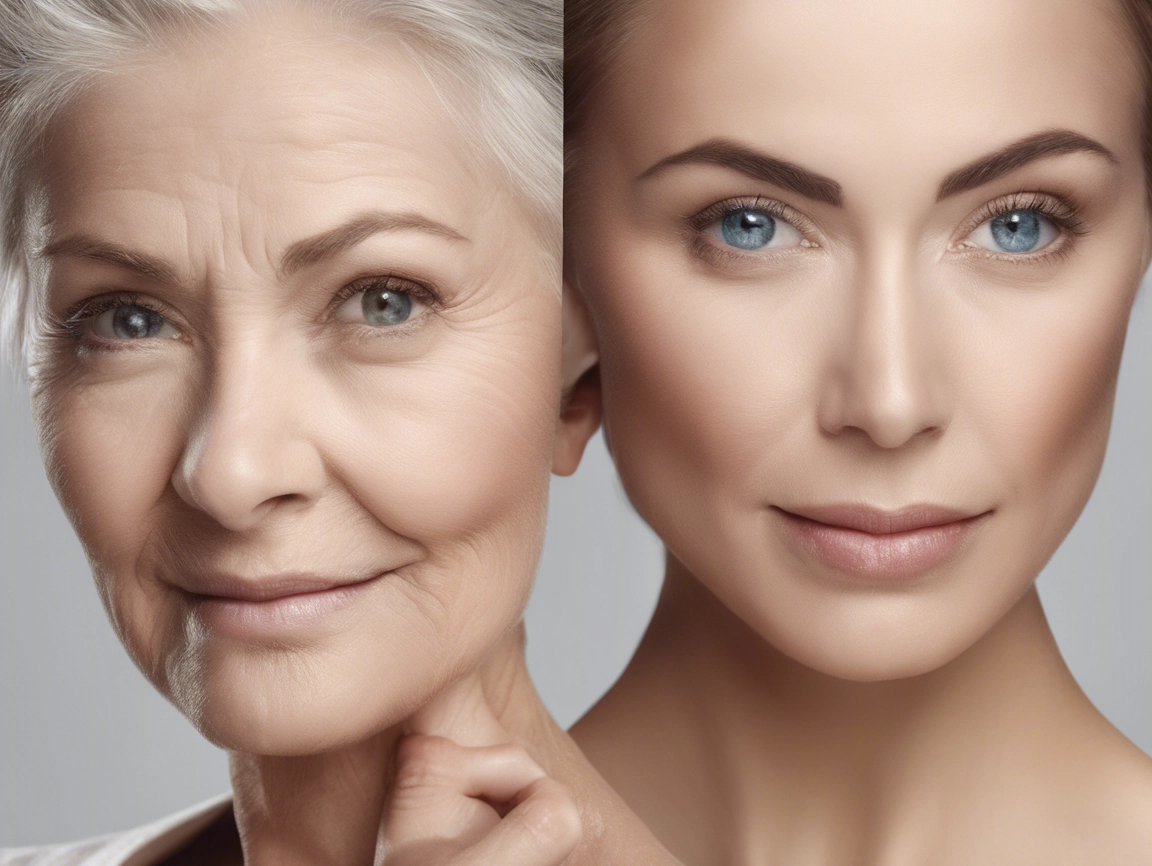
Cellular aging, or senescence, is a natural biological process where cells stop dividing. Over time, these senescent cells can accumulate in tissues throughout the body, contributing to the physical changes associated with aging. This process is influenced by a combination of internal and external factors that affect cellular health and function. Understanding these can provide clarity on the body’s natural progression.
- Free Radicals: Unstable atoms that can damage cells, causing illness and aging.
- Oxidative Stress: An imbalance between free radicals and antioxidants in your body.
- Environmental Factors: Exposure to sunlight, pollution, and other environmental toxins can accelerate cellular damage.
- Lifestyle Choices: Diet, physical activity, and stress levels all play a part in how cells fare over time.
As we age, the body’s natural defense mechanisms may become less effective at managing these stressors. The accumulation of cellular damage from these various sources is a key aspect of the aging process. Managing exposure to negative factors and supporting the body’s defenses can be a practical approach to cellular wellness.
How Do Antioxidants Help?
Antioxidants help by counteracting oxidative stress. They function as the body’s defense squad against the damage caused by free radicals. By neutralizing these unstable molecules, antioxidants protect cells, proteins, and DNA from damage. This protective action helps maintain cellular integrity and supports overall function.
Different antioxidants provide support in specific ways. Their combined efforts create a comprehensive defense system for your cells.
- Vitamin C: This water-soluble antioxidant neutralizes free radicals in the blood and other body fluids.
- Vitamin E: As a fat-soluble antioxidant, it works within cell membranes to protect them from oxidative damage.
- Flavonoids: Found in plants, these antioxidants can support the body’s defense systems and work alongside vitamins.
- Selenium: A trace mineral that is a component of antioxidant enzymes, helping to protect cells from oxidative damage.
Incorporating a variety of these compounds into your diet helps your body get the tools it needs to support cellular health. A balanced intake from different food sources provides a broader spectrum of protection.
Consult a Specialist
This article provides a general overview of the science behind antioxidants. Your health situation is unique, and dietary needs can vary significantly from person to person. For personalized guidance tailored to your specific circumstances, it is always a good idea to speak with a healthcare professional or a registered dietitian. They can help you develop a plan that aligns with your individual health goals and dietary requirements.
- Tips for Maintaining Spinal Health Through Chiropractic Care
- How to Choose the Right Sports Medicine Specialist for Your Needs
- The Connection Between Hair Loss Treatment and Overall Scalp Health
- What to Expect in a Session with a PTSD Therapist
- Exploring Ingredients and Formulations in White Label Health and Beauty Products