

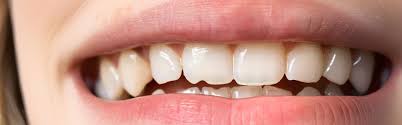

A cracked tooth can cause discomfort and, if left untreated, may lead to more serious dental issues. Understanding the different types of cracks, their causes, and available treatments can help you seek appropriate care. Here is more information on cracked teeth for patients seeking endodontic consultation:
What Are Cracked Teeth?
A cracked tooth has a fracture or split, which ranges from a superficial line in the enamel to a deep break that exposes the inner pulp. These cracks can appear on any tooth but are common in molars due to the pressure they endure during chewing. The location and extent of cracked teeth determine the symptoms and the appropriate course of treatment.
Unlike a broken bone, a tooth fracture will not heal on its own, and the crack may spread over time if left untreated. The severity of the problem depends on the depth of the crack, which is why a professional diagnosis is necessary. An endodontist specializes in diagnosing and treating these complex cases.
What Are the Different Types?
Cracked teeth are categorized based on the nature and location of the fracture, which influences the treatment plan.
- Craze Lines: Craze lines are small, shallow cracks that only affect the outer enamel of the tooth.
- Fractured Cusp: A fractured cusp occurs when a piece of the tooth’s chewing surface breaks off.
- Treatable Cracked Tooth: This term refers to a crack that extends from the chewing surface vertically toward the root, but the tooth has not yet split into separate pieces.
- Split Tooth: A split tooth is often the result of an untreated cracked tooth, and it is identified by a crack that has progressed to the point where the tooth separates into distinct segments.
- Vertical Root Fracture: This type of fracture is a crack that begins in the tooth’s root and extends toward the chewing surface.
What Causes Them?
Several factors contribute to a tooth cracking, with pressure being a primary cause. Chewing on hard objects or foods, such as ice or hard candy, can place excessive force on your teeth. These habits have the potential to lead to fractures over time. Other causes include trauma to the mouth from an accident, and large dental fillings may weaken the tooth’s structure.
What Are the Signs?
The signs of a cracked tooth vary, but one common symptom is erratic pain when chewing, particularly when you release biting pressure. You may also experience sensitivity to hot, cold, or sweet foods. Swelling of the gum around the affected tooth can also occur, primarily if the crack has led to an infection.
What Are the Treatment Options?
Treatment for a cracked tooth depends on the type, location, and severity of the crack, and the goal is to relieve pain and restore function. For minor cracks, simple dental bonding can fill the fracture. A crown is another standard treatment, which covers the tooth to protect it from further damage.
If the crack has extended into the pulp, a root canal procedure may be necessary to remove the damaged tissue and save the tooth. For more severe cases, like a split tooth or a vertical root fracture, endodontic surgery is an option to save a portion of the tooth. In some instances, extraction may be the only viable solution.
Consult an Endodontic Specialist
Diagnosing and treating a cracked tooth requires specialized knowledge, so consulting with an endodontist is beneficial. These dental specialists have advanced training in saving teeth and can provide an accurate diagnosis and an effective treatment plan. Timely intervention may prevent the crack from worsening and increase the chances of saving your tooth.
- Tips for Maintaining Spinal Health Through Chiropractic Care
- How to Choose the Right Sports Medicine Specialist for Your Needs
- The Connection Between Hair Loss Treatment and Overall Scalp Health
- What to Expect in a Session with a PTSD Therapist
- Exploring Ingredients and Formulations in White Label Health and Beauty Products