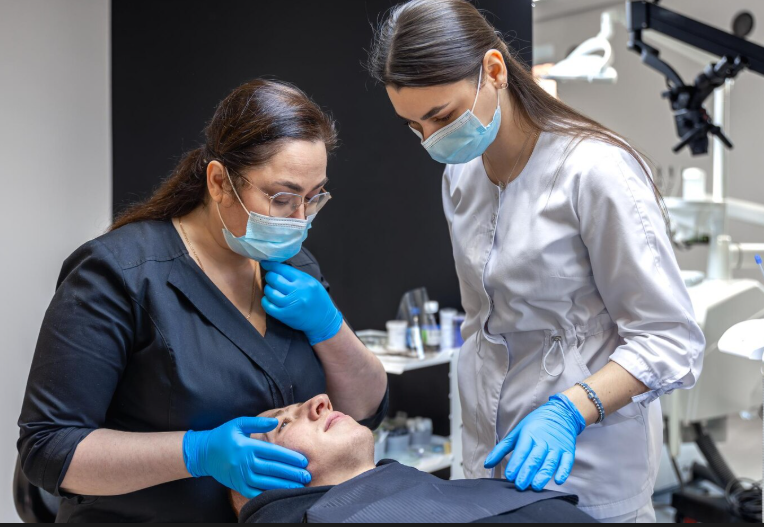

A pain center plays a key role in helping individuals manage acute and chronic pain through a coordinated and comprehensive approach. These specialized facilities bring together multiple treatment options to comprehensively address pain. Here is more information on the role of pain management centers in comprehensive pain care:
What Is a Pain Center?
A pain center is a healthcare facility that specializes in the diagnosis and management of pain. It is staffed by a team of medical professionals with expertise in pain management. These specialists work together to create a holistic treatment plan tailored to each patient’s unique needs. The primary goal is to reduce pain, improve function, and well-being.
The process at a pain management center begins with a thorough evaluation to identify the source of the pain. Once a diagnosis is made, the team develops a treatment strategy that may include a combination of medical, therapeutic, and interventional approaches. This integrated care model makes sure that all aspects of a patient’s pain are addressed.
Which Conditions Are Treated?
Pain centers are equipped to handle a wide spectrum of conditions that cause chronic pain. Here are some of the conditions frequently addressed at a pain treatment center.
- Fibromyalgia: A disorder characterized by widespread musculoskeletal pain accompanied by fatigue, sleep, memory, and mood issues.
- Peripheral Neuropathy: This condition results from damage to the peripheral nerves, usually in the hands and feet.
- Spinal Conditions: This includes issues like herniated discs, spinal stenosis, and degenerative disc disease.
- Arthritis: Both osteoarthritis and rheumatoid arthritis can cause chronic joint pain.
- Chronic Headaches: This includes migraines and tension headaches that do not respond to standard treatments.
- Complex Regional Pain Syndrome (CRPS): A form of chronic pain that usually affects an arm or a leg.
Each of these conditions requires a unique approach to treatment.
What Treatments Can You Expect?
To manage the diverse conditions they treat, pain centers offer a variety of advanced and traditional therapies. These treatments are often combined to create a comprehensive care plan. Here are some of the treatments you may find at a pain management clinic.
- Epidural Injections: These injections deliver medication directly to the source of pain in the spine.
- Radiofrequency Ablation: This procedure uses heat generated by radio waves to target specific nerves and temporarily turn off their ability to send pain signals.
- Spinal Cord Stimulator: A small device is implanted near the spinal cord to send mild electrical signals that mask pain signals before they reach the brain.
- Kyphoplasty: A minimally invasive procedure used to treat spinal fractures caused by osteoporosis by stabilizing the bone and reducing pain.
- Regenerative Medicine: This includes treatments like platelet-rich plasma (PRP) therapy, which uses the body’s own healing properties to repair damaged tissues.
- Physical Therapy: This helps to improve strength, flexibility, and function through targeted exercises and stretches.
The specialist will work with you to determine the most appropriate course of action for your condition.
Why Does Comprehensive Care Matter?
A comprehensive approach to pain care is fundamental because it addresses the multifaceted nature of chronic pain. It recognizes that pain affects not just the body but also mental and emotional well-being. When multiple specialists collaborate, the patient benefits from a wealth of combined knowledge and experience. This team-based strategy allows for accurate diagnoses and more effective treatment plans. Having all services in one location is also more convenient for patients and allows for better coordination of care.
Visit a Local Pain Center
A pain center provides a structured and comprehensive environment for managing chronic pain. These centers offer a way to relief and improved well-being by employing a team-based approach and focusing on the root cause of discomfort. If you are struggling with chronic pain, contact a local pain center to schedule your visit today.
- Tips for Maintaining Spinal Health Through Chiropractic Care
- How to Choose the Right Sports Medicine Specialist for Your Needs
- The Connection Between Hair Loss Treatment and Overall Scalp Health
- What to Expect in a Session with a PTSD Therapist
- Exploring Ingredients and Formulations in White Label Health and Beauty Products