
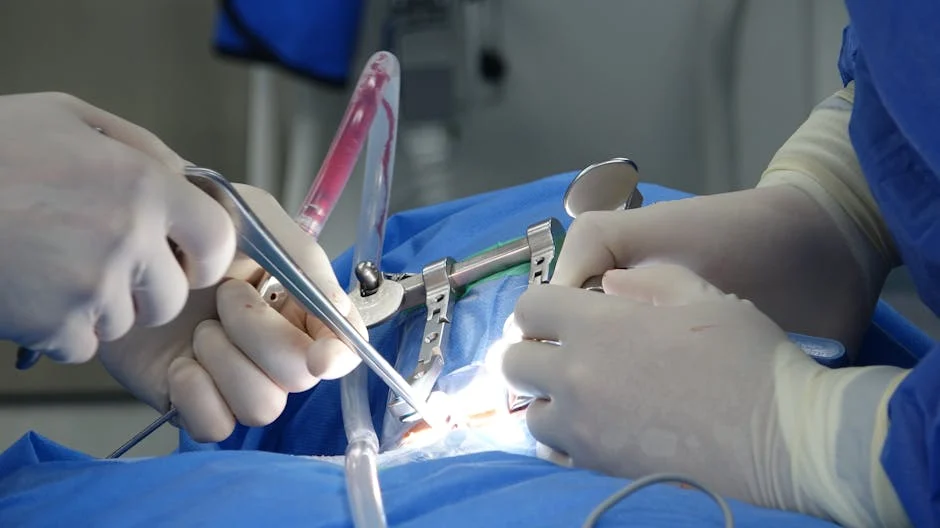

Spine surgery encompasses a range of procedures to address pain, correct deformities, or restore stability to the spinal column. These interventions alleviate pressure on the spinal cord or nerves, fuse vertebrae to eliminate painful motion, or replace damaged disks. Recovery from spine surgery is a process that requires careful management and adherence to medical guidance. Here is information on three common spine surgeries and how they may impact your life after recovery:
Decompression Surgery
Spinal surgeries are recommended when conservative treatments, like physical therapy, medication, or lifestyle changes, fail to provide sufficient pain relief. Spine surgery may help individuals experiencing debilitating pain, significant nerve compression, or loss of function that interferes with daily activities. Certain spinal conditions may necessitate surgical intervention if they lead to structural instability or neurological deficits.
Decompression surgery is performed to relieve pressure on the spinal nerves or the spinal cord itself. This pressure is often caused by conditions like spinal stenosis, herniated disks, or bone spurs. A decompression procedure involves removing the tissue causing the compression, which may be a portion of a disk or vertebra.
Following decompression surgery, certain lifestyle adjustments may be recommended to support a successful recovery. You will likely have restrictions on lifting, bending, and twisting to protect the surgical site while it heals. Physical therapy is a common component of the recovery plan, helping you regain strength and mobility safely. To aid recovery, focus on following your therapist’s instructions, using proper body mechanics for daily activities, and gradually increasing your activity level as advised by your medical team.
Spinal Fusion
Spinal fusion is a surgical procedure that permanently joins two or more vertebrae in your spine, eliminating motion between them. This is achieved by using a bone graft, which can be taken from your own body or a donor, to stimulate the bones to grow together over time. Medical hardware, like screws and rods, commonly holds the vertebrae in place while the fusion occurs.
Life after a spinal fusion involves adapting to reduced flexibility in the fused section of your spine, though many individuals find that the relief from pain significantly improves their overall quality of life. The recovery period is extensive, as it takes several months for the bones to fuse completely. Spinal fusion may be recommended for various conditions, including:
- Degenerative or Herniated Disks
- Spondylolisthesis
- Scoliosis
- Fractured Vertebra
- Spinal Instability
Artificial Disk Replacement
Artificial disk replacement is a procedure that involves removing a damaged or degenerated spinal disk and replacing it with a prosthetic, or artificial, disk. This surgery aims to relieve pain while preserving more of the natural motion of the spine compared to a spinal fusion. This procedure often helps individuals with pain from one or two damaged disks in the lower back or neck.
Artificial disk replacement is typically recommended for patients who have significant spinal instability. To aid in recovery, your surgeon will provide a plan that may include physical therapy to strengthen the muscles supporting your spine. You will need to follow their postoperative restrictions on certain activities to allow for proper healing. Managing your recovery involves a commitment to the rehabilitation process and open communication with your care team about your progress.
Contact a Spine Surgery Specialist
Navigating life after spine surgery is unique for each person. Your health outcomes are influenced by the procedure performed, your overall health, and your commitment to your recovery plan. For personalized information and guidance regarding your specific condition, contact a spine specialist for a comprehensive evaluation today.
- Tips for Maintaining Spinal Health Through Chiropractic Care
- How to Choose the Right Sports Medicine Specialist for Your Needs
- The Connection Between Hair Loss Treatment and Overall Scalp Health
- What to Expect in a Session with a PTSD Therapist
- Exploring Ingredients and Formulations in White Label Health and Beauty Products