

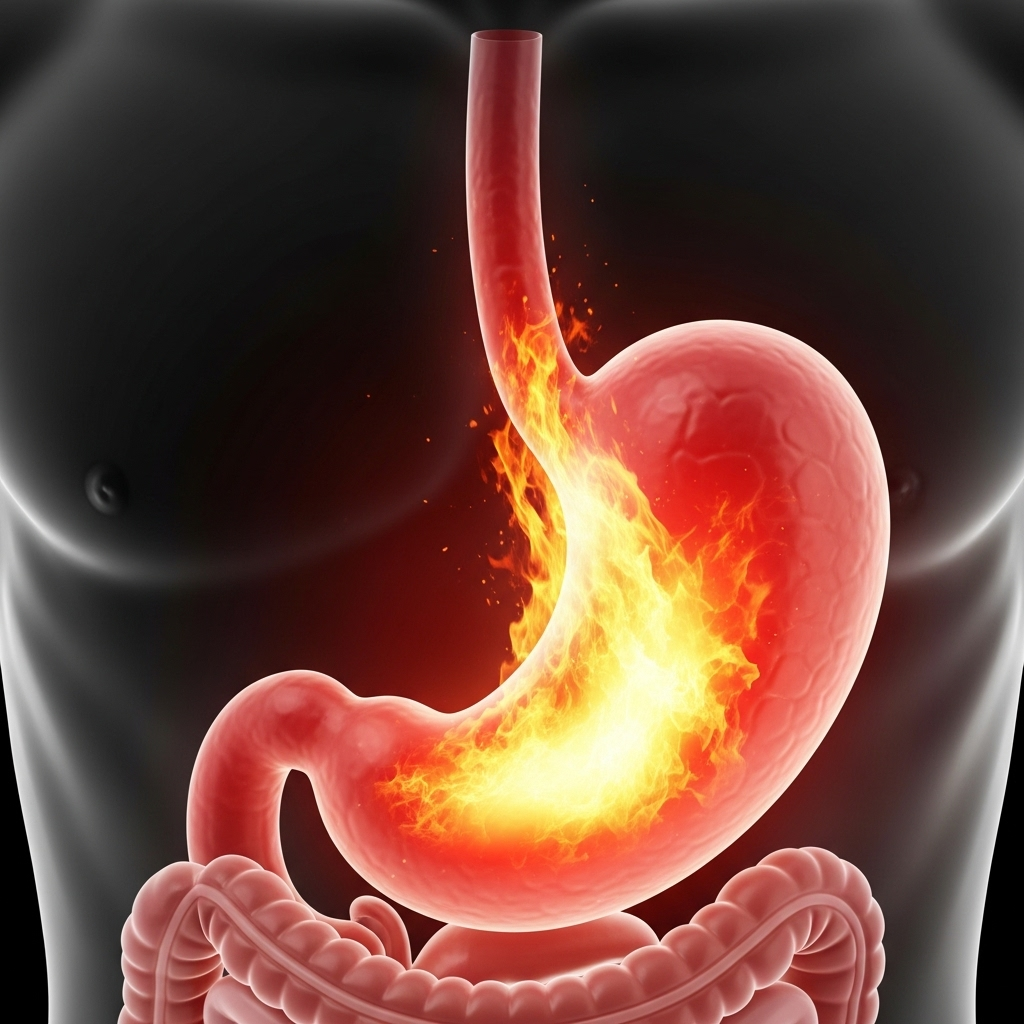

Gastroesophageal Reflux Disease (GERD) is a chronic digestive condition. It occurs when stomach acid frequently flows back into the tube connecting your mouth and stomach, called the esophagus. While occasional acid reflux is common, GERD is a more severe and long-lasting form that can lead to serious health problems if left untreated, making consultation with a Gastroenterologist beneficial for proper diagnosis and management.
Understanding GERD Basics
GERD is primarily a disorder of the lower esophageal sphincter (LES), which is the ring of muscle at the bottom of the esophagus. The LES acts as a valve between the esophagus and stomach, opening to let food pass and closing to prevent acid from backing up. When the LES is weak or relaxes improperly, stomach acid can reflux into the esophagus.
This backwash of acid causes irritation and inflammation of the esophageal lining. Over time, this persistent reflux can lead to damage. Understanding the mechanics of the LES helps explain how GERD develops, and a Gastroenterologist can provide diagnosis and treatment options.
Recognizing Common Symptoms
The symptoms of GERD can vary in severity, but some are more prevalent than others. Heartburn, a burning pain in your chest that sometimes spreads to your throat, can be a symptom. You may also experience regurgitation, a sensation of acid backing up into your throat or mouth. Other signs can include:
- Difficulty swallowing (dysphagia)
- A sensation of a lump in your throat
- Chronic cough or laryngitis
- New or worsening asthma
These symptoms often worsen after eating, when lying down, or when bending over.
Identifying Major Triggers
Certain foods and lifestyle habits are known to trigger or exacerbate GERD symptoms by relaxing the LES or increasing stomach acid production. Identifying your personal triggers is a key step in managing the condition. While triggers can vary between individuals, common ones can include:
- Fatty or fried foods
- Spicy dishes
- Citrus fruits and tomatoes
- Chocolate, mint, and onions
- Alcohol and caffeinated beverages
Beyond diet, other factors like smoking, obesity, and eating large meals, especially before bedtime, can also contribute to symptom flare-ups.
Managing Daily Treatment
Managing GERD involves a combination of lifestyle adjustments and, when necessary, medication. Simple changes can make a substantial difference, such as trying to eat smaller, more frequent meals throughout the day. It is also beneficial to avoid eating for at least two to three hours before you lie down. Elevating the head of your bed can help prevent acid from flowing back into the esophagus while you sleep, and maintaining a healthy weight can reduce pressure on your abdomen and sphincter.
Talk to Your Gastroenterologist Today
Living with GERD requires careful attention to symptoms and triggers, but effective management is possible. A personalized treatment plan tailored to your specific needs and medical history can be beneficial with professional guidance. A Gastroenterologist can help you develop a personalized strategy to control your symptoms and prevent complications. If you are experiencing persistent acid reflux or other related symptoms, schedule an appointment to discuss your concerns with a specialist.
- Tips for Maintaining Spinal Health Through Chiropractic Care
- How to Choose the Right Sports Medicine Specialist for Your Needs
- The Connection Between Hair Loss Treatment and Overall Scalp Health
- What to Expect in a Session with a PTSD Therapist
- Exploring Ingredients and Formulations in White Label Health and Beauty Products