

Acne is a common skin condition that affects millions of people, particularly during adolescence. This condition can affect an individual’s appearance, so understanding its causes and treatments is beneficial. Here is more information on acne, including its causes and effective management strategies for clear skin:
What Is Acne?
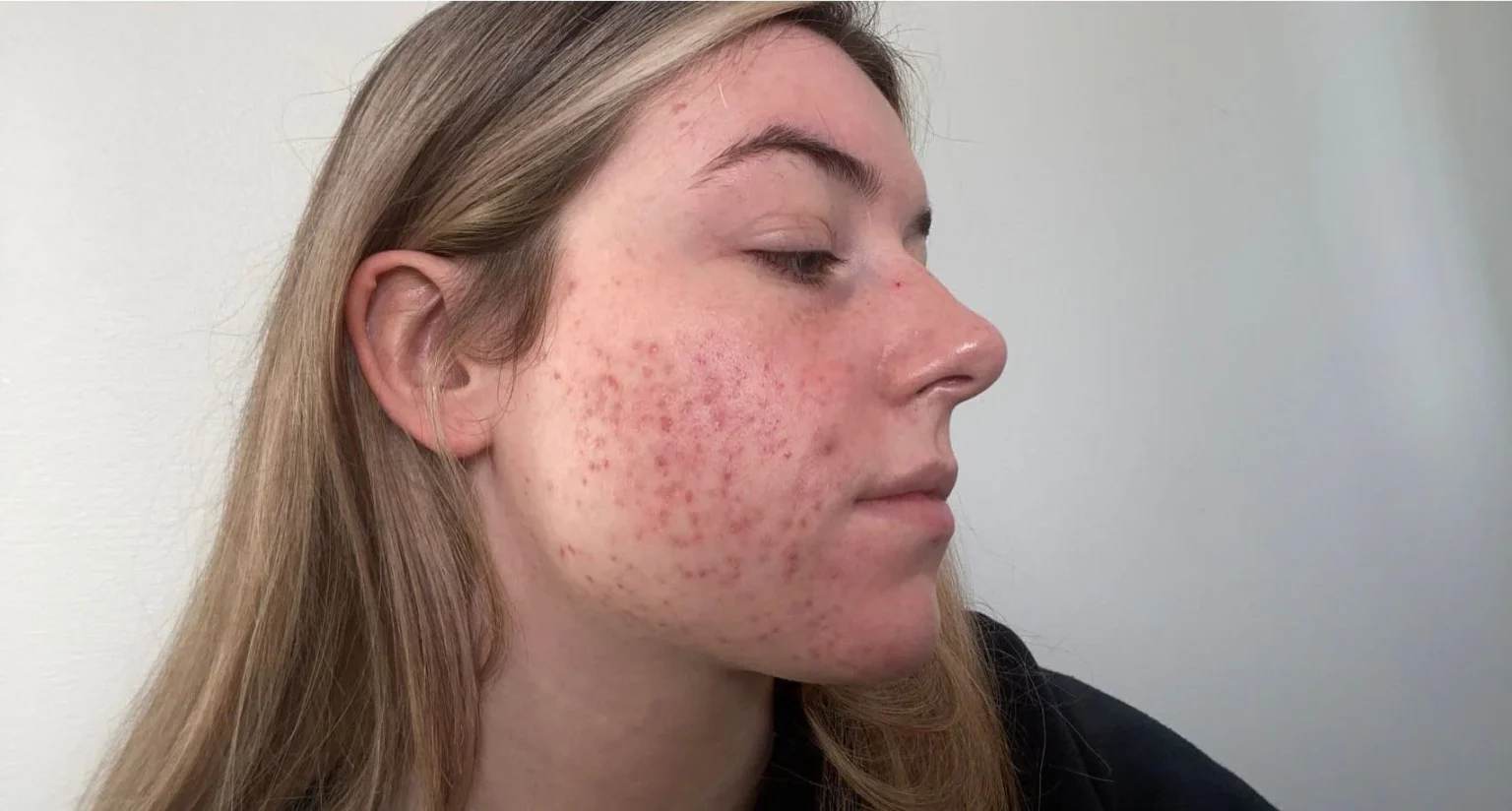
Acne is a skin condition that occurs when hair follicles become clogged with oil and dead skin cells. This blockage leads to the formation of various types of blemishes, and they most commonly appear on the face, neck, chest, back, and shoulders. The condition is not contagious, nor is it caused by poor hygiene.
The condition is most prevalent among teenagers due to hormonal changes associated with puberty, but it can affect people of all ages. While most cases are mild, some individuals experience severe acne that leads to scarring. Proper management helps control outbreaks and minimize long-term effects.
What Causes It?
Four main factors contribute to acne formation, and they are often interconnected. The first is excess sebum production, which is largely driven by androgens, a type of hormone. These hormones increase in both boys and girls during puberty, so the oil glands enlarge and produce more sebum.
The second factor is clogged hair follicles, which are caused by a combination of sebum and dead skin cells. Normally, dead skin cells rise to the surface of the follicle and are shed from the skin, but when there is excess sebum, the cells can stick together and form a plug. This plug traps oil and bacteria within the follicle.
Bacteria also play a role in acne development. Certain types of bacteria live on the skin without causing problems, but when a follicle is clogged, they can multiply rapidly. The final factor is inflammation, which occurs when the body’s immune system responds to the bacterial overgrowth.
What Are Effective Management Strategies?
Managing acne involves a combination of skin care practices and medical treatments, and consistency is key to achieving better results. Topical medications are often the first line of treatment. These help kill bacteria and remove dead skin cells. For more persistent acne, a healthcare provider may prescribe stronger medications.
Topical retinoids help unclog pores, and oral antibiotics can reduce bacteria and fight inflammation. Advanced treatments are available for severe or resistant acne. Light and laser therapies can reduce bacteria that contribute to the condition. A qualified skincare professional performs these procedures.
How Is Professional Guidance Beneficial?
Seeking professional guidance from a dermatologist is recommended for moderate to severe acne. A dermatologist can diagnose the type and severity of your acne, and they will create a treatment plan tailored to your needs. This expertise helps in selecting the most effective treatments while minimizing potential side effects. Following professional advice may lead to better outcomes and reduce the risk of permanent scarring.
Manage Your Acne Today
Acne is a complex skin condition influenced by hormones, oil production, and bacteria. Symptoms range from mild blackheads to severe cysts, and a variety of management strategies are available. From over-the-counter topicals to prescription medications and professional procedures, there are many ways to control breakouts.
If you are struggling with acne, consulting a dermatologist will provide you with a tailored treatment plan. A professional can guide you through the options and help you achieve clearer skin. Begin managing your acne today by seeking professional medical advice.
- Tips for Maintaining Spinal Health Through Chiropractic Care
- How to Choose the Right Sports Medicine Specialist for Your Needs
- The Connection Between Hair Loss Treatment and Overall Scalp Health
- What to Expect in a Session with a PTSD Therapist
- Exploring Ingredients and Formulations in White Label Health and Beauty Products