


Back pain can make it hard to do simple things like work or spend time with family. Many people hope to find relief without surgery, especially if medicines or physical therapy have not helped. Spinal decompression is one option that may ease pressure on the spine and provide relief for herniated discs. Here you can explore some common questions about spinal decompression.
What Is Spinal Decompression?
Spinal decompression is a treatment that gently stretches your back to relieve pain. When your back is stretched, it changes the pressure on the spine and can take pressure off the spinal discs. These discs are soft cushions between the bones in your back. Stretching the spine can sometimes help move bulging or herniated disc material back into place, which eases pressure on nerves. The treatment also helps deliver water, oxygen, and nutrients to the discs, helping them stay healthy.
There are two types of spinal decompression: surgical and non-surgical. Surgical decompression is a big operation done for serious cases, often when other options have not worked. Non-surgical decompression uses a motorized table to stretch the spine in a way that is gentle and not invasive. Your doctor can help you decide which type is best for you.
How Does It Work?
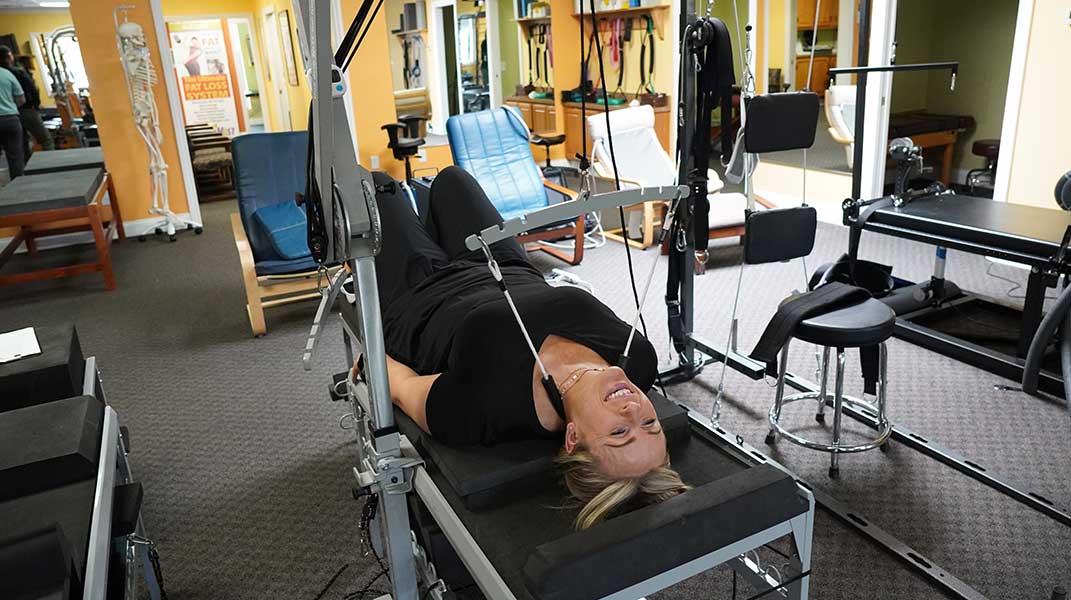
Spinal decompression therapy utilizes a specialized table and computer-controlled traction to stretch the spine. The primary goal is to create a sensation of weightlessness, fostering an environment where spinal discs can heal and recover through the following process:
- Controlled Traction: The table moves the spine through a specific stretch-and-release cycle, creating a negative pressure or vacuum within the discs.
- Disc Retraction: This vacuum effect may encourage bulging or herniated disc material to retract into its proper position, significantly lowering intradiscal pressure.
- Patient Setup: Patients remain fully clothed and are fitted with secure harnesses around the waist and chest before lying on the decompression table.
- Comfortable Experience: A trained technician operates the machine for a session that is generally painless, with many patients finding the process relaxing enough to rest.
Who Can It Help?
Spinal decompression can help with certain back issues, especially when other treatments like chiropractic care or physical therapy haven’t worked. It’s often used for conditions like:
- Bulging or Herniated Discs: Relieves nerve pressure and pain.
- Sciatica: Eases leg pain from pinched nerves.
- Degenerative Disc Disease: Brings nutrients to worn-out discs.
- Posterior Facet Syndrome: Reduces pain in worn spinal joints.
- Injured Nerve Roots: Creates space to relieve nerve pain.
What Should You Expect?
Most people start with several sessions over a few weeks. Each session takes around 30 to 45 minutes. How often you go depends on your symptoms and how you respond. Sometimes, your doctor may add other treatments, like heat, cold, or gentle electrical pulses, to help you feel better.
Other therapies, such as ultrasound or muscle stimulation, may help relax your muscles or reduce swelling. You could feel a little sore after your first visit, similar to muscle soreness after exercise. This is normal and shows your body is getting used to the treatment.
Find Lasting Herniated Disc Relief
For some, spinal decompression can help lessen back pain without needing surgery. By learning how this therapy works and who it fits, you can make better choices for your back and overall health. If you have a herniated disc or similar back issues, talk to a healthcare professional to see if this option might work for you. Getting good advice is the first step toward finding relief.
- Tips for Maintaining Spinal Health Through Chiropractic Care
- How to Choose the Right Sports Medicine Specialist for Your Needs
- The Connection Between Hair Loss Treatment and Overall Scalp Health
- What to Expect in a Session with a PTSD Therapist
- Exploring Ingredients and Formulations in White Label Health and Beauty Products