

Botox, a formulation of botulinum toxin, has gained attention for its effectiveness in preventing chronic migraines. Its journey from a cosmetic treatment to a preventive tool for migraine sufferers is supported by scientific observation and clinical studies. Understanding how Botox for migraines works can help provide clarity for those exploring different options for migraine management. This treatment follows a specific protocol administered by a healthcare professional to reduce the frequency of headache days.
How Does Botox Block Pain?
The science behind Botox for migraines involves its interaction with the nervous system. When injected, the substance works at the junction where nerves and muscles meet. It interferes with the transmission of chemical signals from nerves associated with pain. By blocking these neurotransmitters, Botox prevents the activation of pain networks in the brain.
This process disrupts the cycle of pain that characterizes chronic migraines. Administered at specific sites on the head and neck, it targets nerve endings involved in migraine development, quieting the signals before they can build into a full-blown migraine attack. This preventive action is what differentiates it from acute treatments taken after a migraine has already started.
Which Nerves Are Targeted?
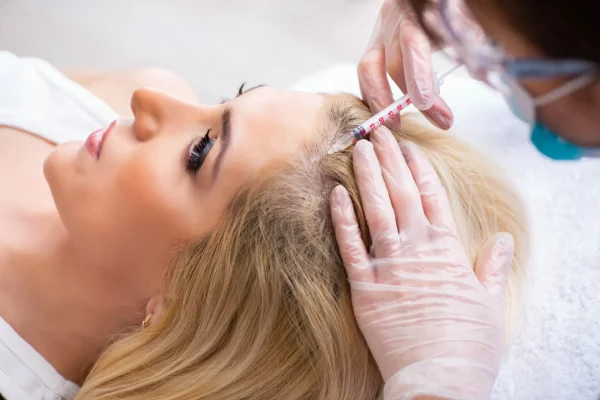
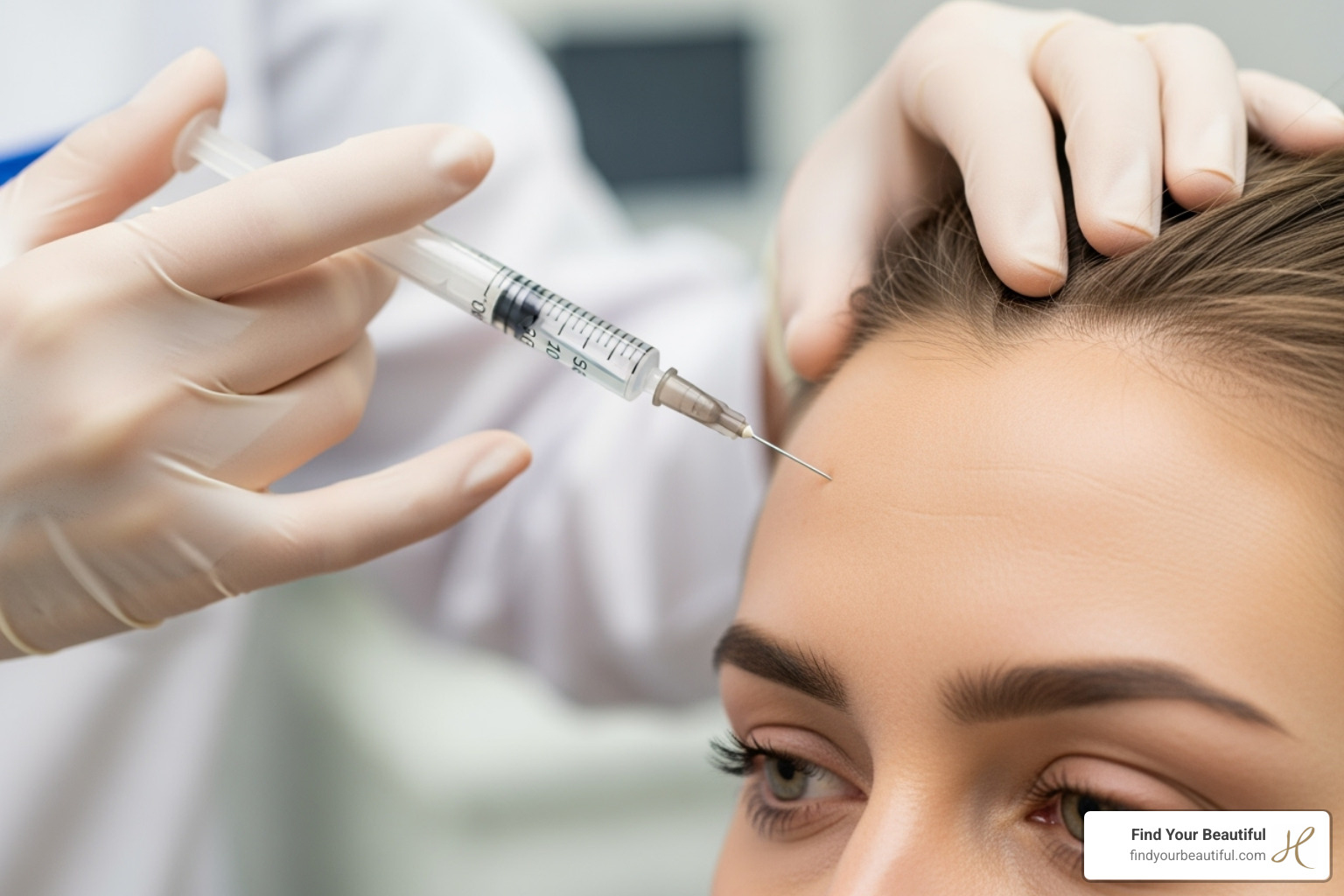
The injection sites for this treatment are carefully chosen to target the peripheral nerves that play a part in migraine pain. A trained healthcare provider administers the injections in small doses to specific muscle areas around the head and neck. This precise placement is key to the treatment’s function.
The standard protocol targets seven key muscle areas where these nerves are located:
- Forehead
- Bridge of the nose
- Temples
- Back of the head
- Neck
- Upper back
These areas correspond to the pathways of sensory nerves that can trigger migraine pain. By administering Botox into these muscles, the treatment aims to intercept pain signals that travel along these nerve fibers. The goal is to reduce the nervous system’s overall excitability, making it less prone to migraine episodes.
When Do Results Appear?
People undergoing Botox treatments for migraines typically follow a set schedule. The injections are usually given every 12 weeks. The full preventive benefits are often observed after the second or third treatment session. Some individuals may notice a reduction in headache frequency after the first set of injections, while others may see the effect build over time.
Following the recommended treatment schedule allows for a consistent level of the substance in the targeted muscle groups. This helps maintain the blockage of pain signals. A patient’s response to the treatment can vary, and tracking headache days in a diary can help you and your provider gauge its effectiveness. The number of treatments needed is a discussion to have with a qualified specialist.
Evaluate Botox for Migraines
Botox for migraines works by blocking pain signals sent from nerves to the brain, targeting specific areas around the head and neck. Results often build over several treatment cycles, which are typically scheduled every 12 weeks. Understanding this process can help you have a more informed discussion with your healthcare provider. If you are exploring options for chronic migraine prevention, speaking with a specialist can help you determine a suitable path forward.
- Tips for Maintaining Spinal Health Through Chiropractic Care
- How to Choose the Right Sports Medicine Specialist for Your Needs
- The Connection Between Hair Loss Treatment and Overall Scalp Health
- What to Expect in a Session with a PTSD Therapist
- Exploring Ingredients and Formulations in White Label Health and Beauty Products