

Neuromodulators are a class of substances used in cosmetic dermatology to address signs of facial aging. These purified proteins work by targeting specific muscles involved in the formation of dynamic wrinkles, which are lines that appear with facial expressions. By temporarily relaxing these muscles, neuromodulators can help soften the appearance of wrinkles, contributing to a smoother and more refreshed facial appearance. Among the most recognized neuromodulators, Botox holds a prominent place in aesthetic medicine. Here’s more information on Botox Treatments:
What Is Botox?
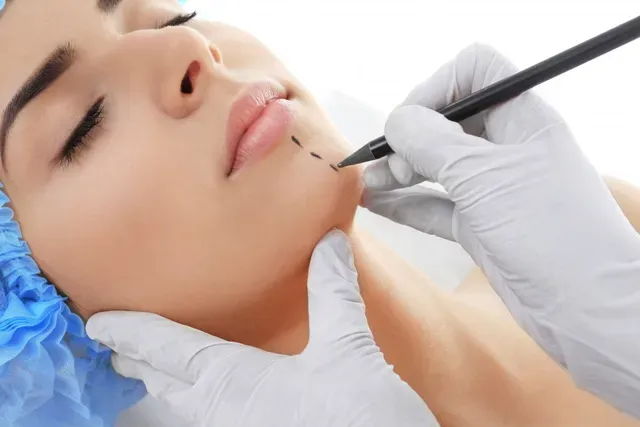
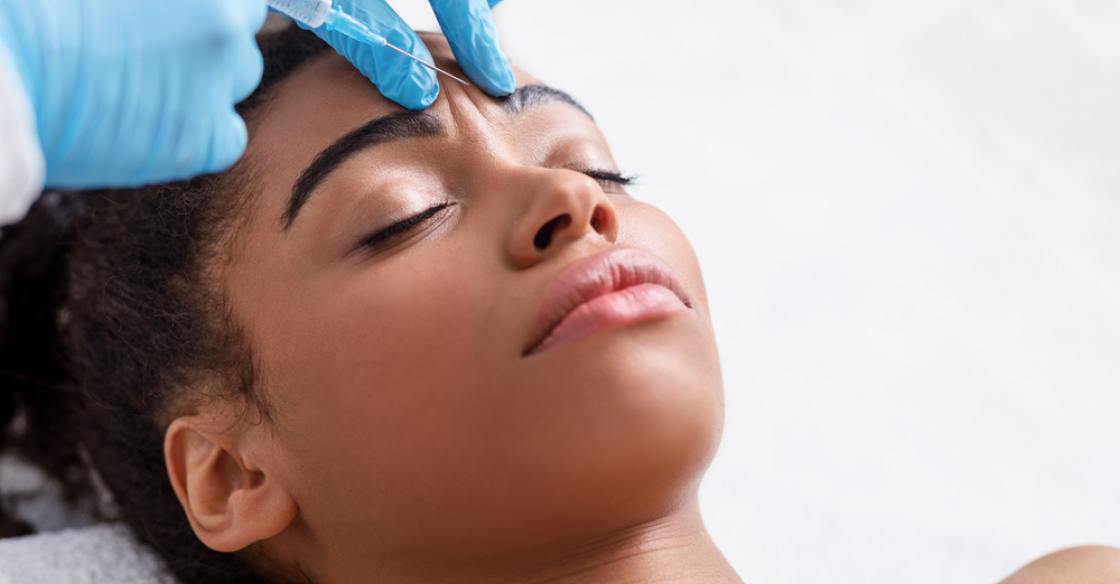
Botox is a specific brand name for a neuromodulator derived from botulinum toxin type A. It is a medicine that is injected into muscles for various cosmetic and medical purposes. In the context of facial aesthetics, Botox injections can temporarily improve the look of moderate to severe frown lines between the eyebrows, crow’s feet lines around the eyes, and forehead lines in adults. Procedures involving Botox are administered by qualified healthcare professionals who are trained in facial anatomy and injection techniques.
Who Is a Good Candidate?
Determining candidacy for Botox involves a consultation with a qualified medical professional. Good candidates are adults who are concerned about the appearance of dynamic wrinkles and are in good overall health. Individuals seeking treatment should know that the results are temporary, but they can last for several months. Pregnant or breastfeeding individuals are typically advised against receiving Botox treatments.
Some benefits of neuromodulator injections include:
- Minimally Invasive Treatments
- Reducing the Appearance of Fine Lines and Wrinkles
- Smoothing Skin Texture for a More Youthful Complexion
- Offering Fast Results
- Minimizing the Formation of New Creases
What Does Botox Do?
The primary function of Botox in cosmetic procedures is to reduce the appearance of wrinkles caused by repeated muscle movements. When injected into specific facial muscles, this neuromodulator works by blocking nerve signals to the targeted muscles, reducing their ability to contract. By relaxing key facial muscles, these treatments allow the overlying skin to appear smoother.
The treatment process does not affect sensation in the skin, as it only impacts the targeted muscles. This means untreated facial muscles should continue to function normally after a treatment session. The effects of a Botox treatment typically become visible within a few days, with full results appearing after about two weeks, and these results can last for several months before muscle activity gradually returns.
Most individuals can resume their normal daily activities immediately following the treatment. Following aftercare guidelines can help minimize potential side effects. Patients should avoid rubbing or massaging the treated areas for at least 12 hours to prevent the neurotoxin from spreading to unintended areas. Strenuous physical activities should be avoided for at least 24 hours. Lying down flat should also be avoided for the first 3-4 hours post-treatment.
Schedule a Botox Appointment
A thorough evaluation by a professional will help confirm if Botox is an appropriate option for your aesthetic goals. Cosmetic consultations offer a personalized assessment of your facial structure and a detailed discussion of your aesthetic objectives. During this meeting, a provider can explain the procedure, answer your questions, and develop a treatment plan. To learn more about neuromodulators, contact a provider to schedule an appointment today.
- Tips for Maintaining Spinal Health Through Chiropractic Care
- How to Choose the Right Sports Medicine Specialist for Your Needs
- The Connection Between Hair Loss Treatment and Overall Scalp Health
- What to Expect in a Session with a PTSD Therapist
- Exploring Ingredients and Formulations in White Label Health and Beauty Products