

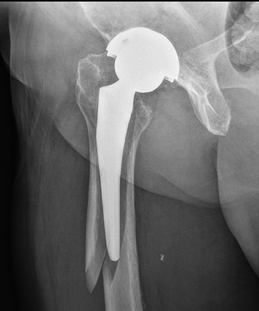

Hip replacement surgery is a medical procedure in which a surgeon removes damaged parts of a hip joint and replaces them with artificial components. Artificial joints are typically constructed from metal, and they are designed to replicate the natural movement of the hip. The goal of this procedure is to address joint damage and help individuals regain mobility when daily life is affected by hip pain. Here are some innovations in hip replacement techniques and materials:
Technology-Assisted Surgery
Surgeons use advanced robotic arms and computer systems to enhance precision during hip replacement operations. During surgery, the robot assists in performing highly accurate cuts and measurements, making sure the implants fit precisely. While the surgeon maintains full control, the robotic system minimizes the risk of human error and increases consistency. Robotic-assisted joint replacement can also result in shorter recovery times and improved patient outcomes. Enhanced precision minimizes damage to surrounding tissues, resulting in less post-operative pain and a faster rehabilitation process.
Patient-Specific Instrumentation
Patient-specific instrumentation is designed to address the unique needs of individuals undergoing hip replacement. Instead of relying on generic tools and templates, this approach involves gathering precise images of a patient’s hip through CT scans or MRIs before the procedure. These images are used to develop 3D-printed guides, which serve as blueprints during surgery, and verify alignment with the patient’s bone structure.
These guides enable the surgical team to make more precise bone cuts and position the implant according to a pre-established plan. Improving accuracy helps make sure the implant fits with your natural anatomy and minimizes damage to surrounding tissue. For patients with complex hip anatomy resulting from developmental differences or previous injuries, this customization helps address challenges that arise when using standard instrumentation.
New Metal Alloys
The selection of materials is a fundamental aspect in the design and long-term performance of hip implants. Developers often prioritize new metal alloys because of their durability and compatibility with the human body. Cobalt-chromium and titanium alloys remain widely used, valued for their strength, ability to resist corrosion, and lightweight properties. Advanced alloys include other metals to further enhance wear resistance and reduce the risk of metal ion release. Titanium-niobium alloys display flexibility and compatibility.
Biocompatible Coatings
Biocompatible coatings are thin layers of material applied to the surface of hip implants that come in contact with bone. Hydroxyapatite is similar in composition to human bone and encourages the body to accept and bond with the artificial joint. This process, called osseointegration, helps stabilize the implant and supports long-term strength at the bone-implant interface.
Other coatings, such as titanium plasma spray, are used to roughen the surface and further enhance the connection between implant and bone. The goal is to create an environment that allows bone tissue to grow safely onto the implant surface. These coatings are particularly relevant for patients who require greater initial stability or have conditions that affect bone health.
Schedule Hip Replacement Today
Advances in technology, instrumentation, and implant materials are shaping the next era of hip replacement. As surgical systems and materials become more refined, patients receive access to a broader range of treatment options. Schedule an appointment today to discuss your hip health with an orthopedic specialist and explore the options available to you.
- Tips for Maintaining Spinal Health Through Chiropractic Care
- How to Choose the Right Sports Medicine Specialist for Your Needs
- The Connection Between Hair Loss Treatment and Overall Scalp Health
- What to Expect in a Session with a PTSD Therapist
- Exploring Ingredients and Formulations in White Label Health and Beauty Products