

Preventive healthcare services aim to maintain well-being and prevent health issues before they arise. Proactive individuals seeking to manage their health can utilize primary care services to address concerns and receive ongoing preventive care. In this setting, a general provider cares for patients, providing continuity of care and guidance on preventive measures. Here is more information about primary and preventative care and how they work:
Primary Care
Primary care offers integrated, accessible healthcare services from clinicians who can address a wide range of personal healthcare needs. These providers develop a sustained partnership with patients and practice in the context of family and community. This model of care is not focused on a specific disease or organ system but on the whole person. The provider may consult on your care across different settings, including specialist referrals and hospital visits.
Primary care includes:
- disease prevention
- health maintenance
- counseling
- patient education
- diagnosis and treatment of acute and chronic illnesses
This type of care is often a person’s first point of entry into the healthcare system. Providers in this field are trained to manage a wide range of health issues and to refer you to a specialist when necessary.
Wellness Visits
A wellness visit is an opportunity for patients and providers to focus on preventative health strategies. Regular wellness visits often center on disease prevention and health risk assessments. During these appointments, your provider MAY review your family and medical history, make recommendations for immunizations, and order baseline laboratory screening as appropriate. Providers CAN also identify lifestyle factors that MAY contribute to future health risks, such as tobacco or alcohol use.
Wellness visits enable the early detection of risk factors or chronic conditions before symptoms appear, allowing for targeted interventions that may help reduce the likelihood of disease progression. These visits also equip patients with guidance on self-care and health monitoring techniques.
Routine Screenings
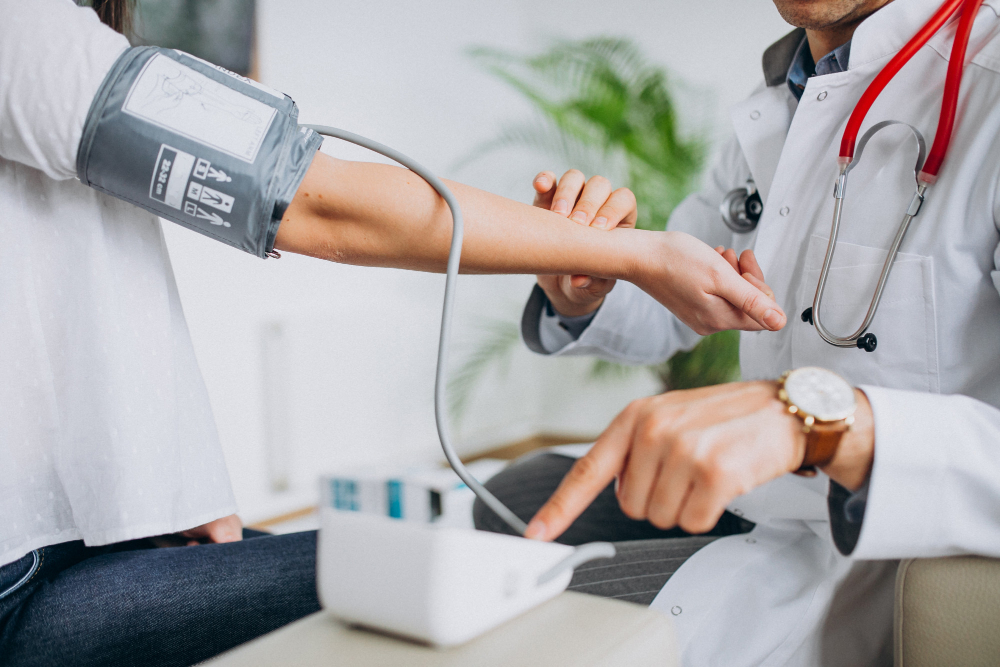
Routine screenings detect potential health issues at an early stage. Many conditions often go unnoticed until they have advanced, so screenings can identify signs before they become more serious. These screenings are based on age, risk factors, and family history, and your provider CAN help determine which are appropriate for you. A provider MAY track screening results over time, and this ongoing record creates a detailed health profile that helps in making treatment decisions. Standard screenings include blood pressure checks and cancer screenings.
The early detection of health conditions, such as high blood pressure, through regular check-ups CAN lead to more effective and less invasive treatment options. Identifying high blood pressure early allows for lifestyle modifications or medication to be implemented, reducing the risk of heart disease.
Learn More About Primary Care
If you are interested in taking a more proactive approach to caring for your health, consult a primary care physician. You can look for providers through insurance directories. Building a relationship with a provider allows for open discussion about your health concerns and goals. Utilizing primary and preventative services can provide you with the information and guidance you need to manage your health effectively in the long term.
- Tips for Maintaining Spinal Health Through Chiropractic Care
- How to Choose the Right Sports Medicine Specialist for Your Needs
- The Connection Between Hair Loss Treatment and Overall Scalp Health
- What to Expect in a Session with a PTSD Therapist
- Exploring Ingredients and Formulations in White Label Health and Beauty Products