

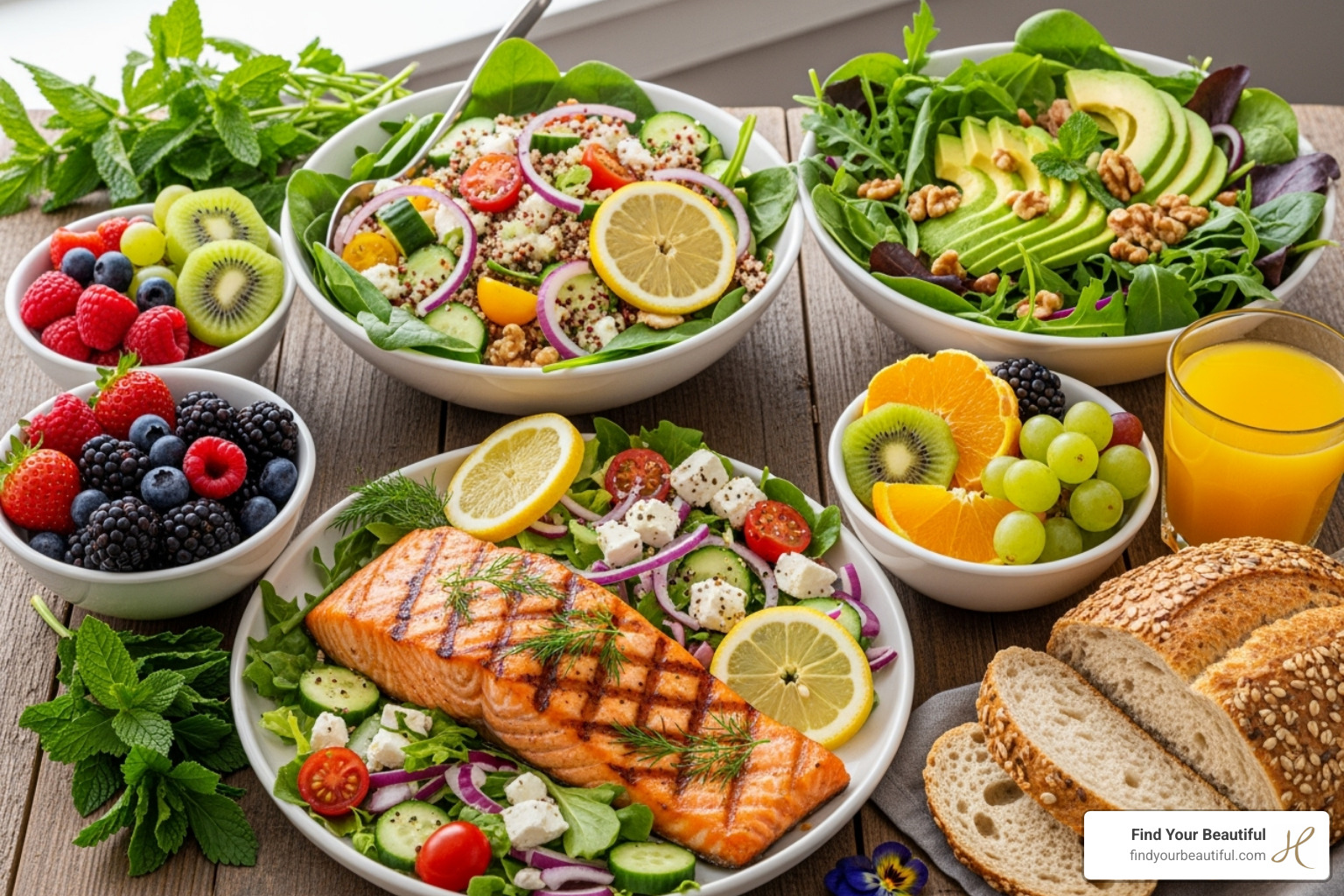

A balanced diet is key to sustainable weight loss. Instead of quick fixes, focus on building long-term healthy eating habits for overall well-being. Diet plays a significant role in managing weight, but any major changes should be made carefully, especially if you have health issues or symptoms such as chest pain.
Focus on Whole Foods
Building your diet around whole foods is a step toward improving your nutritional intake and sustainable weight loss. Whole foods are items that are minimally processed, such as fruits, vegetables, lean proteins, and whole grains. Because they retain their natural nutrient profiles, these foods provide vitamins and minerals without the added sugars and unhealthy fats often found in processed alternatives. Integrating a variety of these foods supports fullness and provides the energy required for daily activities.
Prioritize Consistent Habits
Consistency is more impactful than perfection when developing new dietary patterns for weight loss. Lasting changes are built through small, repeatable actions, focusing on making gradual adjustments that you can maintain over time. Forgetting a healthy meal one day does not negate progress; the key is to return to your plan with the next meal. By establishing a reliable routine, you create a framework for long-term success that becomes a natural part of your lifestyle.
Balance Macronutrient Intake
A balanced intake of macronutrients is fundamental to a healthy diet. A sensible distribution of carbohydrates, proteins, and fats is needed, as each plays a distinct and necessary role in bodily function. Here’s how to achieve a balanced intake:
- Carbohydrates: As your body’s primary source of energy, prioritize complex carbohydrates such as whole grains, legumes, and starchy vegetables. These provide sustained energy and fiber.
- Protein: For muscle repair and growth, protein also significantly contributes to feelings of fullness. Incorporate lean sources, such as poultry, fish, beans, and tofu, into your meals.
- Healthy Fats: For hormone production and nutrient absorption, healthy fats are found in avocados, nuts, seeds, and olive oil. Due to their calorie density, these should be consumed in moderation.
Control Portion Sizes
Understanding and managing portion sizes is a beneficial skill for weight management. Even healthy foods contain calories, and consuming them in excess can impede weight-loss efforts. It is helpful to learn what a standard serving size looks like, and you can use measuring tools initially to develop this awareness. Familiarizing yourself with appropriate portions helps prevent overconsumption. To help visualize appropriate servings, try these common reference points:
- A 3-ounce serving of meat, fish, or poultry is about the size of a deck of cards.
- One cup of fruit or vegetables is roughly the size of a baseball.
- A 1-ounce serving of nuts or seeds is approximately one small handful.
- Two tablespoons of oil or salad dressing is about the size of a ping-pong ball.
Begin Your Weight Loss Plan Today
Creating a balanced diet is a realistic goal that can lead to successful weight loss and improved health. By focusing on whole foods, establishing consistent habits, achieving a balanced macronutrient intake, and practicing portion control, you can establish a solid foundation for sustainable results. This methodical approach emphasizes nourishment over restriction, helping you make informed choices. If you are ready to implement these principles but have health concerns, consult a healthcare professional before making significant dietary changes.
- Tips for Maintaining Spinal Health Through Chiropractic Care
- How to Choose the Right Sports Medicine Specialist for Your Needs
- The Connection Between Hair Loss Treatment and Overall Scalp Health
- What to Expect in a Session with a PTSD Therapist
- Exploring Ingredients and Formulations in White Label Health and Beauty Products